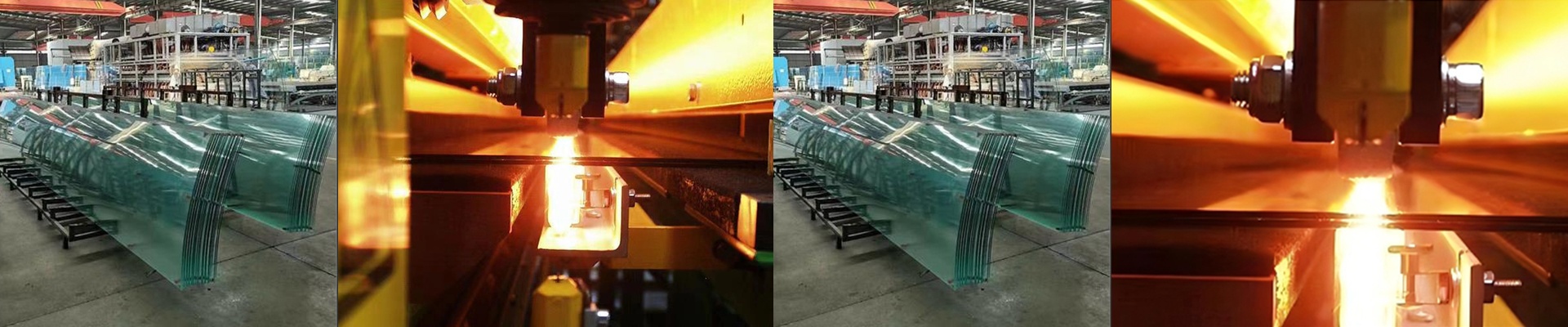

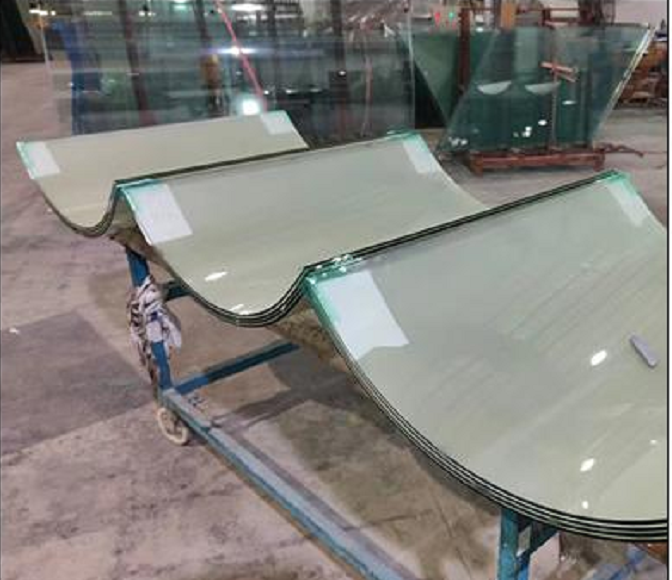
Cutting through ultra-thick glass is a nightmare for your equipment. If you’ve ever tried to score thick, cold glass, you know the feeling—the material just fights the blade. It’s a grind. Your cutting wheels wear out way too fast, or worse, they chip before you’re even halfway through the job. To stop that, we use high-penetration infrared (IR) quartz heaters. Basically, we soften the glass right where the cut needs to happen. Getting the heat where it matters Most heat lamps are just “surface” tools. They warm the top layer, but for thick glass, that doesn’t do much. You need shortwave IR radiation. The cool thing about shortwave energy is that it actually sinks deep into the silica. It creates a little pocket of heat inside the glass. By bumping up the temperature right before the wheel hits, the glass loses some of that stubbornness. It becomes more “plastic,” which means the wheel just glides through. No more fighting the material. Dialing in the power You can’t just use any heater. If it’s underpowered, you’re just warming the surface and your wheels are still taking a beating. We use high power density to make sure the heat hits the core of the glass before it has a chance to drift away. We also use custom quartz tubes. These let us pick the exact wavelength the glass will actually absorb. We focus that energy into a narrow strip that matches the cutting path perfectly. This way, we prime the score line for a clean break without warping the rest of the plate. The catch Now, there is a trade-off. These heaters get incredibly hot. You can’t just bolt them on and forget about them. If your sensors or cooling fans are sitting too close to those quartz tubes, they’re going to fry. You have to be smart about the housing and shield the rest of your machine from all that radiant heat. It’s a balancing act—you need enough heat to make the glass easy to cut, but not so much that you melt your own frame.