
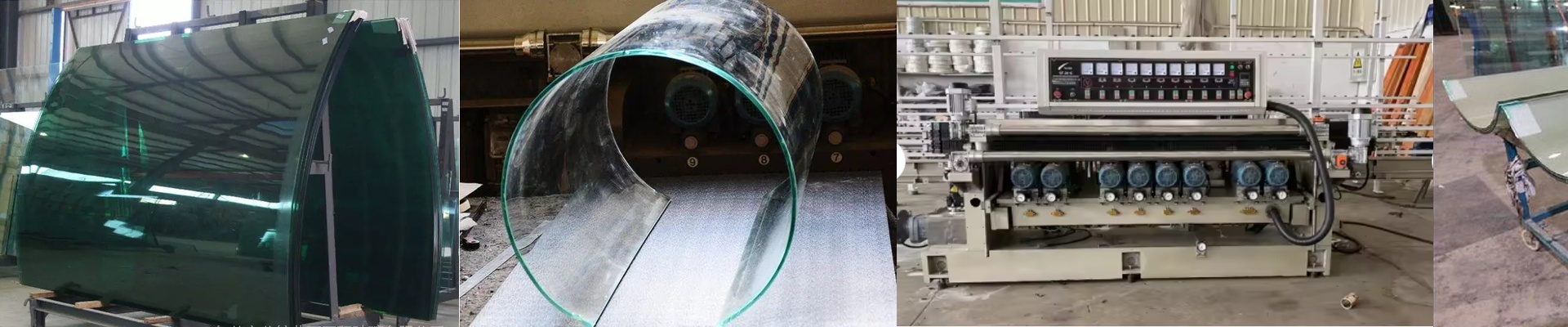
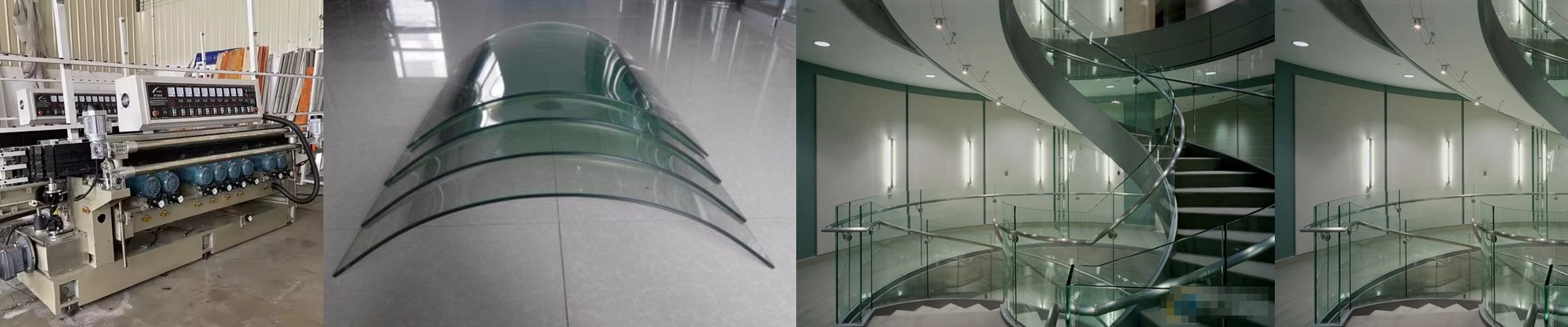

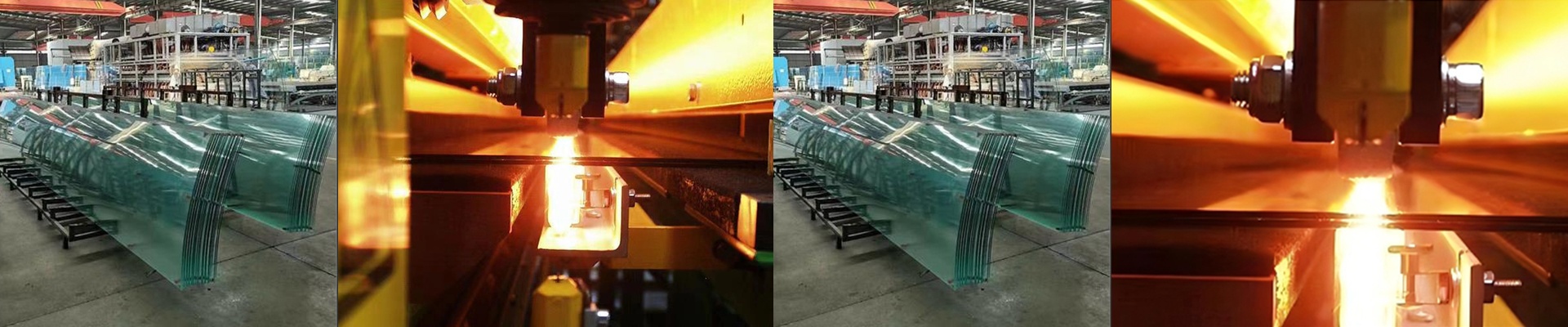
Out on the line, glass doesn’t wait. Heat has to land the same way, every time—no drift, no hot/cold spots. One hot zone during bending and you’re staring at optical distortion. A cold edge during tempering and you’re chasing uneven stress and breakage. We built a controlled glass forming heater to stop that loop. What’s actually under the hood The core is a quartz-based NIR element matched to glass emissivity, putting energy where it counts—fast, directional, and with minimal convection. We set power density and zone layout so the thermal field follows the glass contour, not the heater housing. Uniformity comes from segmented control and tight hot-face tolerances, so temperature tracks the profile across the whole surface. The response is quick enough for index-driven cycles, and stability holds through thousands of heat-cool transitions. The module drops straight into common OEM footprints, with standardized mounting, terminals, and clearances. Why this matters on the floor In tempering, it hits the soak fast and even, so optical quality improves and scrap from thermal stress drops. In hot bending, it rides the mold profile without chasing hot bands, so the curvature repeats piece after piece. For annealing and stress relief, the controlled ramp keeps the lehr curve predictable, cutting down micro-cracks that show up later in cutting or coating. Energy use falls because the heat goes into the glass, not the frame. Uptime improves too—fewer temperature swings mean fewer process alarms and less unplanned maintenance. A few practical notes Installation comes down to clean electrical contacts and proper insulation spacing. Mismatched wiring or blocked airflow will create hot spots and shorten service life. Expect slightly higher inrush current on cold start, so confirm your supply and contactor rating. You still need to match the controller profile to your glass thickness and coating emissivity—this heater gives precision, but the process still has to be tuned. Run it within the rated window, and you get repeatable forming, tighter stress control, and fewer line stoppages.