
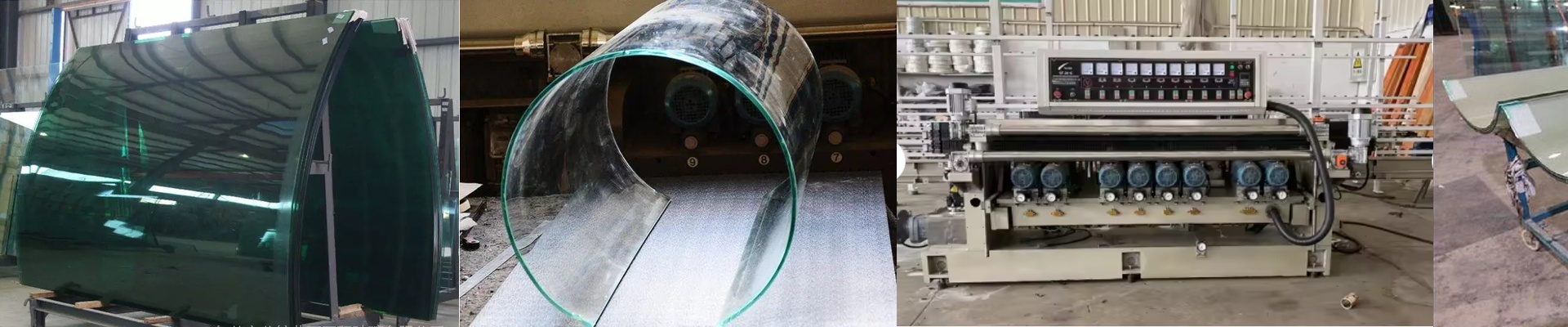

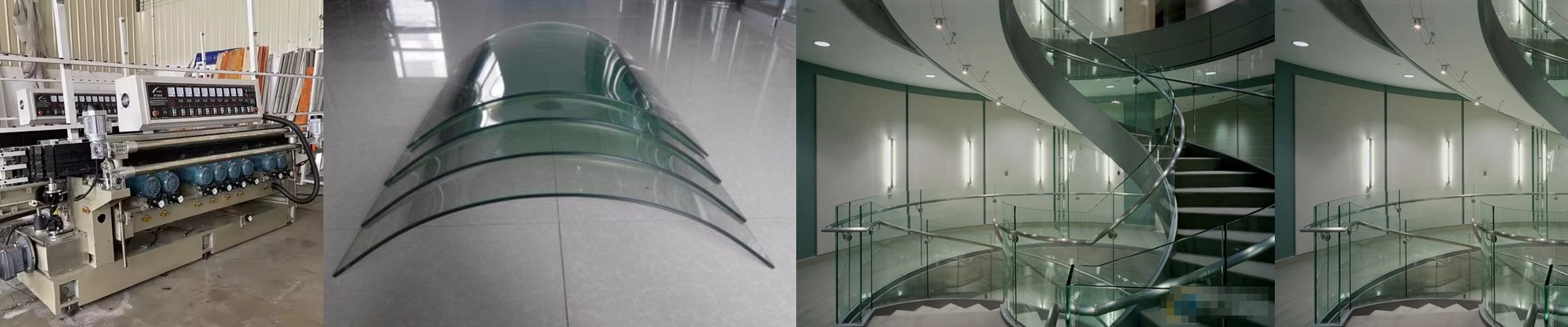
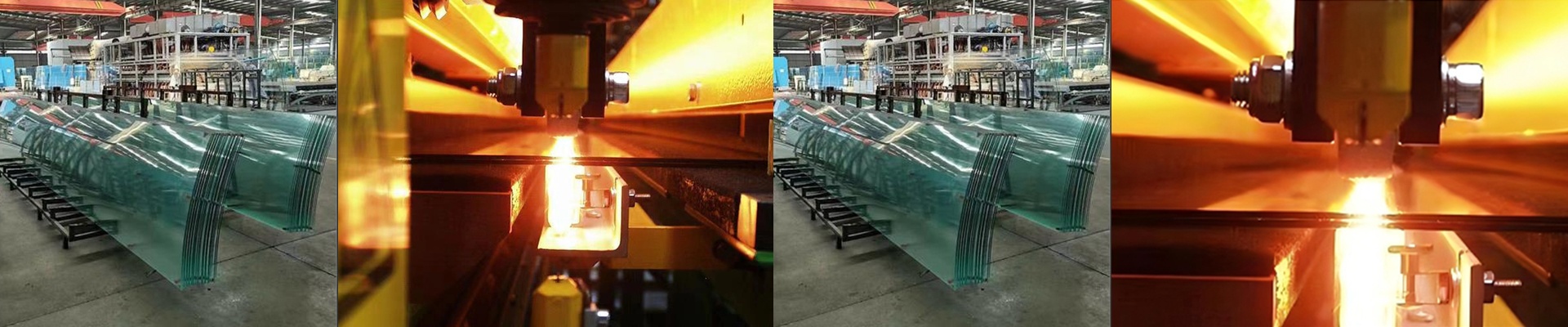
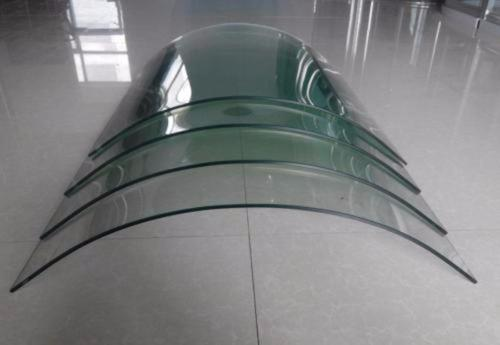
Out on the line, glass that cracks from thermal stress or cures unevenly isn’t just scrap. It’s downtime, it’s material, and it’s margin bleeding away. The continuous annealing heater is what holds the thermal profile steady — and when that profile drifts, you pay for it in rework and unplanned stops. What matters, technically We build the continuous annealing heater around controlled radiant heat using quartz elements, chosen because they respond quickly and hold temperature tightly across the glass path. The heater body is laid out to keep the thermal field even, so you don’t get hot and cold pockets that can set stress into the glass during bending, tempering, coating drying, lamination, or insulating glass sealing. Power, zone control, and the overall output are matched to line speed and glass thickness, so the glass stays inside the required soak and cooling envelope. In practice, that translates to repeatable annealing, consistent curing, and fewer micro-cracks that show up later as field failures. Why it fits real production This heater is meant for continuous processing — glass moving steadily through the furnace section without the thermal shock of stop-start runs. In bending and tempering, it keeps the preheat and transition zones stable, so the bend repeats part after part. For coating drying, it delivers fast, even heat that pulls solvents out without leaving pinholes. For EVA/SGP/PVB lamination and insulating glass sealing, it holds the cure window that gives you strong adhesion and clean edges. The payoff is higher throughput with fewer interruptions, lower rejects, and an energy draw you can plan around. Here are the shop-floor details Installation is straightforward on standard conveyor widths, but you have to match the heater to the line’s voltage, clearance, and airflow pattern. Radiant heat works best when the glass emissivity is consistent; heavily reflective low-E coatings change heat uptake, so zone settings may need a quick tune-up. Build in routine element inspections and keep spare mounting hardware close. When the line is running, downtime costs by the minute.