Stop the Shatter: Handling Thermal Shock with Quartz IR Lamps
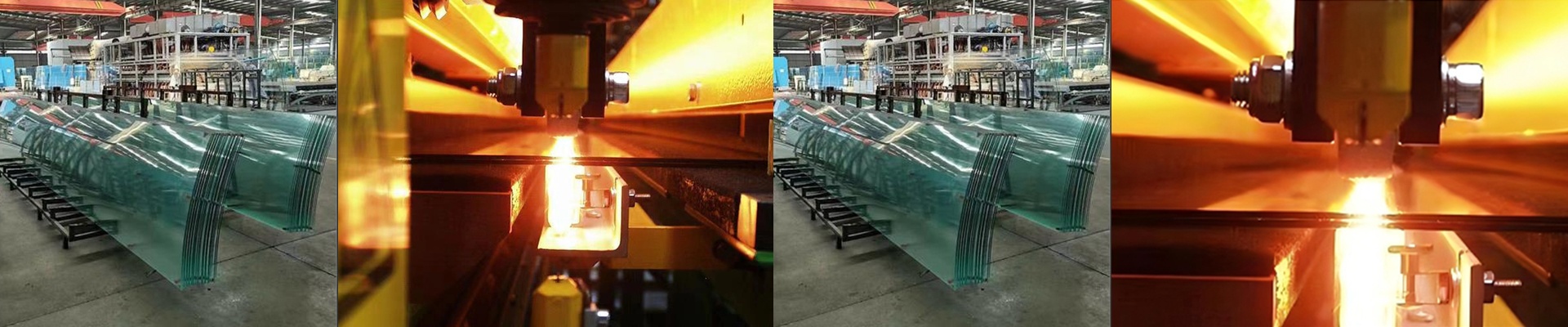
Working with glass is a bit of a tightrope walk. You need heat, but if you push it too hard or too fast, everything just… pops. One second you’re on track, and the next you’re cleaning up a thousand shards. That’s why we use short-wave quartz lamps for instant tempering. The goal is simple: get the glass through that danger zone of temperature without triggering a thermal shock that ruins the piece. The magic of a fast response Think of these infrared lamps as high-density heat engines. They don’t work like your oven at home, where you’re just waiting for hot air to move around. These tubes blast energy via radiation. The best part? They have almost zero “thermal inertia.” When you dial back the power using a thyristor or SCR controller, the heat drops off immediately. You aren’t sitting there waiting for a heavy metal element to cool down. You’re controlling the actual flow of photons in real-time. It’s like having a dimmer switch for heat, which lets you tweak the curve on the fly so the glass doesn’t crack. Picking the right gear To make this work, you need high-purity fused quartz. It’s the only way to handle those wild temperature swings without the tube warping. Depending on how your line is set up, we usually go with R7s or Sk15 connectors. You want a tight fit here. If the connection is loose, you’ll get arcing under high current, and that’s a headache nobody wants. One word of caution: watch your wattage. A high-wattage tube puts out a massive amount of heat, but it’s a heavy lift for your power supply. If you’re pushing over 2000W per tube, make sure your wiring and cooling fans are beefy enough to handle the heat buildup around the housing. Real talk from the shop floor Once these are wired into your tempering line, they basically act as a thermal brake. You can adjust the power cycles to soften the glass just enough to shape it, while keeping the internal stress low. It’s always a bit of a trade-off. Sure, cranking the power speeds up your production line, but if your airflow isn’t dialed in, you’re risking a burnout. And here is a pro tip:**keep those quartz tubes spotless.**A single fingerprint or a smudge of oil creates a hot spot. And a hot spot is the fastest way to pop a tube.