Introduction
We built our infrared heaters for one reason: to cure the delicate coatings on high-performance Low-E glass. It’s a job that demands speed and control—heating things up fast, but never pushing the film past its breaking point. Think millisecond reaction times. Think a clean, focused energy that leaves the film perfectly untouched.
Technical Deep-Dive
When you’re working with Low-E coatings, you can’t just throw heat at the problem. You need to hit the right spot, at the right time, with the right amount of energy. That’s why we use a high-power, shortwave infrared lamp. It delivers a concentrated blast of heat that gets the job done. The 400V electrical setup is there for a reason—it gives us the watt density we need to ramp up the temperature almost instantly. And that speed? It’s everything. It means your heating zone keeps up with the fast pace of modern glass coating lines. Here’s the thing about that millisecond response time—it’s not just a number on a spec sheet. It’s the difference between a perfect film and a whole batch that’s ruined. Traditional convection ovens just can’t keep up. They heat things slowly and unevenly, which opens the door to oxidation. Our infrared system is different. It puts the heat exactly where it’s needed, exactly when it’s needed. No fuss. No waste.
Material & Design
The heart of the system is a shortwave halogen infrared lamp. The halogen cycle keeps the filament stable, so the output stays consistent, hour after hour, for thousands of hours. We chose a quartz envelope because it can handle sudden temperature swings and lets the infrared energy pass through cleanly. The quartz also has a special reflective coating. It focuses all that energy forward, protects the internal parts, and keeps stray heat from reaching the film and causing oxidation. And the R7s connector? It’s a proven industrial standard for a reason. It gives you solid, two-point contact that can handle high current and the constant vibration of a production line.
Application & Benefits
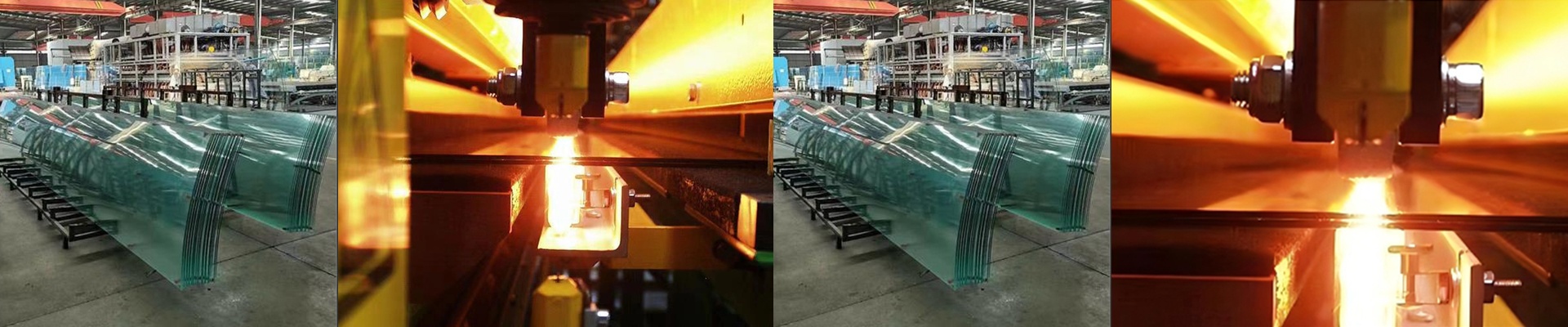
On the factory floor, this heater slides right into your existing curing zone. No overhaul needed. It cures the film so quickly that the glass just keeps moving. No waiting around. The focused heat also means the film spends less time exposed to oxygen at peak temperature. So you get a clean, stable coating without the oxidation. Now, there is a trade-off. A 400V, high-wattage lamp puts out a lot of local heat. So you’ve got to make sure your machine’s cooling and thermal management are up to the task. But when you get the whole system balanced, it’s a beautiful thing. You get a process that’s repeatable, a film that’s stable, and a line that moves faster with far fewer rejects.