Dealing with those annoying cold spots in glass annealing
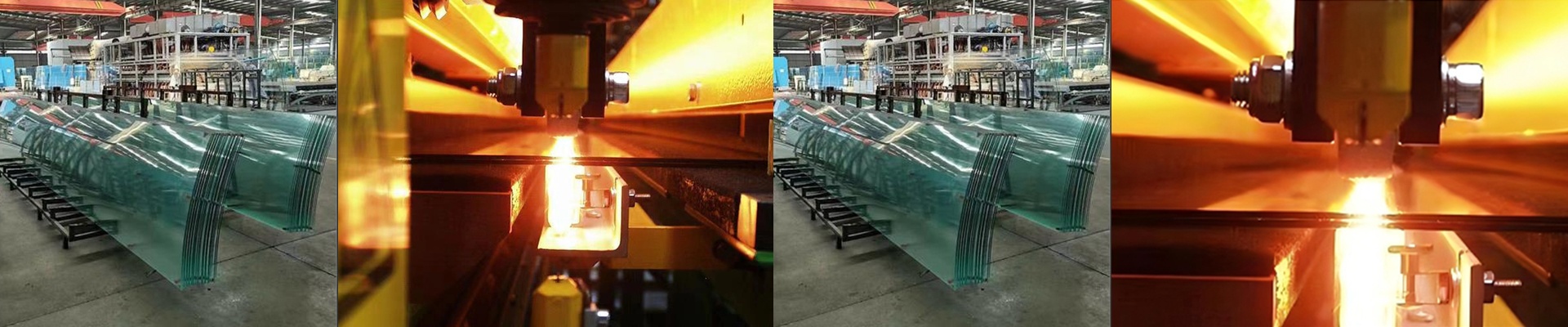
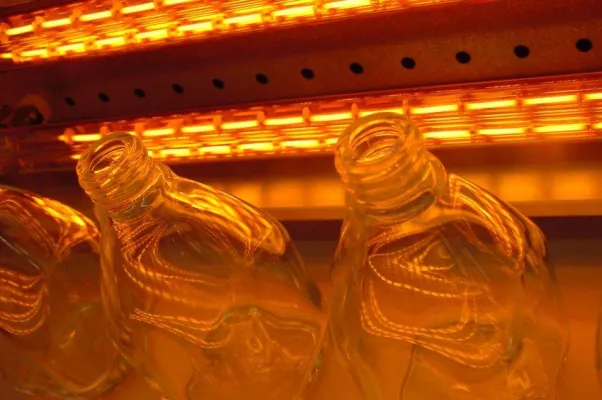
If you’ve ever worked with complex glass shapes, you know the frustration. You pull a piece out of the oven, thinking it’s perfect, only to find it cracked because some weird corner or narrow neck didn’t get enough heat. We call these “thermal dead zones.” Basically, the shape of the glass blocks the hot air, leaving you with internal stress and a lot of wasted material. Standard convection ovens just can’t reach those hidden gaps. That’s where infrared (IR) lamps come in. Instead of relying on air, we use direct radiation to hit those cold spots head-on. How it actually works Think of it like sunlight. Air-based heating is like a warm breeze; it’s nice, but it doesn’t always get everywhere. IR lamps, on the other hand, send out electromagnetic waves that can actually penetrate the gaps in a complex vessel. By surrounding your piece with shortwave or medium-wave quartz tubes, you’re essentially wrapping it in a blanket of heat. It means the deep bases and skinny necks get up to temperature without you having to blast the rest of the piece into oblivion. The nitty-gritty on gear We usually go with high-purity quartz tubes. Why? Because they can handle the shock of being turned on and off rapidly without snapping. Depending on how much room you have in your chamber, you’ll need to pick your wattage carefully. If space is tight, go for a higher wattage density. It lets you use fewer lamps while still getting the heat you need. One quick tip: if you’re swapping out old elements for these,**double-check your wiring.**These high-wattage tubes pull a lot of current. If your wires are too thin, they’ll fry. It’s a simple mistake, but a painful one. The trade-offs The best part about IR? It’s instant. You flip a switch and you’re at temp in seconds. No waiting around for a giant box of air to heat up. But there is a catch: line-of-sight. If the lamp can’t “see” the glass, it can’t heat it. To get around this, don’t just use one or two lamps. Build a multi-angle array. It kills the shadows and ensures every curve is covered. Just keep in mind that more lamps mean more heat soaking into the kiln housing. Make sure your fans and insulation are up to the task, or you’ll be dealing with a whole new set of problems.