Why You Should Be Preheating Your Glass Before Cutting
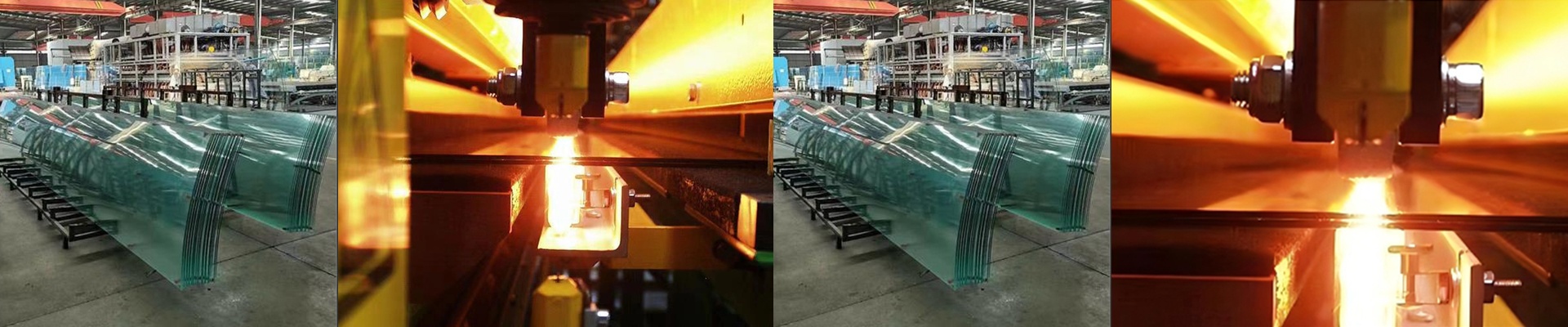
Cutting cold glass is basically a gamble. You’ve seen it happen: the diamond wheel hits the surface, and suddenly you’ve got “chipping” or “shelling” all along the edges. It’s frustrating, it wastes material, and it looks sloppy. The fix is actually pretty simple: infrared (IR) preheating lamps. You just warm up the glass right before the cutter makes its move.
How it actually works
Think of it as relaxing the glass. Infrared waves dive into the surface and get the molecules vibrating, which makes the material less brittle. When the glass hits that sweet spot in temperature, the surface tension drops. Now, the cutting wheel can create a clean, controlled fracture instead of a chaotic one. If you skip this, the energy from the cut just bounces around unevenly. That’s exactly where those jagged, ugly chips come from.
Picking the right lamps
If you’re running a CNC line, go withshort-wave IR lamps. They heat things up instantly. Long-wave heaters are just too sluggish for a moving gantry—by the time they get the glass warm, the cutter has already passed by. But you have to be careful with the power. If the wattage is too low, the glass stays cold and you’re back to squaring off with chips. But if you crank the wattage too high without speeding up your line, you risk thermal shock. It’s all about finding that balance between how much power you’re pumping out and how fast the glass is moving.
The messy reality of maintenance
Here’s the thing: these lamps live in a rough neighborhood. Between the glass dust and the coolant spray, those quartz tubes get coated in grime fast. Once that happens, the heat can’t get through, and your output tanks. You’ve got to keep them clean. Period. And one more tip: these lamps put out a ton of ambient heat. If your CNC enclosure isn’t vented properly, you’re basically building an oven for your electronics. Make sure your cooling fans can actually handle the load, or you’ll be replacing circuit boards a lot sooner than you’d like.