
Getting the Voltage Right for Glass Cutting Heaters
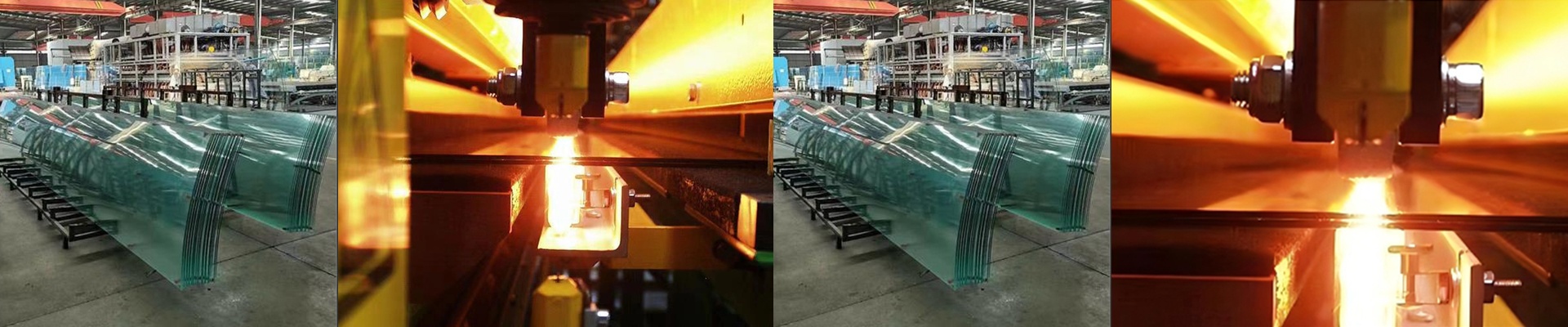
Cutting safety glass is all about that perfect hit of thermal stress. You want a clean break, not a shattered mess. We use shortwave infrared lamps to get the job done, but here’s where things get tricky: the power. If you take a machine built for a 110V North American shop and plug it into a 575V Canadian industrial line or a European 400V system, it’s game over. The machine will fry instantly. How we handle the gap Most people just throw in a generic transformer, but those things are bulky and hog all the space in your control cabinet. We do things differently. We actually customize the filament and the quartz envelope to match your specific power grid. Whether you’re running a small bench at 110V or a massive industrial line at 480V or 575V, we tweak the internal resistance of the lamp. It means your heater hits the right temperature without tripping every breaker in the building. The trade-offs you should know about High-voltage tubes (480V and up) are great because they pack more wattage into a smaller space. You get a lot more heat density per inch. But there’s a catch. These lamps run much hotter at the terminals. You’ve got to make sure your wiring and connectors can actually handle that heat, or you’ll end up with melted insulation. And if you’re pushing 575V, don’t skimp on the cooling fans. If they aren’t spec’d right, your lamp housing will warp. Just plug and play We build these to be simple drop-in replacements. We match the length and the connectors to exactly what you’re already using, so you don’t have to spend your weekend rewiring the entire machine. Plus, we provide global standard adapters. This means you can ship your gear anywhere in the world without worrying if the local grid is going to toast your heating elements. Just tell us what voltage you’re working with, and we’ll build a lamp that can handle it.