
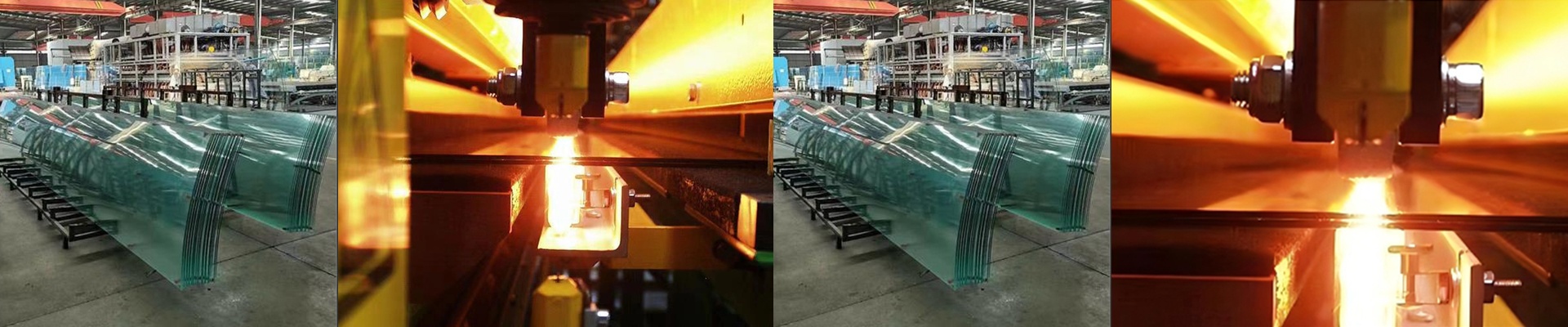

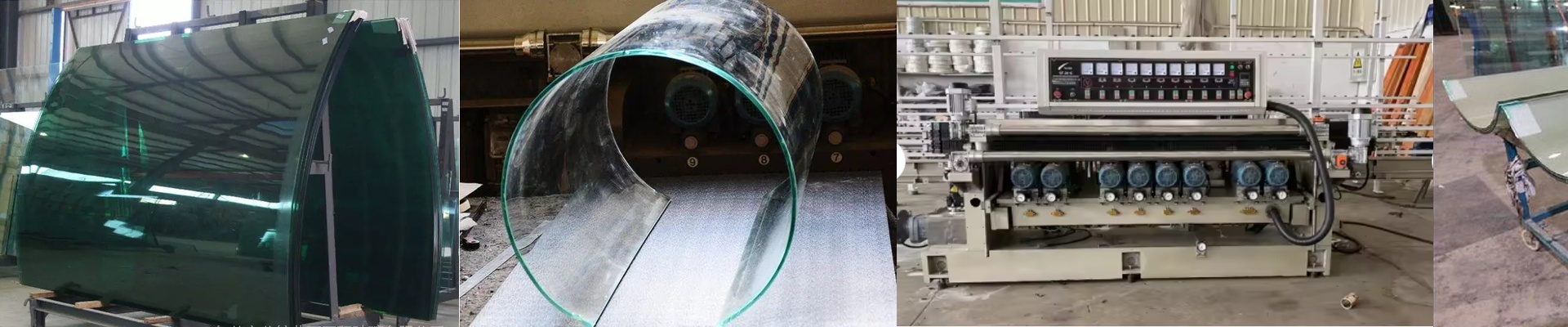
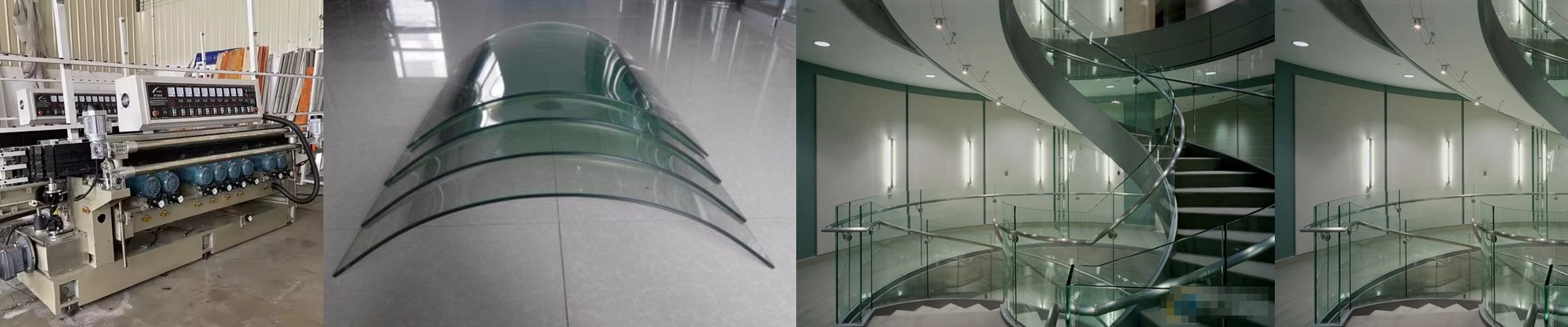
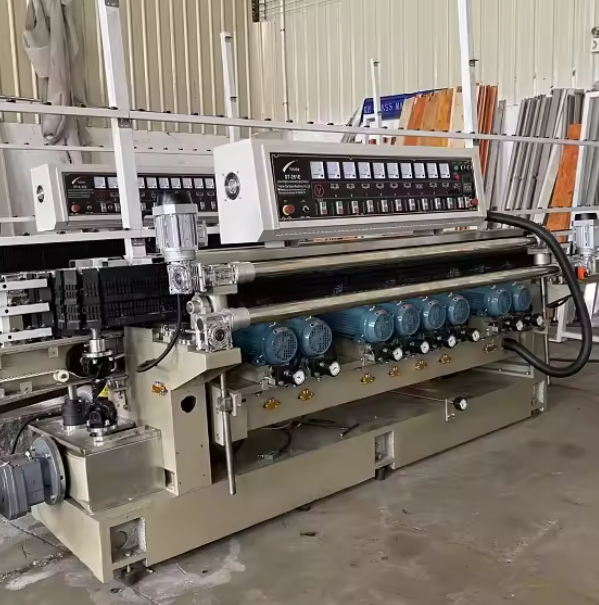
On the line, nobody cares how hard the heater is working. They care about uptime, yield, and cycle times that repeat day after day. Sapphire glass makes every thermal step unforgiving—high hardness, low tolerance for thermal shock, and a surface that shows you every hot spot. If the heater isn’t pulling its weight, you see it fast: micro-cracks after heating, bending profiles that drift, and coating defects that only show up later. We built the Sapphire glass processing heater for that reality. It’s meant to deliver stable, controllable heat inside the tight windows required for sapphire cutting, edge grinding, annealing, and coating or lamination support—while dropping into existing equipment with minimal rework.
What matters, technically
It’s not about “hot.” It’s about predictable heat distribution and control you can count on. In sapphire processing, a small drift in temperature uniformity can turn into a measurable jump in scrap. We use short-wave infrared (IR) quartz heating elements because they respond quickly to setpoint changes and deliver direct radiant energy with minimal convective disturbance. That matters when your process is sensitive to air movement and thermal gradients. The quartz envelope also holds up in high-temperature runs and avoids the contamination issues that can degrade performance in other industrial heating setups. The engineering choices are practical ones:
- **Fast response, stable control:**Short-wave IR heats up and cools down fast, so the control loop can keep the thermal profile on target during cycle transitions.
- **Targeted uniformity:**The heater is laid out to give a more uniform thermal field across the active zone. With sapphire, that means fewer local hot/cold spots that drive stress.
- **Industrial power fit:**Spec’d for standard industrial voltages, with power matched to typical sapphire processing zones—enough output to keep cycles moving, without oversizing that wastes energy and complicates thermal management.
- **Clean integration:**Dimensions and mounting are planned for drop-in replacement. Electrical terminations and connector options are chosen to match common machine interfaces, so the swap doesn’t become a custom job. This isn’t a “better heater” in marketing terms. It’s a heater that behaves like a predictable process variable.
Why this works in sapphire
Sapphire glass processing is a chain of thermal sensitivities. Heat is used to relax stress after cutting, support forming or bending, and drive out moisture and outgassing before coating or lamination. When the heater is inconsistent, the downstream stations pay for it.
Yield starts with thermal control
Sapphire is hard, but it doesn’t forgive thermal shock. Overshoot in the heating profile can give you micro-fractures that aren’t visible until the part hits the next station. A sluggish profile drags out cycle time and drifts into dimensional variance. The short-wave IR approach cuts the lag between command and response, so temperature follows the recipe more closely. In practice, that means fewer stress-induced failures and part-to-part behavior that stays consistent.
Throughput depends on repeatable cycle time
In a production shop, cycle time is a budget. A slow heat-up stretches it. A heater that forces conservative setpoints just to avoid risk stretches it even more. This unit is built to reach and hold process temperatures quickly, and to support rapid transitions between steps. That keeps the station moving and reduces the time each piece spends in the thermal zone—important when thermal exposure has to be managed tightly.
Energy cost is part of the process, not an afterthought
Industrial heating is one of the biggest energy draws on the floor. If the heater is inefficient, you pay twice: in electricity and in the headache of managing waste heat. Short-wave IR puts heat directly on the target with minimal heating of the surrounding air, which improves energy efficiency. Less wasted heat also makes it easier to keep ambient conditions stable around the machine—helping consistency at adjacent stations.
Drop-in replacement keeps retooling off the schedule
The most expensive downtime is the kind you didn’t plan. If your existing equipment is mechanically sound, you don’t want to scrap it just to change the heating module. We design the heater as a compatible replacement. Mounting geometry and interface points are matched to common glass machinery configurations, so the swap is straightforward with minimal modification.
What you need to know up front
No industrial heater is truly “install-and-forget,” even when integration is clean. There are real constraints you should plan around.
- **Clearance and line-of-sight matter.**Radiant heating performs best when the active zone has a clear view of the element. Block the path with fixtures or shielding, and you’ll get shadows and gradients. Layout the station so the heater can “see” the work area.
- **Reflectors and insulation shape the profile.**The reflector assembly and any insulation around the heater define the thermal field. Change those components, and you change the profile. For repeatable results, keep the reflector geometry and insulation as specified.
- **Thermal mass changes tuning.**If you’re moving from a heavier thermal mass heater to a faster-response design, the control tuning may need adjustment. Expect a short commissioning period to lock the recipe in.
- Compatibility means matching the interface.“Drop-in” still means matching voltage, power, connectors, mounting, and control interface. Give us your machine model and the existing heater specs, and we’ll supply the matching configuration. If the existing control strategy is different, we work within the machine’s constraints instead of forcing a control overhaul. If your plant runs sapphire glass and the heating step is a bottleneck—or even a quiet scrap generator—treat the heater like a process instrument, not a commodity. The right thermal platform keeps the line moving, protects yield, and lowers the operating cost baked into every cycle. When it’s time to replace a unit or upgrade a line, start with the machine and the process window. We’ll match the heater to the interface and the recipe, and you’ll see the difference where it shows up: uptime, repeatability, and scrap rate.