
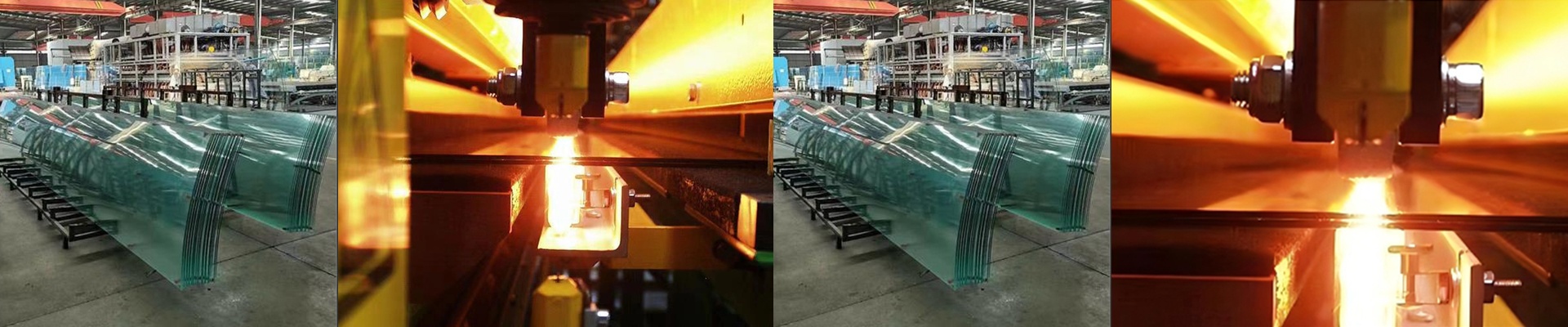

Stop Fighting Your Glass Inspection Lines
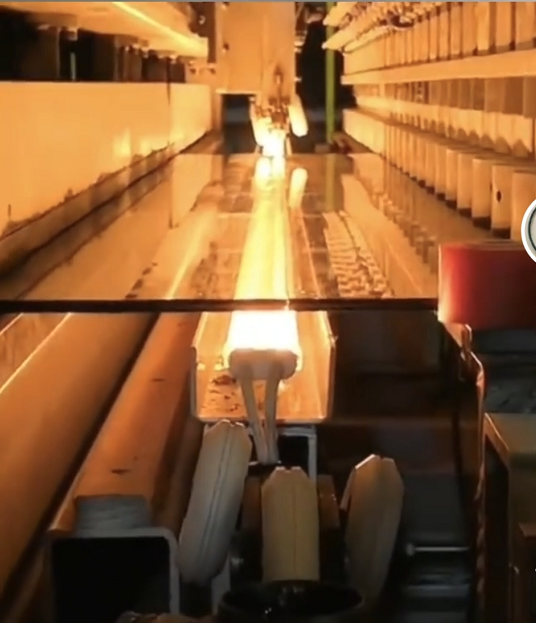
Ever notice how one batch of glass containers comes out perfect, but the next one is a nightmare? Usually, it comes down to thermal drift. When your infrared (IR) heating array isn’t perfectly synced, you get these annoying “cold spots.” It sounds minor, but it’s a killer. Those spots create uneven stress in the glass, and that’s exactly why your bottles are cracking during shipping or failing pressure tests. It’s frustrating, and it’s expensive. The secret is in the wattage. Here’s the thing: if your IR lamps vary by even 5%, your surface temperatures start jumping around. That’s why we obsess over the tiny details—like how the filament is wound and the purity of the quartz. When every lamp in the bank puts out the exact same amount of heat, you get a uniform “heat curtain.” No more guessing. No more spending your afternoon tweaking the conveyor speed just to make up for a few dying lamps. It just works. Getting the heat right We stick with shortwave IR because it hits the glass fast and deep. To keep them from burning out under heavy loads, we use high-purity quartz envelopes. We also designed them to fit tightly together, so you can pack them in without them fighting each other for space. But a quick heads-up: watch your power supply. These lamps are thirsty. If your voltage drops across a long busbar, the lamps at the end of the line are going to slack off. I always suggest dedicated power feeds. It’s the only way to keep the heat steady across the whole tunnel. The catch Now, there’s a trade-off. When you push for this kind of heat density, things get hot. Really hot. While your glass quality will stabilize, your sockets and wiring are going to feel the burn. You can’t ignore the airflow here. Make sure your cooling fans and vents are up to the task, or you’ll end up melting your housing or killing your filaments way too early.