
Stopping Glass from Cracking: The Secret is in the Power
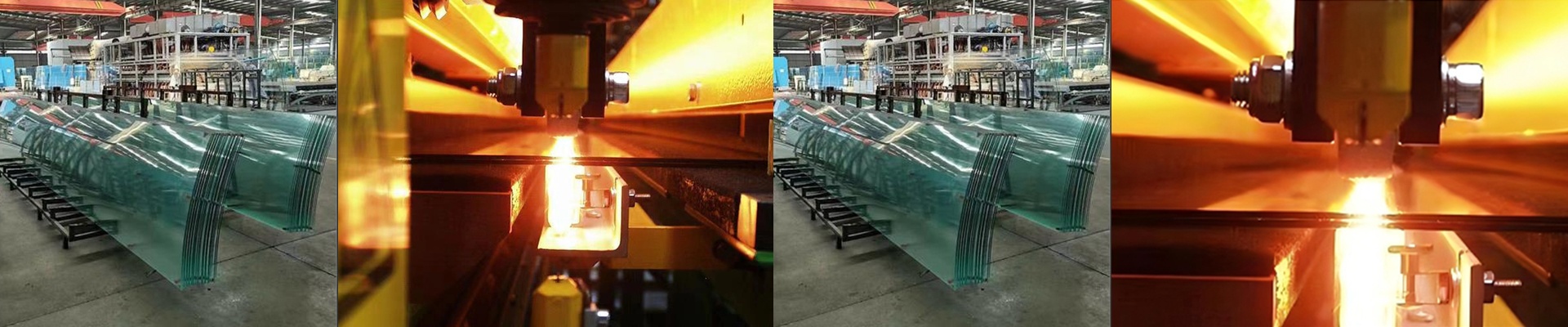
If you’ve ever worked with glass, you know the nightmare of a sudden crack. You’re right there, everything looks fine, and then—snap. Usually, it’s because the temperature jumped or dropped too fast. That’s thermal shock, and it’s the enemy of any good bending process. To fight this, we use shortwave IR lamps. Why? Because they don’t mess around. They react almost the second you tell them to. Speed is everything Think about those old-school resistive heating elements. They’re slow. They take forever to warm up and even longer to cool down. IR lamps are different. They deliver energy at the speed of light. When you tweak the voltage or adjust your SCR, the heat hitting the glass drops instantly. It’s a huge advantage. You can shave off a few degrees in milliseconds, which keeps the glass from accidentally blasting past its softening point. It gives you a level of control that just feels… safer. The gear you actually need We usually go with quartz-halogen tubes. The halogen cycle is great because it stops the tungsten filament from evaporating, so your lamps don’t turn black and lose their punch over time. But here’s the catch: high power in a small space creates a lot of heat. If you aren’t careful, the ends of the lamps will take a beating. Make sure your sockets—whether you’re using R7s or something more industrial—can actually handle the heat. Otherwise, you’re just going to end up with a melted housing and a lot of swearing. Making it work on the floor You can’t just flip an ON/OFF switch and hope for the best. You’ll need a PID loop and a power supply that can switch fast. When you’re wiring things up, take a second to look at your lamp placement. You want the heat to be totally even. If you have “cold spots,” you’re creating temperature gaps across the glass, and that’s a one-way ticket to a shattered part. One last thing: if you crank up the wattage to get your glass hot faster, remember that your cooling fans have to work harder. Keep an eye on your furnace chassis so the whole thing doesn’t overheat while you’re chasing a faster ramp-up.