

Stop Your Thick Glass From Popping
If you’ve ever spent hours prepping a piece of thick, lab-grade glass only to have it spontaneously shatter during the final cut, you know exactly how frustrating it is. It’s a nightmare. That “stress popping” happens because of thermal gradients. Basically, the glass cools unevenly, internal stress builds up, and then—snap. We’ve found that the secret to stopping this is keeping the glass in a very specific temperature window. We use infrared elements that stay accurate within 0.1°C. It sounds like a tiny margin, but it’s the difference between a perfect part and a pile of shards.
Why 0.1°C Actually Matters
Most heaters swing too much. A jump of 2°C or 5°C might not seem like a big deal on paper, but with thick borosilicate or quartz, it’s a problem. It causes the glass to expand unevenly. The real danger is when the “skin” of the glass cools down faster than the core. By locking the temperature in at a 0.1°C tolerance, we let the molecules settle comfortably. No tension, no hidden stress, no surprises.
The Gear You’ll Need (and the Catch)
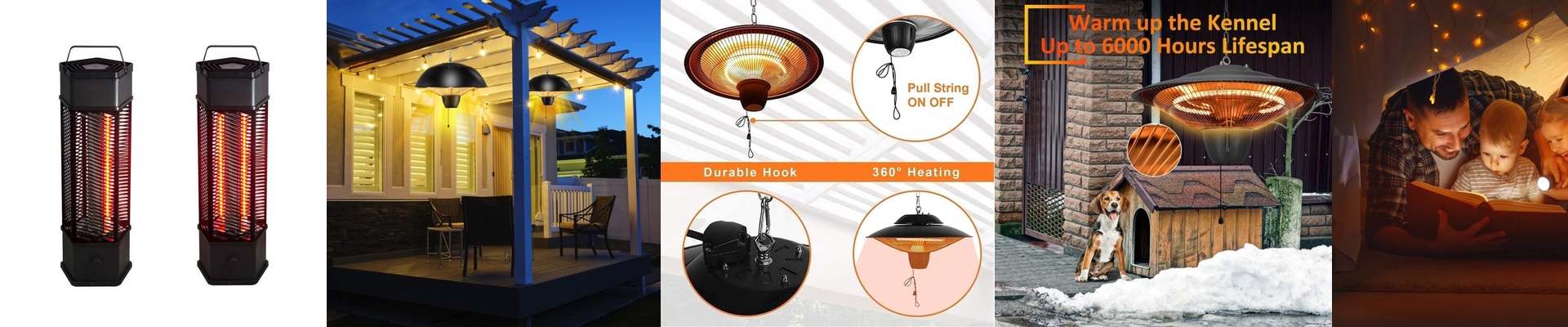
You can’t just plug in any old heater and expect this to work. You need short-wave infrared emitters and high-speed PID controllers. These things react instantly, which is exactly what you need for this kind of precision. But here’s the thing: there’s a trade-off. These IR lamps run hot. They put a massive load on your power supply. If you don’t get your wiring and cooling fans right, the heat soak will cause the controller to drift. Once that happens, your 0.1°C accuracy goes right out the window.
Making it Work on the Shop Floor
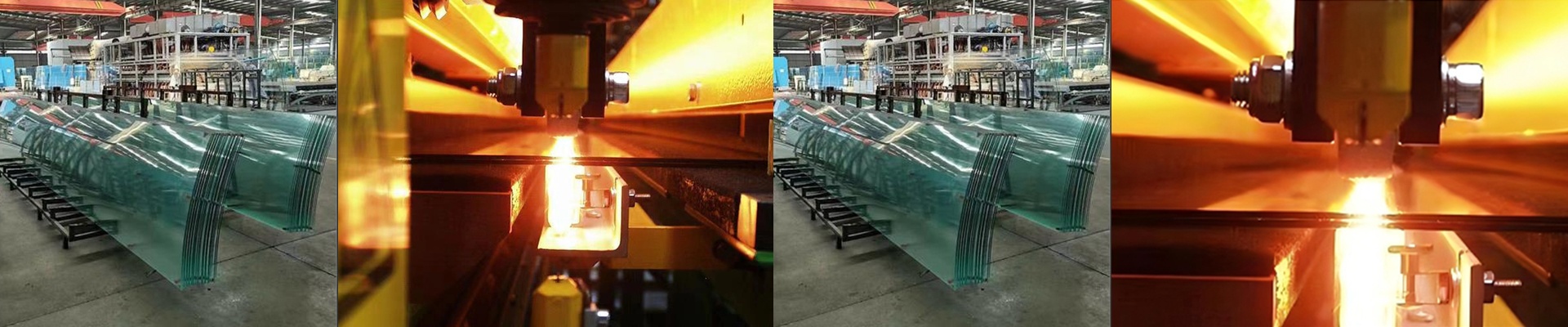
When you’re wiring these into a preheater, your main goal is a uniform heat soak before you even touch the glass. The distance is everything. If the lamp is too close, you’ll get hot spots. Too far, and the ramp-up takes forever, which kills your productivity. Find that sweet spot. Keep your sensors calibrated. When you get this right, you can stop wasting hours in a traditional annealing oven. You get a clean, stress-free cut and a finished part that won’t explode the moment it hits a vacuum or high heat.