Why Your Bathroom Heater Keeps Dying (and How to Fix It)
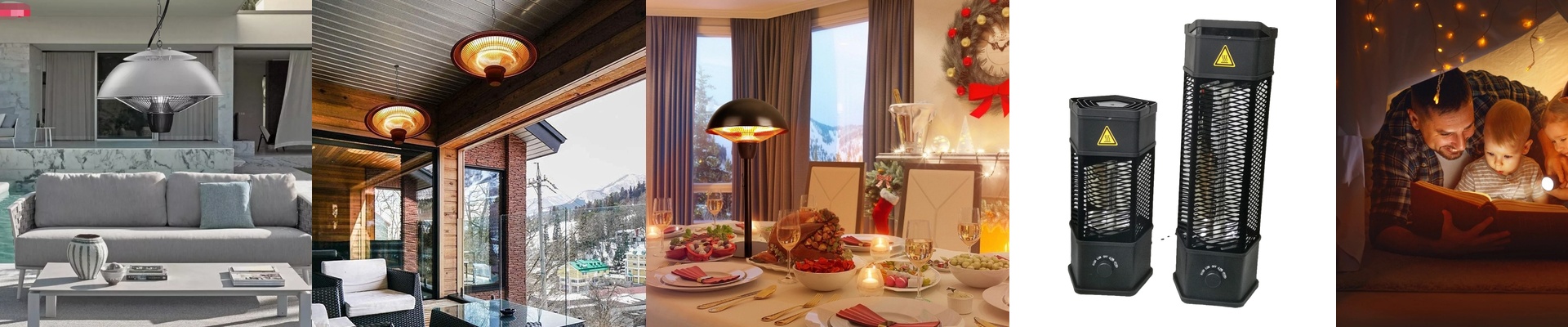
We’ve all been there. You step out of a hot shower, dripping wet, and the second you hit the air, you shiver. Most of those old-school bathroom heat lamps are pretty useless. They struggle with the steam, the circuitry fries, and you’re left standing in a cold room. That’s why more people are switching to high-IP infrared heaters. They’re built for the chaos of a shower environment. The deal with IP ratings Here is the thing about bathrooms: they are brutal on electronics. You’ve got direct splashes and thick clouds of steam everywhere. A basic heater just isn’t built for that. When you see a “high IP rating,” it basically means the heating elements and wires are sealed tight. No water gets in. No short circuits. No rusty contacts. It’s the difference between a heater that lasts for years and one that dies in two months. Forget warming the air Most heaters try to warm up the air in the room. But air moves. The moment you open the door or a draft hits, that warmth is gone. Infrared is different. It feels more like standing in the sun. It sends warmth directly to your skin and the floor. You don’t have to wait for the whole room to heat up—you feel it the instant you turn it on. It’s a much better way to start your morning. A few things to keep in mind You can’t just plug these into a random wall outlet. They pull a lot of power, so you’ll need a dedicated circuit. If you try to shortcut this, you’re probably just going to trip your breaker. Also, because the heat is so concentrated, the fixtures have to be tough. You want materials that won’t warp or bend after being heated and cooled a thousand times. One last tip: if you’re putting these in a tiny shower stall, be careful. It can get hot. Really hot. To keep it from feeling like a sauna, make sure you’ve got a good exhaust fan running. It keeps the temperature balanced so you stay comfortable without overheating.