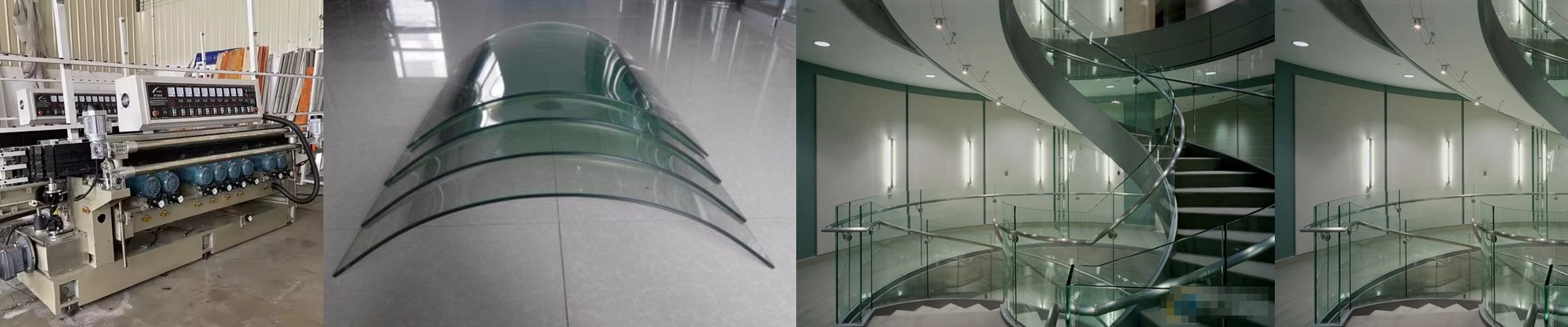
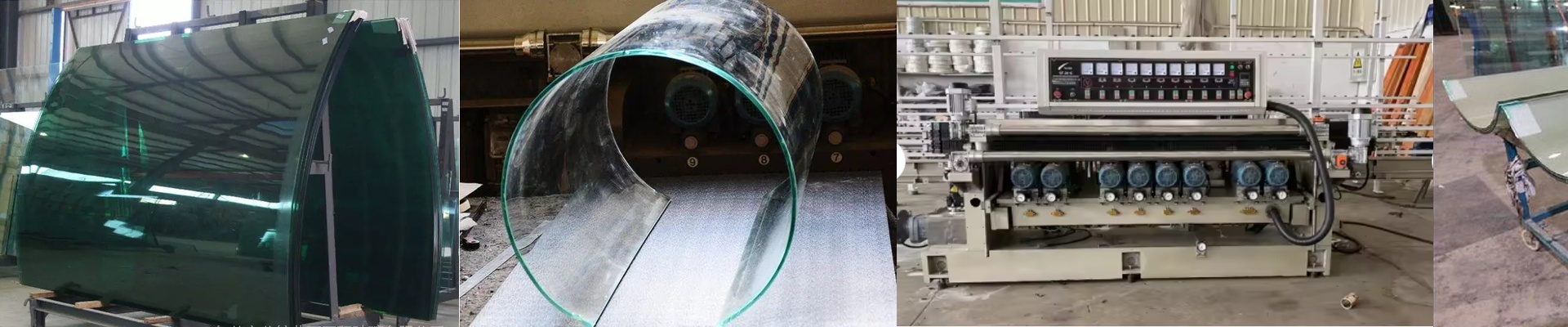
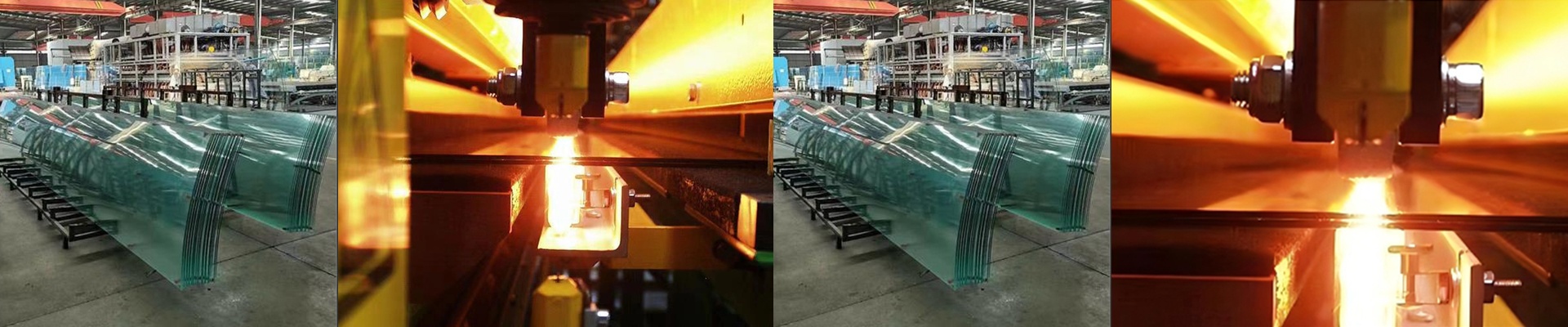
On the glass line, that hairline crack after scoring isn’t bad luck. It’s thermal stress you don’t see until it eats your yield. When you cut thick glass or coated stacks with uneven heat, the edge goes brittle and the whole sheet ends up in the scrap bin. You have to keep the temperature gradient tight so the score line breaks clean—no propagating fractures. What matters, technically We set the heating module up with short-wave quartz emitters because they respond fast and hold control. They run at 1.5–3.0 kW/m² with a 1:1 power-to-area ratio, so the thermal field follows the score line geometry instead of washing over it. Temperature repeats within ±2°C at the glass surface, and the zone hits operating point in under 12 seconds. It’s not about throwing power at the glass; it’s about matching emissivity and limiting convection drift so the heat lands exactly where and when you need it. Why it holds up in production In real runs, that control cuts down rejects from micro-fractures and edge chipping—especially on tempered, coated, or laminated stacks. The cycle is short and the profile stays stable, so throughput keeps moving without waiting around for the glass to equalize. Energy use drops because the module heats on demand and idles clean. You get fewer unplanned stops, and cut quality stays repeatable shift after shift. Things to keep straight The module retrofits onto most cutting tables, but clearance around the score head matters. Keep the emitter window clean and double-check alignment—even a small offset spreads the thermal field and invites stress. With very low-emissivity coatings, dial the power density carefully to avoid overshoot. And control ambient dust; quartz does the work, but particulates on the envelope will throw off the profile.