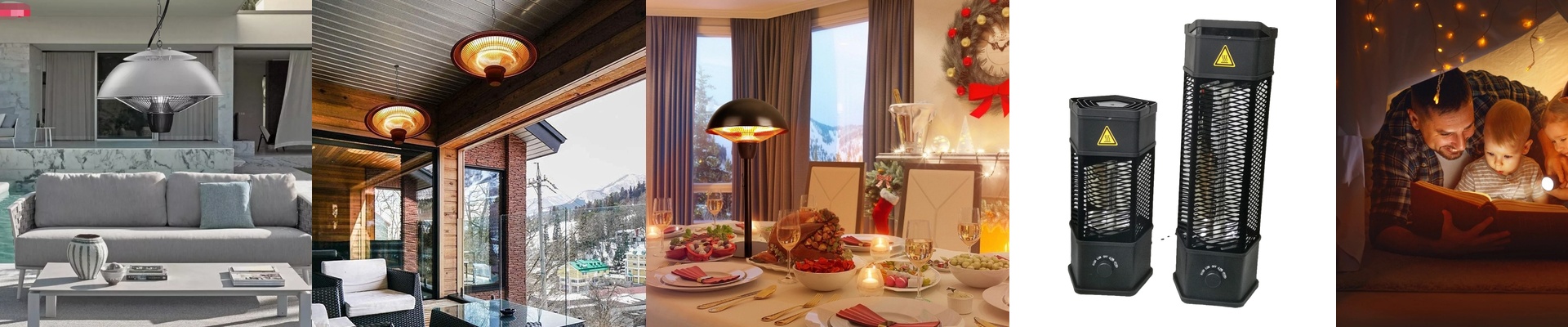
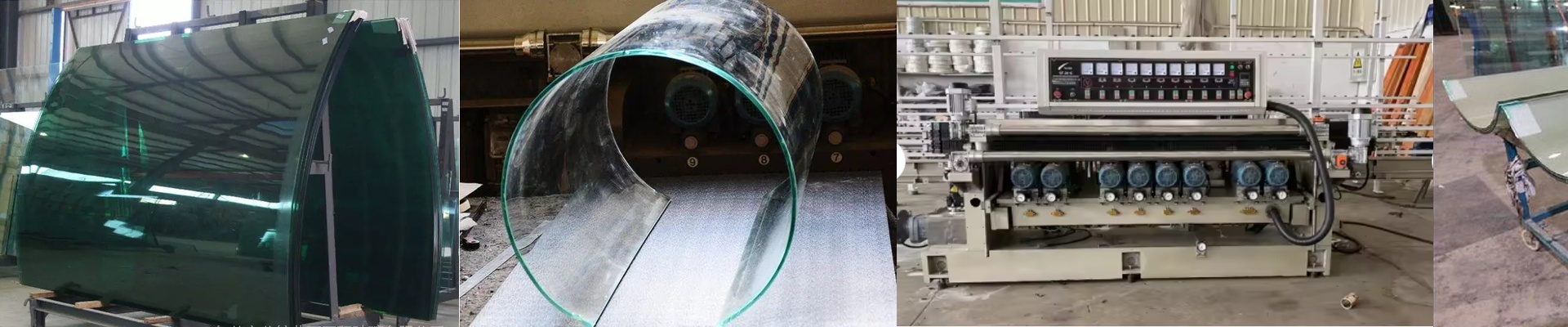
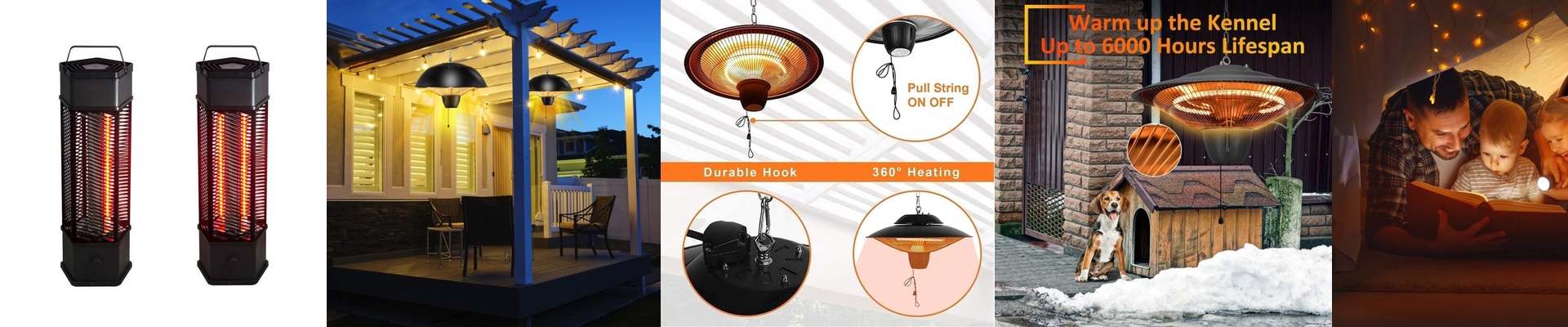
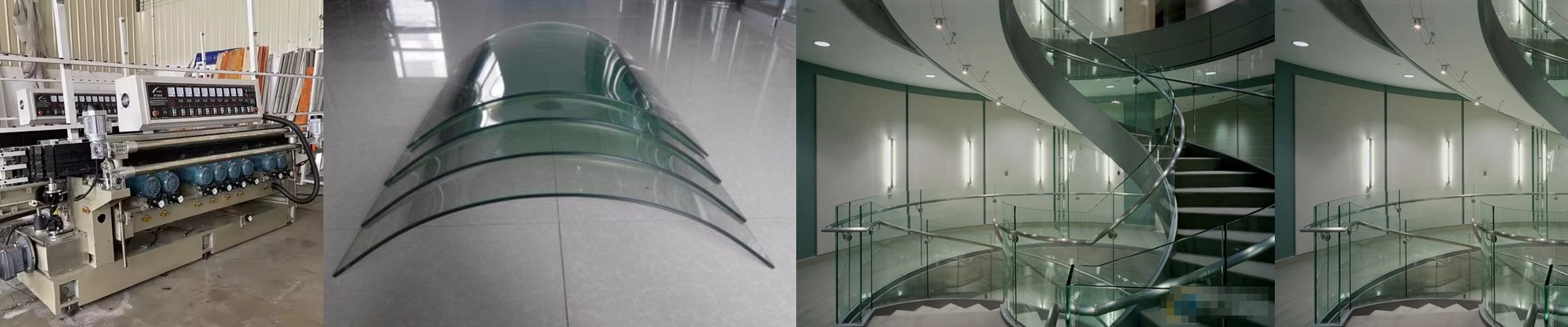
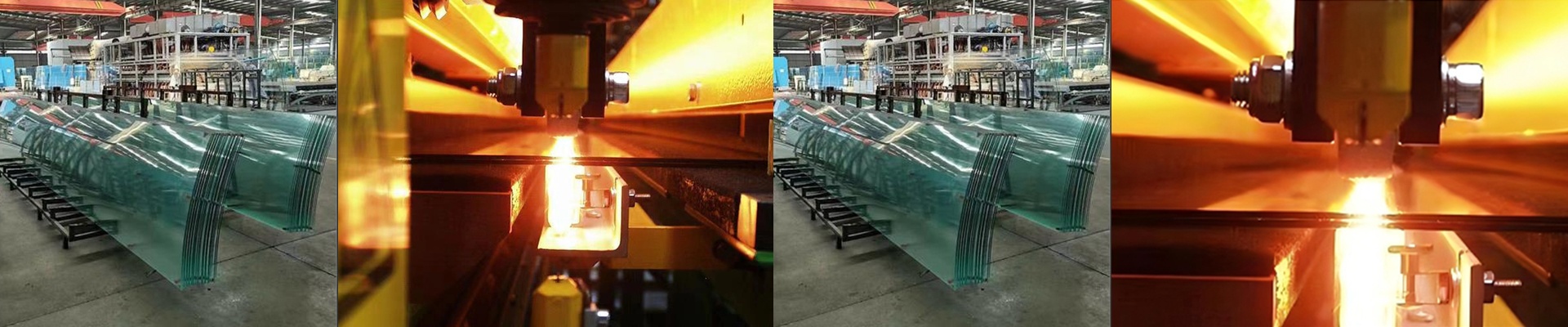
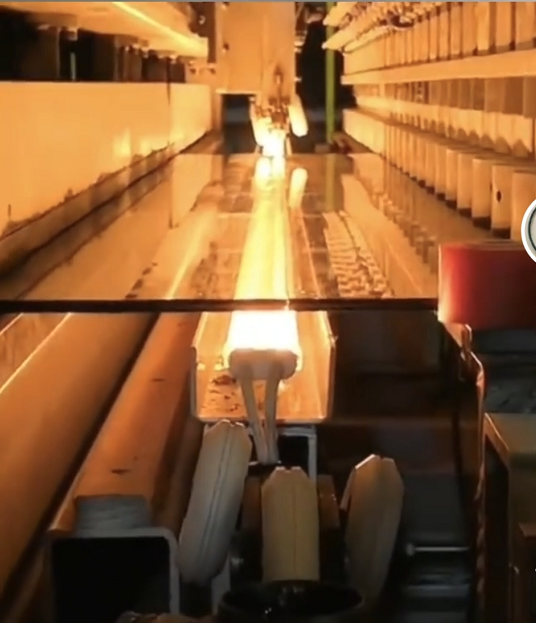
On the bending line, scrap isn’t just glass. It’s lost throughput, wasted energy, and margin you can’t recover. When the thermal field is uneven, you get spring-back, optical distortion, and edge wave — and the furnace floor takes the hit. The fix starts right in the heating module. Here’s what matters technically. We build the heat around a uniform, fast-response radiant system. Usually that means quartz or short-wave elements, chosen to match the glass emissivity and the line speed. Power density is tuned so the glass hits the softening point quickly without cooking the belt. The payoff is a tight temperature band across the width — about ±5°C at the glass surface — so the entire pane bends as one unit. Control is closed-loop, with thermocouples tied directly to zone power. The module is designed as a drop-in replacement for standard bending furnaces. Why this works on the bending line. Uniform heat means fewer thermal stress fractures during forming, and less rework from shape drift. Rapid response cuts cycle time because the setpoint tracks faster when you change thickness, so the line keeps moving. Energy use drops because the module heats on demand instead of sitting in standby. Element life stretches to 5,000+ hours with stable output. In practice, that means fewer rejects, curvature that stays consistent, and a lower cost per bent pane. A few things you need to know. This module is sensitive to reflector alignment and clean surfaces — if those are off, you’ll see hot spots. It also needs the right voltage and cooling provision. Most lines run 400 V three-phase, and the terminals have to be rated for the temperatures near the bending zone. Plan the install for a scheduled stop, double-check the mounting clearances, and set the control curve once for your standard thicknesses. After that, keep the optics clean and stick to calibration, and the scrap rate will stay low.