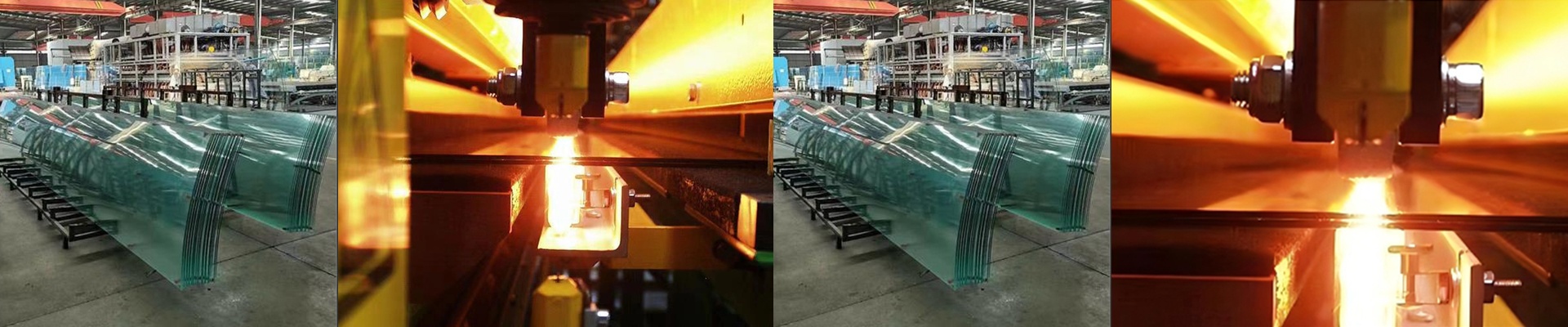
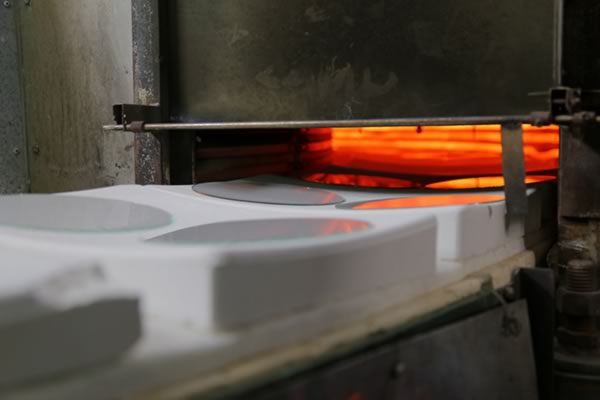
On the line, the furnace door opens and you can see it before the numbers confirm it: the temperature profile is cockeyed—center running hot, edges lagging. The same stress fractures keep showing up, the same rework tickets stack, and the electricity meter keeps climbing. In glass processing, uneven heat and wasted energy aren’t just costs—they’re the brakes on yield. What matters under the hood We set the heating system up with medium-wave infrared emitters and a quartz-backed reflector array. The heat is directional, fast, and cuts down on convection loss. The module runs 380/400 V three-phase, keeps power density under control, and drops into existing conveyor and zone-control layouts. Each zone is regulated independently, so you match the thermal curve to the glass—tempering, bending, lamination, or the IG secondary seal—instead of trying to make the process fit the heater. Why it holds up on the floor In tempering, the furnace hits setpoint quicker, so cycle time drops and uptime climbs. In lamination, the stack heats through faster, which limits edge overheat and keeps optical defects down. For insulating glass, faster heating narrows the secondary seal window and tightens edge-seal consistency. Energy use falls because the emitters turn electrical input straight into radiant heat, and the reflector setup keeps that heat where it needs to be. The payoff is fewer breakages, more consistent flatness and optical quality, and a measurable drop in kWh per square meter. What you need to plan for Install is straightforward on most lines, but you need a stable three-phase supply and a clean, dry environment around the emitter and reflector assembly. Reflectors and terminals need routine inspection, and the zone layout should match your typical glass thickness range—thicker glass does better with wider spacing and longer dwell. Set aside a short commissioning window to tune power and dwell against your current quality window.