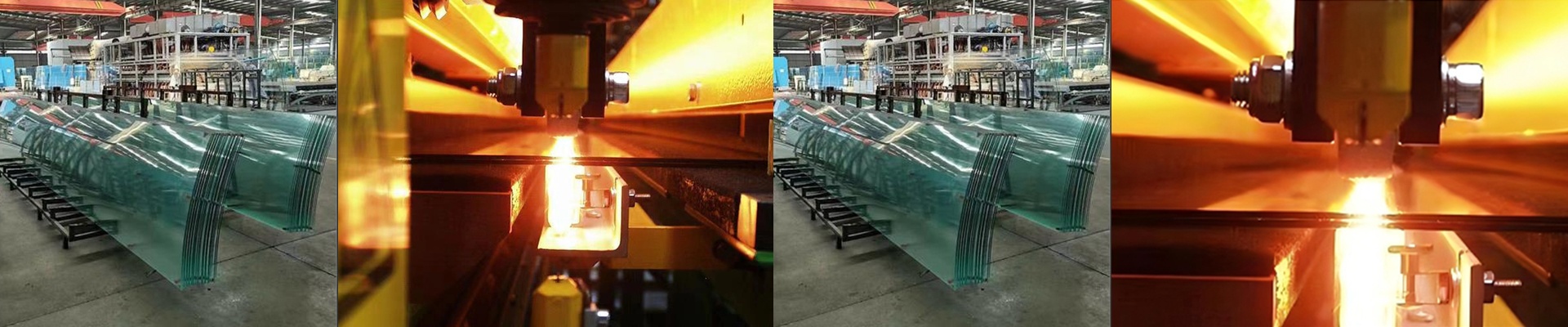
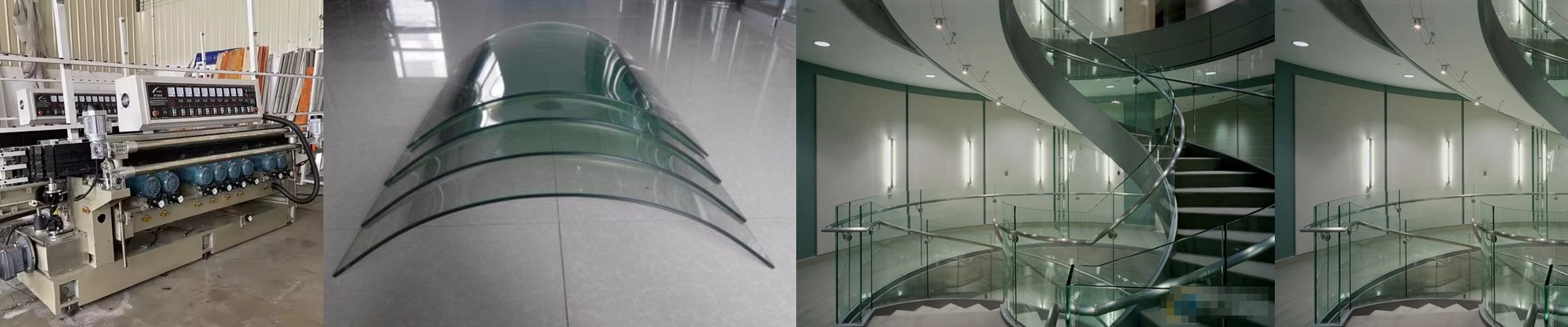
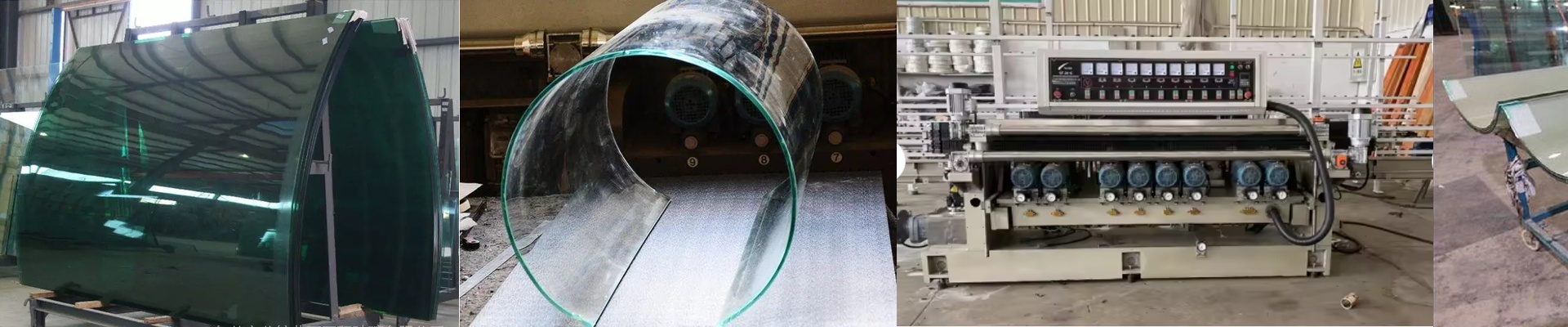
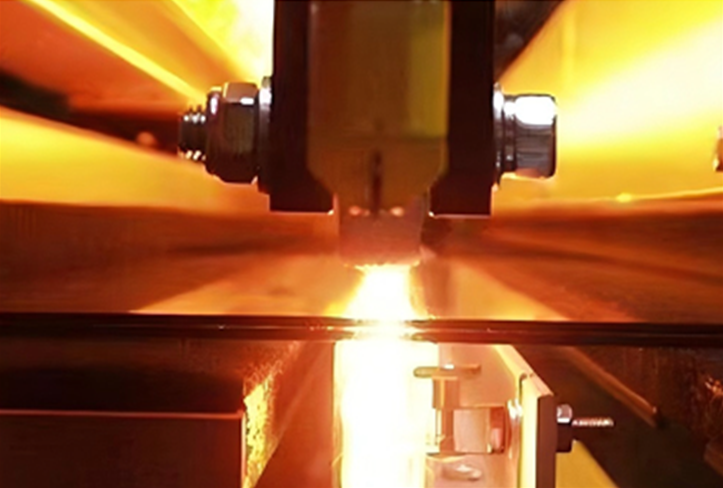
On the train window line, annealing isn’t some soft finishing touch—it’s the control point that keeps latent fractures from sneaking in and keeps the schedule honest. When the heating module flags, you get uneven temperature bands, more thermal stress, and glass that falls apart at inspection after forming. That translates straight to scrap, rework, and a line that can’t keep pace. What matters, technically We lean on quartz short-wave infrared for annealing because it snaps to the setpoint and holds the thermal profile tight. The radiant output hits glass emissivity head-on, heating the surface fast without dumping excess heat into the furnace walls. Power density and lamp geometry are matched to the annealing lehr width, so coverage is even and cold spots are minimized. PID control keeps the response quick enough to track line speed without drifting outside the setpoint band. And here’s why it fits train window glass. You need consistent annealing to relax forming stresses and lock in dimensions. With this heating approach, you can shorten the annealing segment while keeping the cooling ramp disciplined—cycle time comes down without pushing breakage risk higher. Energy use drops because the heat is applied on-demand, not held in a heavy thermal mass. The upshot: more good panes per hour, fewer rejects tied to stress fractures, and output dispatch can actually count on. Installation is straightforward, but the lehr has to deliver clean power and stable voltage. Voltage swings will push output variation and chew lamp life. We supply drop-in replacements sized to common OEM lehr footprints, with connector options that make it a direct swap. For glass machinery brands, we provide an adapter kit so mounting and alignment stay intact—no cutting, no re-engineering. Plan a short line stop for commissioning and thermal mapping, then run the same schedule with tighter control.