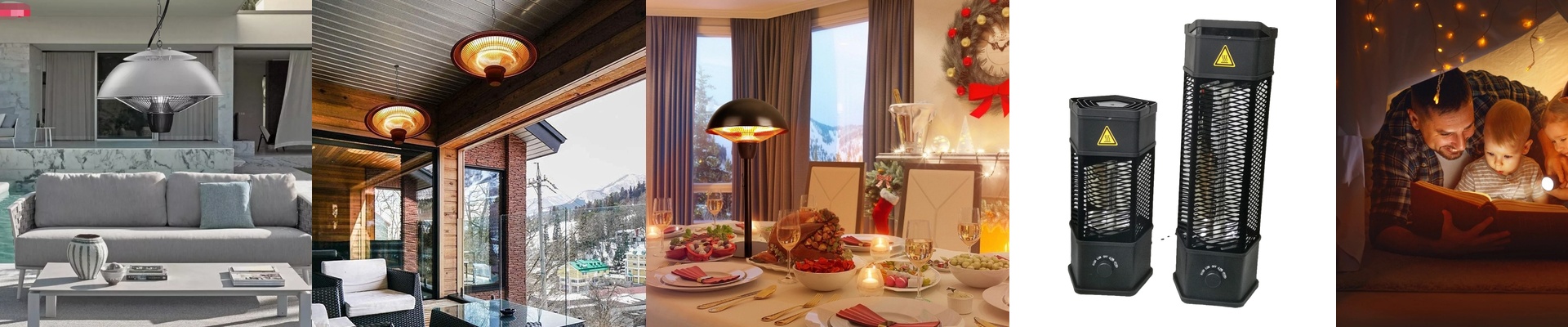
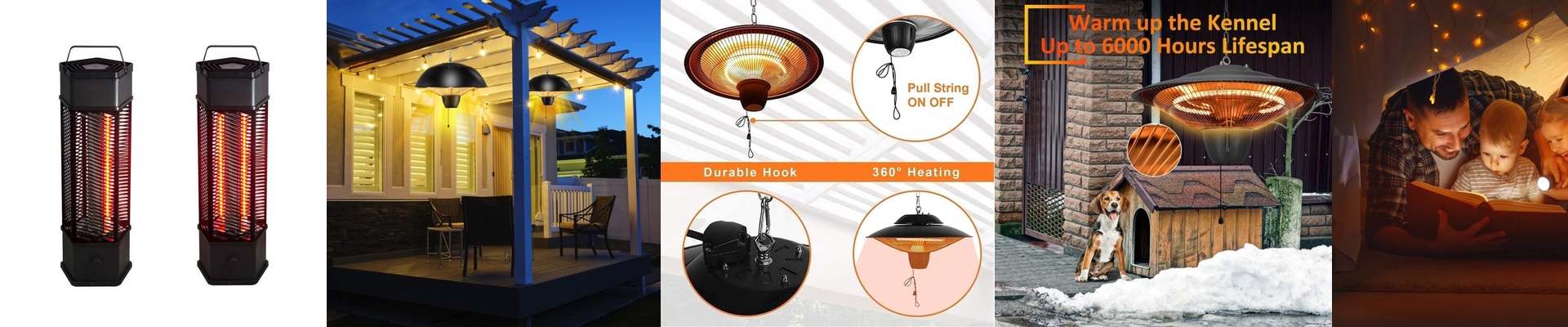
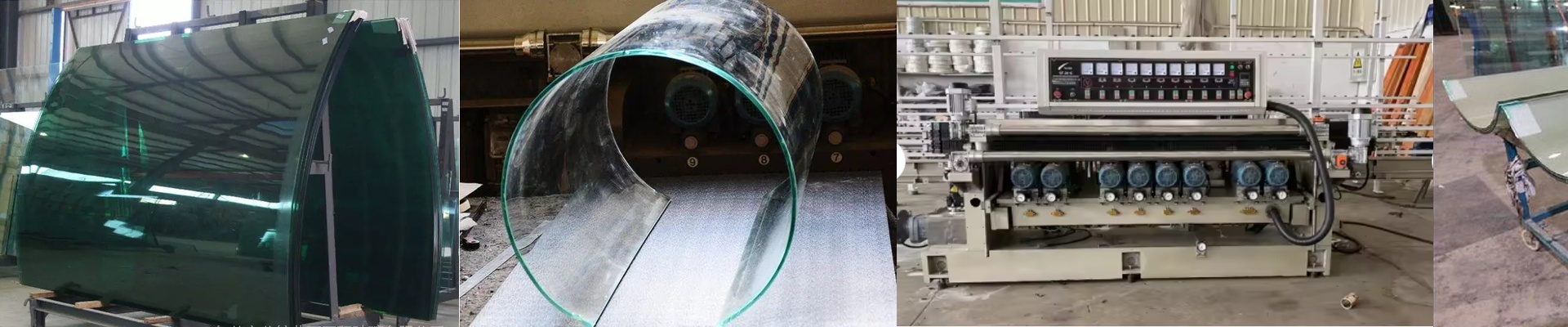
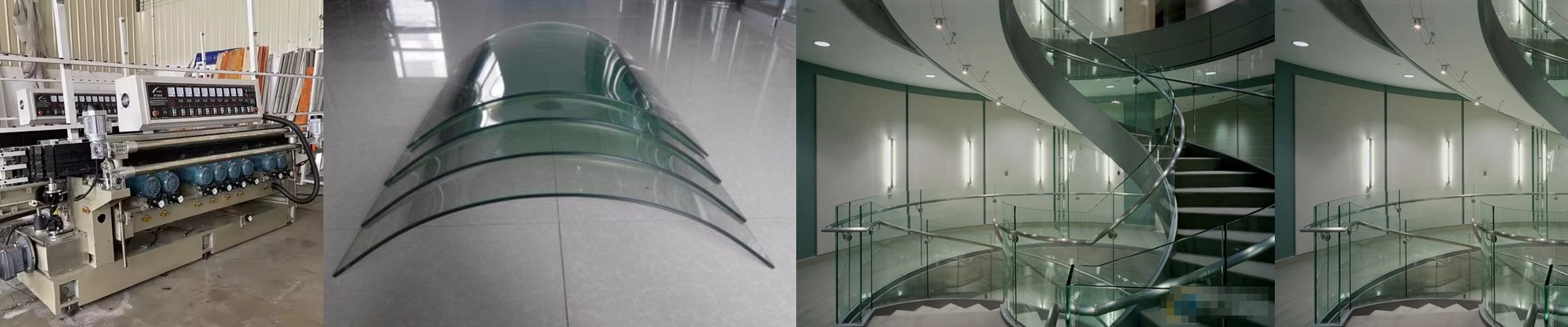
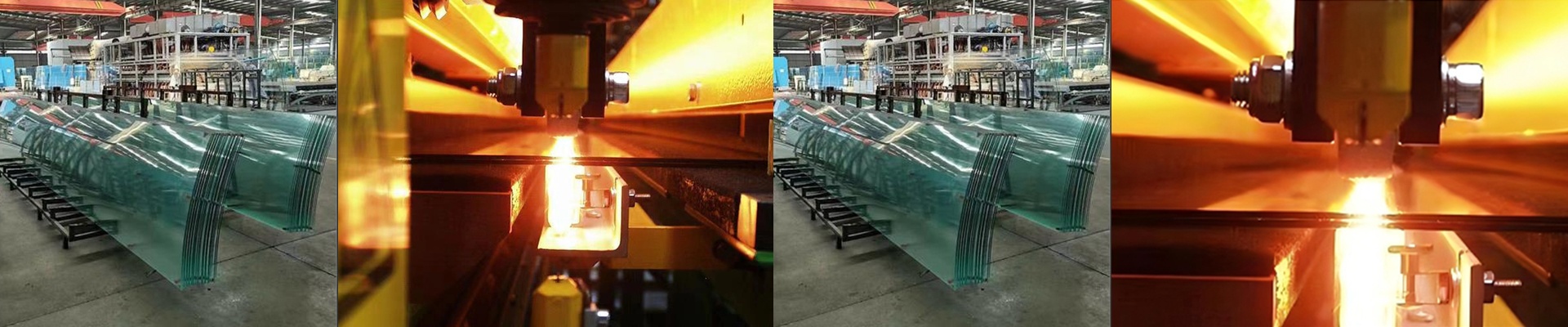
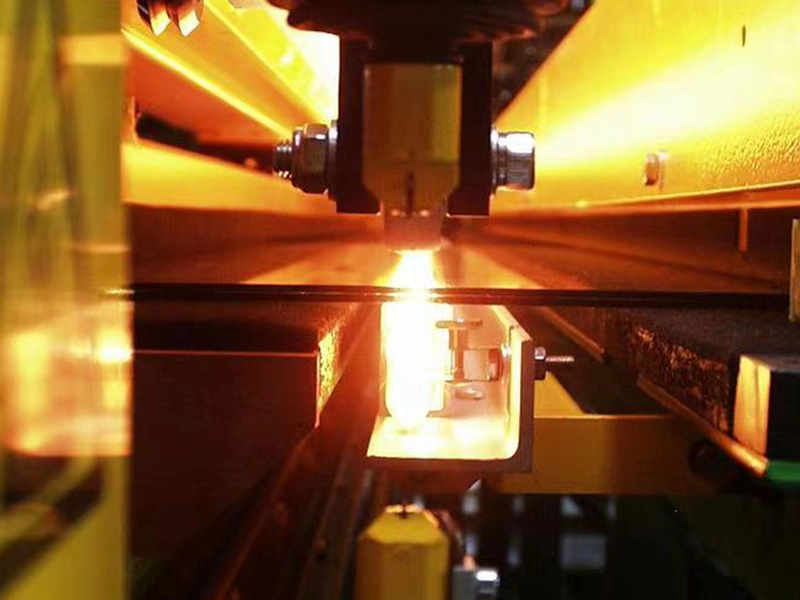
On the floor, annealing isn’t optional—it’s the safety valve on the whole line. Let the heat profile drift and you’ll pay for it in edge stress, micro-cracks, and rework that chews through yield. We built this annealing lamp to keep the curve honest, and to fit a maintenance budget without a fight. What matters under the hood At the core is a quartz-halogen short-wave emitter. We went that route for the fast response and predictable emissivity across glass surfaces. It puts heat where you need it, fast, and matches the thermal inertia of float and coated glass so you hit setpoint quickly and hold it without overshoot. It comes in standard voltages and a compact form factor, so it drops into existing fixtures and can be wired to your control points as-is. The output is stable, repeatable, and easy to tune—no second-guessing in the annealing zone. Why it earns its keep on the line In glass work—tempering, bending, lamination prep, and insulating glass assembly—time and temperature are the same currency. This lamp shortens the ramp, tightens soak control, and cuts scrap born of thermal stress. You end up with fewer rejects, more consistent cycle times, and less wasted energy. On high-throughput lines, the quick response lets you run closer to the edge without risking fractures. In smaller shops, it brings annealing discipline without a capital-heavy overhaul. What you need to keep straight Installation is straightforward, but give the lamp the clearance it needs and mount it clean so you don’t invite hot spots or convection issues. Match the rated voltage to your supply, and confirm the thermal load at the workpiece surface—overdriving will shorten filament life. Expect consistent performance over 5,000+ hours, with output drift kept low through controlled aging. If you’re running 24/7, plan redundancy on critical lanes. This is a practical, cost-conscious upgrade—not a miracle—and it delivers when the process respects the physics.