Stop Wasting Heat: Getting Your IR Lamps to Actually Talk to Your Glass
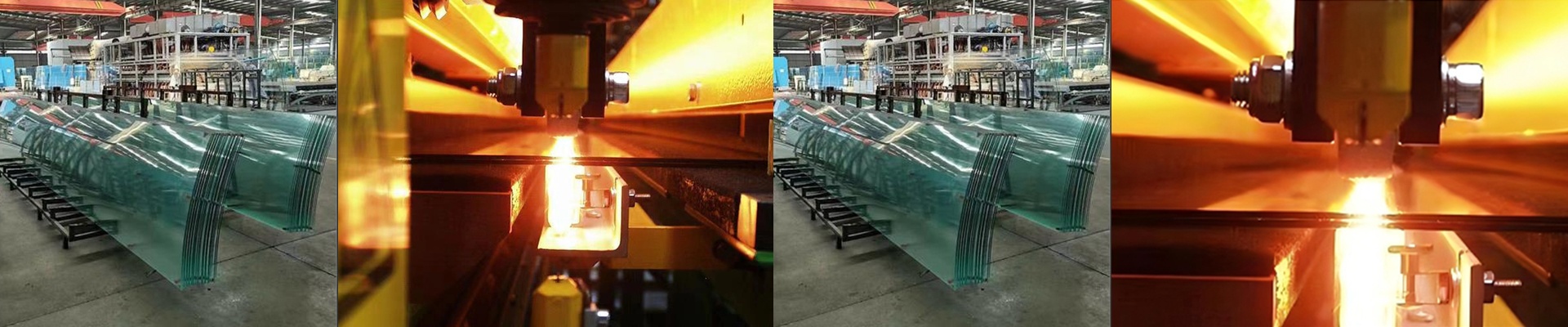
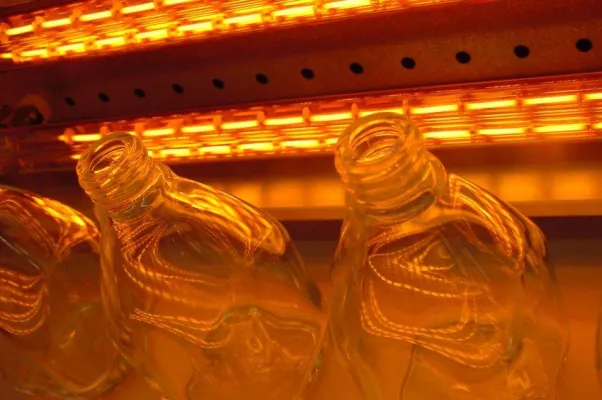
Most standard infrared lamps are just guessing. They blast energy out there, but a huge chunk of it never even touches the glass—it just bounces off or heats up the air around the part. It’s a waste of power and a waste of time. The trick is that glass isn’t just “glass.” Once you start adding chemicals for color or strength, you change how that material absorbs heat. If your lamp is humming along at 2.0 microns but your glass is waiting for 3.5 microns, you’re basically trying to unlock a door with the wrong key. We fix this by tweaking the filament and the quartz envelope. We shift the spectrum so the photons actually hit the molecular vibrations of your specific additives.It’s the difference between a flashlight and a laser. Now, there’s a bit of a trade-off here. If you go for a narrow, customized band, you lose some of that raw, brute-force wattage. A broad-spectrum lamp feels “hotter” on the surface, but it’s shallow. A tuned lamp puts the heat exactly where it needs to go. You get deeper penetration and faster Stress relief without scorching the surface. Just a heads-up: you’ll need to recalibrate your pyrometers. If you don’t, your temperature readings will be lying to you. This is where it really pays off for high-precision work. When glass cools unevenly, it creates internal tension. You’ve probably seen the “skin effect”—where the outside is toasted but the core is still stressed and cold. That’s a recipe for a disaster once you start machining or tempering. By using tuned IR sources, we drive the heat straight into the core. It speeds up the cycle time in the annealing lehr and, more importantly, gives you a part that stays stable. No surprise cracks. No wasted material. Just a solid, stress-free piece of glass.