Shortwave Infrared for Glass Frosting: Why It Triples Nanometer Coating Adhesion Over Hot Air
We built this shortwave infrared lamp for one reason: to cure nanometer coatings on glass during frosting lines. The aim? Get the adhesion locked in—fast—without the slow, uneven mess of hot-air drying.
Power, Voltage, and Output Density: The Real Difference
Here’s the thing. Shortwave infrared doesn’t just warm the air. It hits the workpiece with concentrated radiant energy. That matters when you’re curing thin films on glass, because the energy has to reach the coating quickly and evenly. We set it up at 400V and 2500W to give you the wattage density needed for a fast ramp-up and short dwell times. The active heating length is 300mm, so you get a tight thermal footprint. It matches the line width without overshooting. It’s direct, focused heat—and it’s repeatable. Now, let’s be honest. That kind of power density creates local heat. You’ll need proper cooling and thermal management around the lamp and reflector. Keeps everything stable.
What It’s Made Of: Halogen, Quartz, and the R7s Base
Inside, we use a halogen element in a quartz envelope. Quartz is great at transmitting shortwave infrared and handles rapid temperature swings without blinking. The halogen cycle keeps output stable over the life of the lamp, so performance stays consistent, shift after shift. And the R7s base? That’s intentional. It’s a standard, compact, two-pin connector that makes the lamp a drop-in replacement. Wire it up, align the 300mm tube, and lock it in. No custom brackets. No redesigned housing.
On the Line: Faster Curing, Stronger Bond
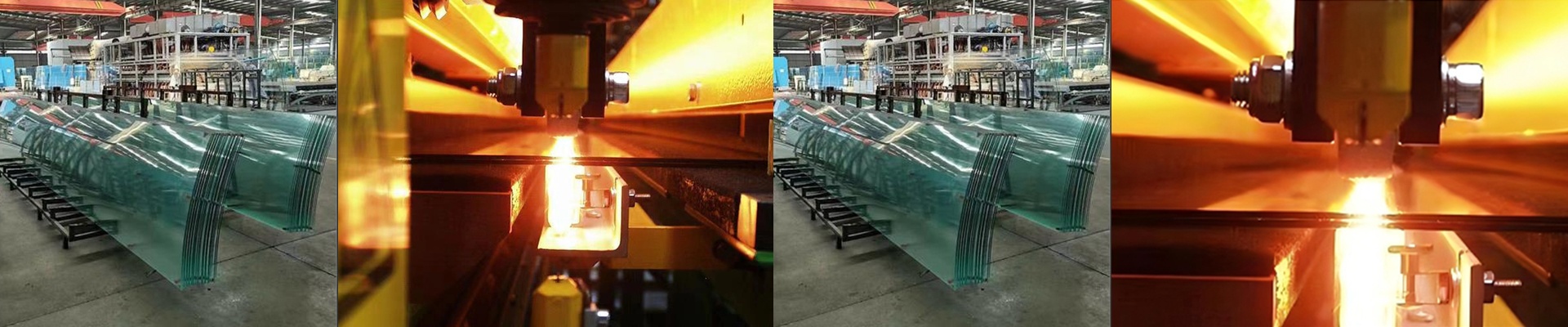
On glass frosting lines, the coating has to cure before it moves on. Hot air tends to heat the air and the glass surface first, which leaves the coating lagging behind. The result? Under-cured edges and weaker adhesion. Shortwave infrared goes straight to the coating. It brings the film up to cure temperature faster. In practice, that means higher throughput and a more stable bond. When engineers measure adhesion after curing, they often see a big jump compared to hot-air drying—sometimes around three times stronger, depending on the coating and line speed. If you want repeatable curing, a shorter window, and stronger adhesion on frosted glass, this shortwave infrared setup is the practical way to get there.