
Stop Buying IR Tubes by Part Number
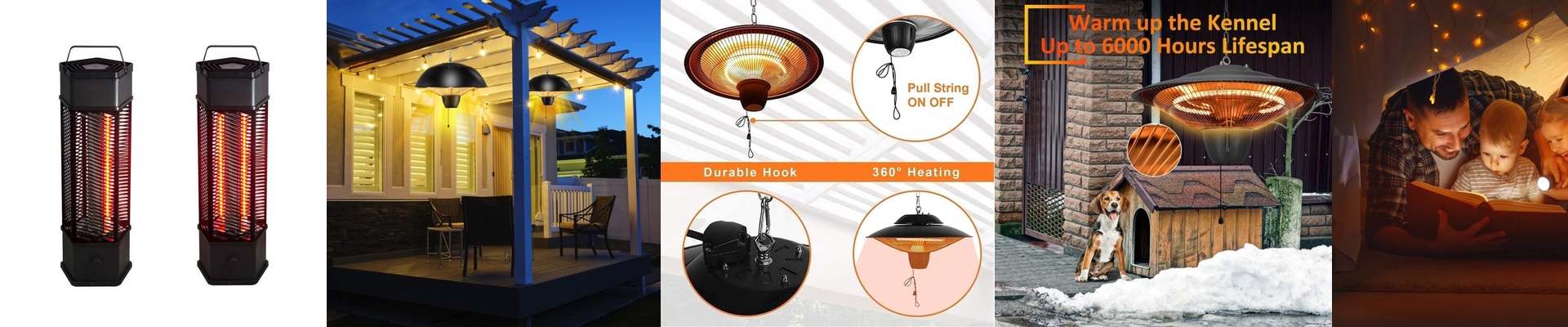
Most people just look at a catalog, find a part number, and hit “order.” But that’s a gamble. We don’t see it that way. To us, you aren’t just buying a tube—you’re trying to solve a heat problem. It’s about making sure the electrical side of your machine and the material you’re heating actually get along. The Voltage Headache Let’s talk power. If you’re running a high-wattage setup—say, 2000W to 3000W—the voltage you choose changes everything. We usually lean toward higher voltages. Why? Because it keeps the amperage low. That means you don’t need massive, chunky wiring, and you won’t lose power over long runs. If you try to jam a low-voltage, high-current tube into a system that wasn’t built for it, you’re going to smell something burning. Usually, it’s the connectors. Glass, Coatings, and Fit These tubes rely on quartz and halogen cycles to keep from burning out. But the real secret is in the coatings. By shifting the emission spectrum, we can focus the energy into a tighter band. This is huge. It means you can get the core of your workpiece hot without scorching the surface. And then there’s the connector—the R7s or the Sk15. It’s not just about whether it plugs in. It’s about the “breath” of the material. These tubes expand and shrink fast every time you flip the switch. If the fit is off, you get arcing or, worse, the quartz seal just snaps under the pressure. The Trade-off Everyone wants that immediate thermal punch. High heat density is great, but it’s aggressive. You’re concentrating a massive amount of energy into a tiny space. If your reflector is slightly crooked or your cooling fans are weak, you’re asking for trouble. You’ll warp your housing or kill the tube’s lifespan in record time. That’s why we don’t just ship a box and wish you luck. We look at your actual heat load. We want to make sure your equipment doesn’t accidentally cook itself.