
Why Shortwave IR is the Secret to Online Glass Annealing
If you’re running a continuous tempering line, the last thing you want is a bottleneck. Convection ovens are fine for some things, but they’re just too slow. They have this lag time that kills your momentum. When you need to get rid of internal stresses in tempered glass without grinding your whole operation to a halt, you need heat that hits the mark now. That’s where shortwave infrared (SWIR) lamps come in.
The magic of fast heat
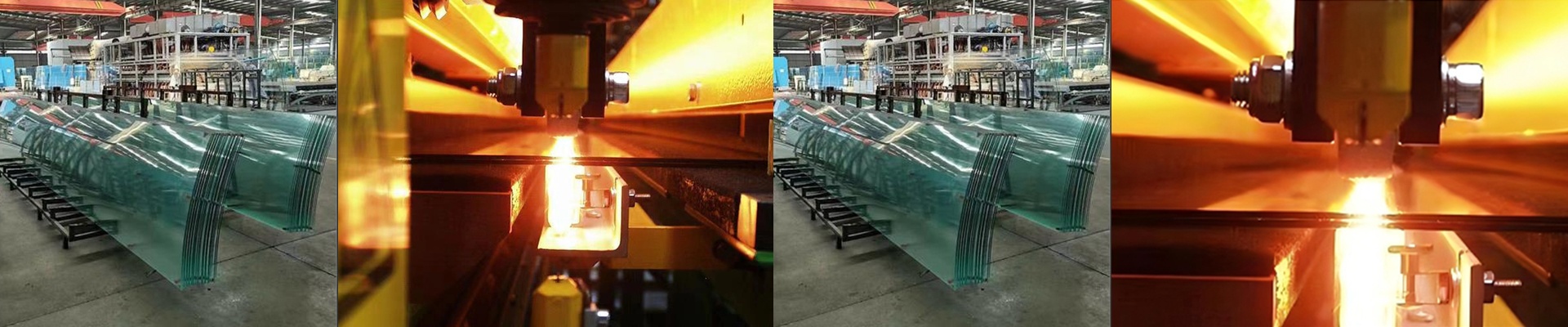
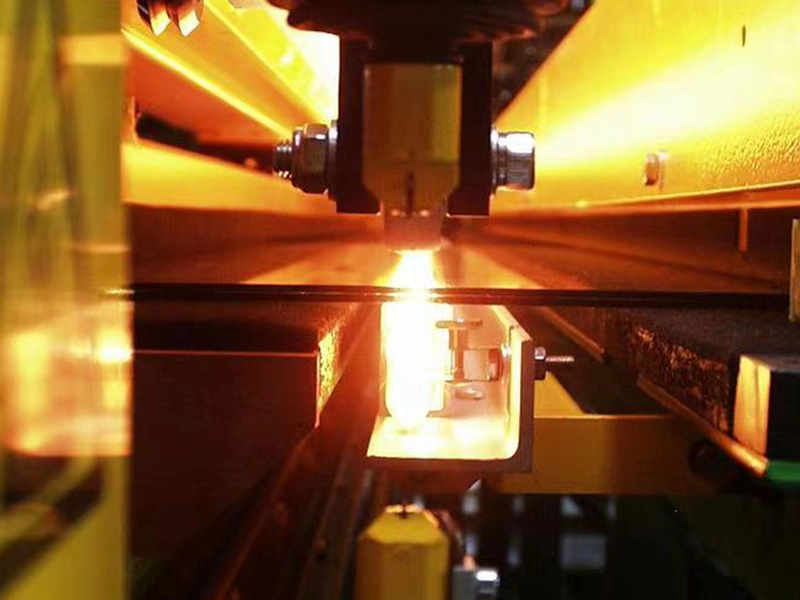
Here’s the thing about shortwave radiation: it doesn’t just sit on the surface. It actually penetrates the glass and reacts in milliseconds. We use high-watt density quartz halogen elements to basically flood the glass with energy. It’s a different world compared to waiting for a massive chamber to warm up. You’re heating the material while it’s moving. It just flows.
Keeping things steady
Online annealing is a bit of a balancing act. If your heat ramp is too sluggish, your production speed tanks. But if it’s erratic? You’re looking at cracked glass and a lot of wasted material. To fix this, we use zoned IR arrays. It lets you tweak the heat profile across the width of the sheet so everything stays consistent. Plus, we usually go with high-voltage setups. It keeps the current draw down while cranking up the output, which means your electrical panels don’t have to be the size of a small car.
The catch (and how to handle it)
Now, let’s be honest. High-density IR heating isn’t some “set it and forget it” magic box. Because these lamps put out so much intense, concentrated heat, your housings take a beating. This is where a lot of people mess up. If you cheap out on the cooling fans or the heat sinks, your sockets are going to fry. It doesn’t matter what the lamp’s rated lifespan is—if there’s no airflow, it’s gone. But when you get the wiring and the cooling right? You can move from tempering to stress removal in one smooth motion. No more batch annealing. No more waiting. Just a line that actually keeps moving.