

The Truth About Glass Annealing
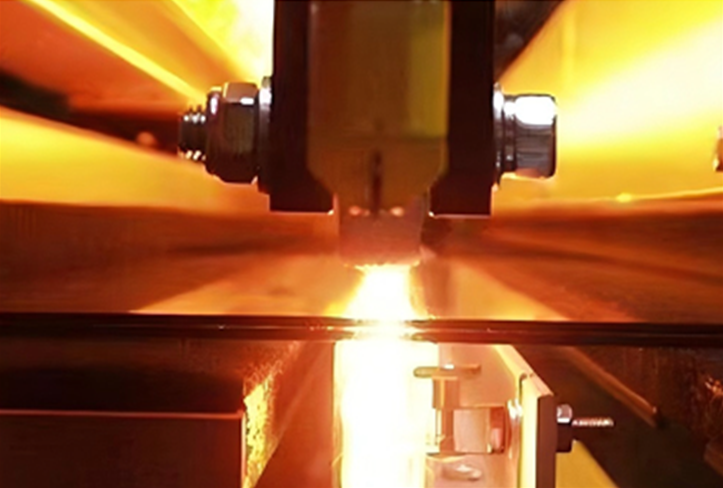
Selling a heater is the easy part. The real headache? Getting a sheet of glass to cool down without it building up internal stress and cracking. Most people just flip through a catalog for an infrared system, pick a wattage or a lamp length that looks right, and hope for the best. We don’t do that. We’d rather send our engineers straight to your shop floor to see what’s actually happening. Why? Because a “standard” lamp usually falls apart the second it hits the reality of a messy production line. The struggle for uniformity To get annealing right, you have to obsess over the thermal gradient. If your IR emitters are too far apart, or if the power doesn’t match the thickness of your glass, you end up with “zebra striping”—those annoying hot and cold bands running across the material. We start by looking at your footprint. We check if your reflectors are pitted or just plain crooked. It doesn’t matter if you have a high-wattage lamp if the energy is bouncing off at the wrong angle. It’s just wasted heat. Picking the right gear We aren’t here to just swap out a part and leave. We dig into the gritty stuff, like the voltage drop across your long heating elements. If you’re pushing high-power shortwave lamps, your electrical panels need to be able to handle that surge without tripping every ten minutes. Then there’s the quartz tubing and filament coatings. This depends entirely on your glass chemistry. Some coatings push heat deep into the core, while others just hit the surface. You have to decide which one your process actually needs. The balancing act Here’s the thing: if you cram more power into a smaller area, you can move more glass through the line. But there’s a catch. Too much heat in one spot can warp your frame or fry your conveyor rollers. If we crank up the IR intensity to hit your cycle times, your cooling zone has to be totally overhauled to keep up. Otherwise, you’re just trading one problem for another. That’s why we diagnose the bottlenecks on-site. It beats buying a fancy system only to find out it broke something else in your process.