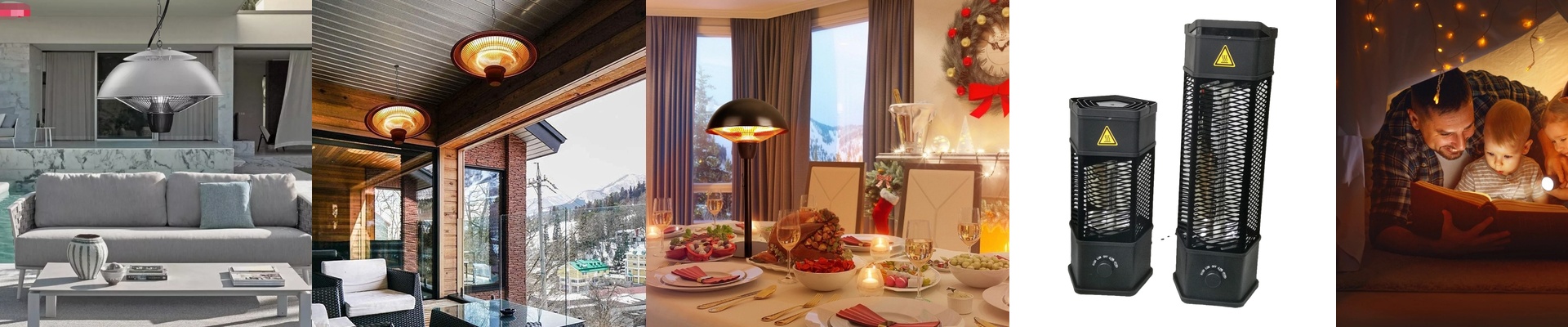

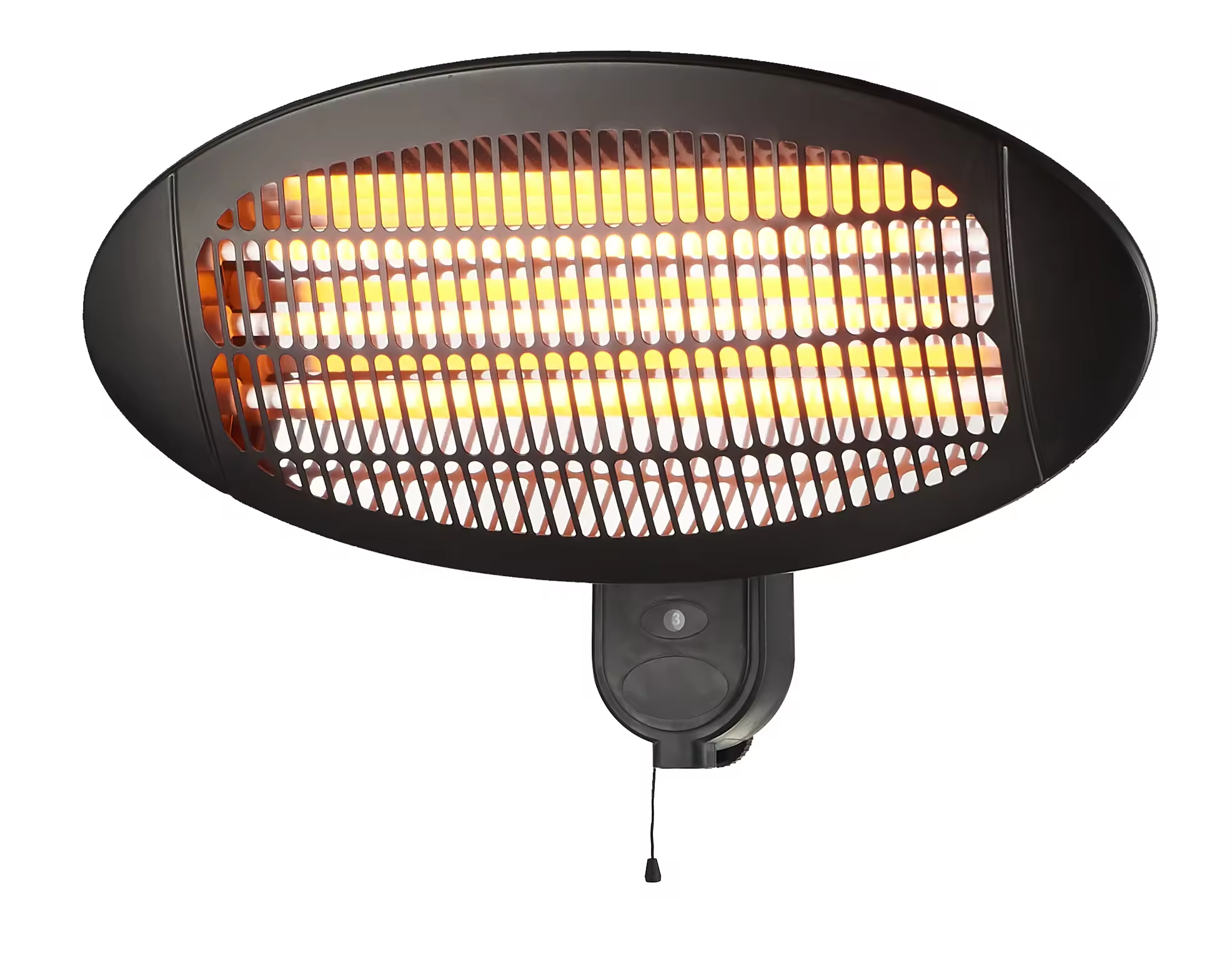
Commercial property managers walk a narrow line: keep people comfortable, but keep the energy numbers under control. When winter hits, the usual heating systems spike demand, drive peak loads, and make ESG reporting feel like another headache. Switch to an infrared room heater and the equation shifts. It warms people and surfaces directly, not the air around them. That means real comfort with less electricity, and it helps you hit sustainability targets while improving how the building performs.
What matters under the hood
We build our infrared room heaters around carbon-fiber elements and a reflector array, so the radiant heat is focused and travels cleanly across the space. You get heat within seconds of flipping the switch—no long warm-up, no energy wasted on standby. Match the wattage to the room size, and the unit runs off standard voltage with a straightforward plug-in connection. A built-in thermostat holds the output steady, and safety is covered with tip-over protection and a sealed design that shrugs off dust and moisture.
Why this plays well in commercial real estate
In commercial buildings, you get two wins at once: better sustainability and a better day-to-day experience. Because infrared warmth heats objects and people first, you can often run the space at a lower ambient temperature and still keep comfort high. That directly cuts energy draw and trims the building’s carbon footprint—solid support for ESG goals and your sustainability story. The fast response also means heat is there exactly when occupants need it, so you waste less during partial-load stretches. Over time, fewer demand peaks and steadier consumption can translate into lower operating costs and a stronger, more attractive asset.
The details that make it work
Infrared heat is directional, so placement matters. Point the heater toward seating areas and the spots that get the most foot traffic, and use multiple units if you need even coverage across a larger room. For the best results, tighten up insulation and seal drafts so the warmth stays where you want it. One practical note: radiant heating shines at spot comfort, but in very open floor plans it performs best when paired with a thoughtful zoning strategy.