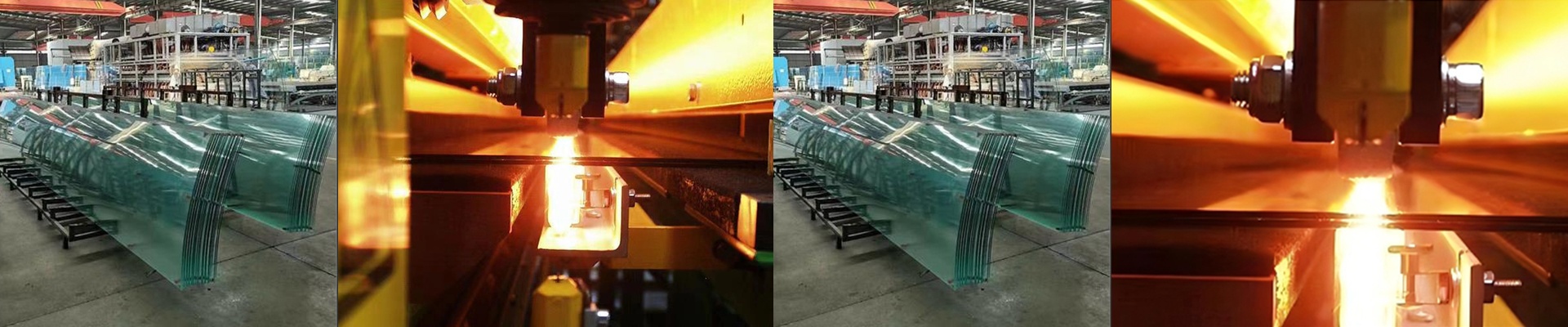
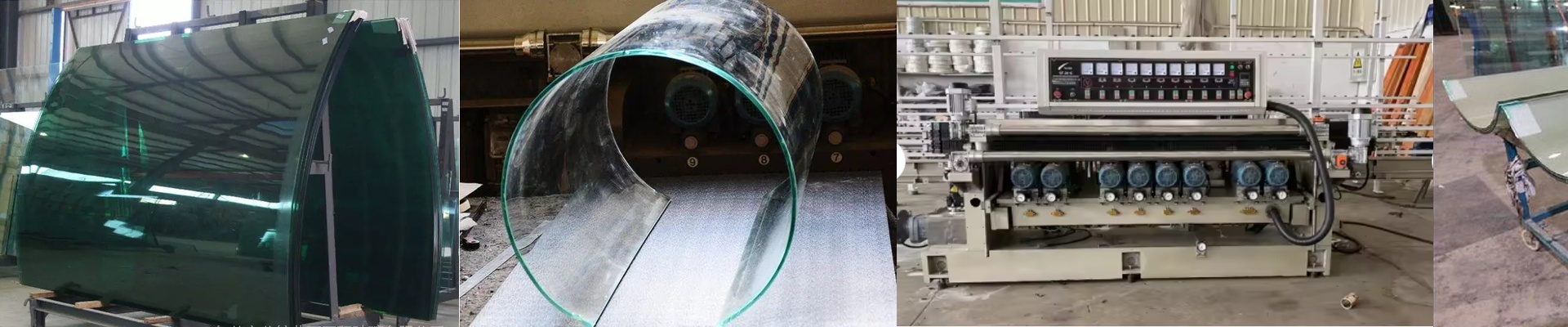
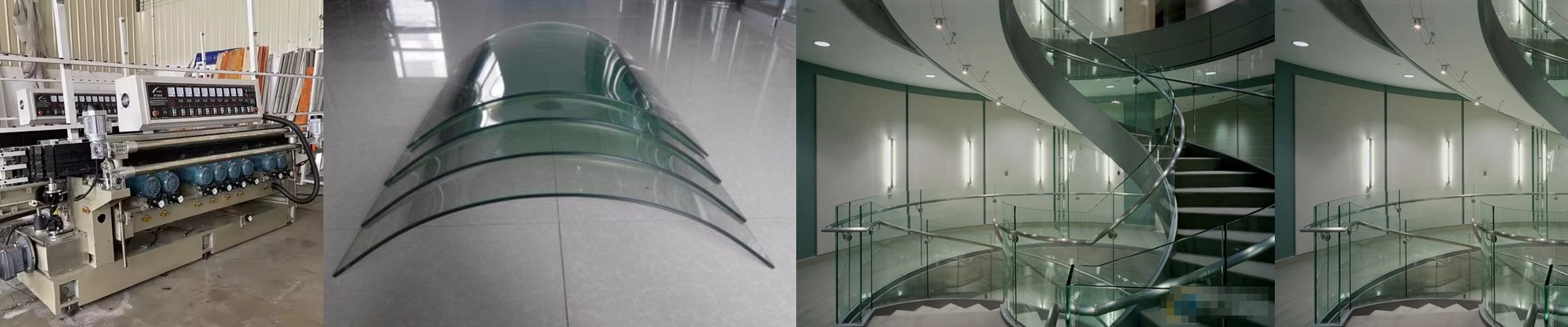
On the line, glass either heats fast or it shatters. Tempering furnaces, bending ovens, coating dryers, and lamination autoclaves all demand heat that hits the surface quickly, stays uniform, and repeats cycle after cycle. When the heating profile drifts, you pay for it in optical distortion, thermal stress fractures, or weak edge compression. Near infrared (NIR) lamps give you direct, controllable heat that keeps throughput up and scrap down. What matters, technically NIR dumps energy in the 0.7–1.4 μm band, which glass and many coatings absorb strongly. That means rapid surface heating with far less wasted heat in the air, so you cut cycle time without leaning on convection. We build these as industrial emitters—high-purity quartz envelopes, dense tungsten filaments, and reflectors shaped to steer the beam. Power density is matched to the process window, typically 30–80 W/cm² at the target plane, with tight spectral control to keep absorption consistent. Response is in milliseconds, so the control system can follow tight ramps and hold setpoint within ±2% across the width of the glass. The payoff is repeatable temperature uniformity, which directly translates to predictable stress in tempering and even cure across the ply in lamination. Why it fits the work we do In tempering, you need the surface to hit tempering temperature fast while the core stays cooler; NIR gives you that spike without overheating the furnace. For bending, that same fast response keeps sag under control, cutting down edge roll-in and optical distortion. In coating drying and EVA/SGP/PVB lamination, NIR penetrates the interlayer and drives solvent removal and polymer cross-linking evenly, so you shorten dwell time and avoid bubbles at the edge seal. In insulating glass, NIR helps with fast desiccant activation and primary seal curing, so you can seal faster without hurting the secondary polysulphide bond. Energy use drops because you’re heating the glass, not the room, and you can zone the lamps to match width and thickness changes. The details that keep you out of trouble NIR performs best when you know your glass emissivity and your coating stack is stable. If the absorption profile shifts with color or thickness, you have to retune lamp power and spectral output. Installation means respecting thermal clearances and keeping reflector alignment tight—misalignment shows up later as hot spots and stress marks after quench. Lamp life takes a hit at very high power density, so plan replacement intervals and keep spares on the shelf. For retrofits, confirm voltage, connector, and mounting footprint up front to avoid rework. Matched to the right process, NIR is a practical, reliable way to tighten control, boost yield, and keep the line moving.