


Basements are their own microclimate — damp, cold, and just plain unpleasant. You know the feeling: air that clings, walls that seem to sweat, and a standard heater that just pushes warm air around without ever drying the space. That cycle is what gives you the musty smell, the mildew worry, and a room you end up avoiding.
What matters, technically
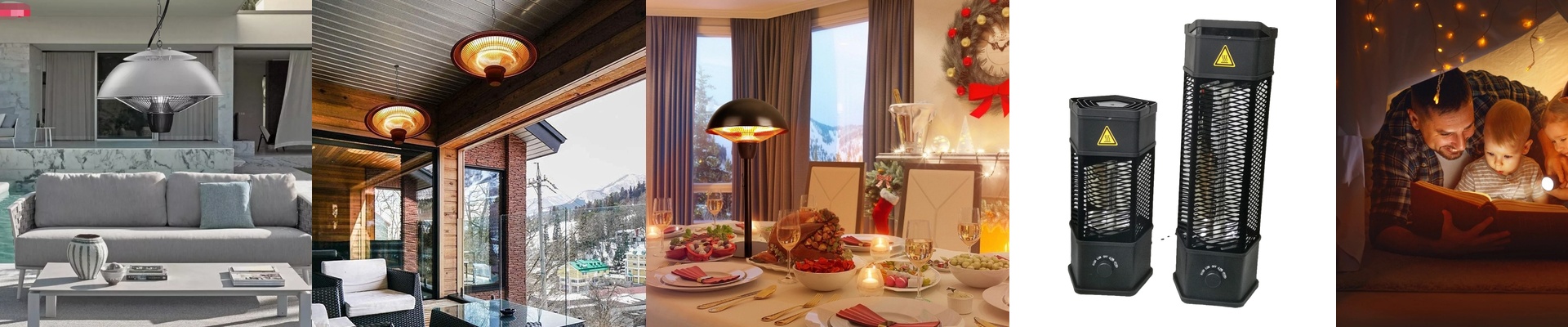
We built this wall-mounted infrared heater around a focused radiant approach. It warms people and surfaces directly, instead of trying to heat the entire air volume. At the core is a quartz element that produces short-wave infrared warmth. Objects get warm first, then they gently radiate that heat back into the room. It’s a low-power design that runs on standard household voltage, and the slim profile keeps floor space clear. A built-in thermostat helps you hold a steady comfort level, and the IP rating makes it a solid choice for humid environments.
Why it works in a basement
In a basement, the real payoff is warmth plus drying. Radiant heat raises perceived temperature quickly, so you feel cozy even when the air is still. At the same time, gently warming walls and floors cuts down on condensation, which helps you tackle dampness at the source. Because the heater targets the people and surfaces that matter, you get comfort without driving energy costs up. The upshot is a room you can actually use — fewer cold spots, less clamminess, and a steady feel of dry warmth.
What to keep in mind
Installation is straightforward, but placement matters. Mount the unit on an interior wall where the infrared beam can reach the main seating or walking area, and keep clearances clear for airflow and safety. In very wet conditions, pairing the heater with a small dehumidifier speeds up the drying even more. One practical note: infrared heat is most effective in open sightlines, so obstructions like shelving can create shadows where warmth drops off.Plan the angle, and the performance follows.