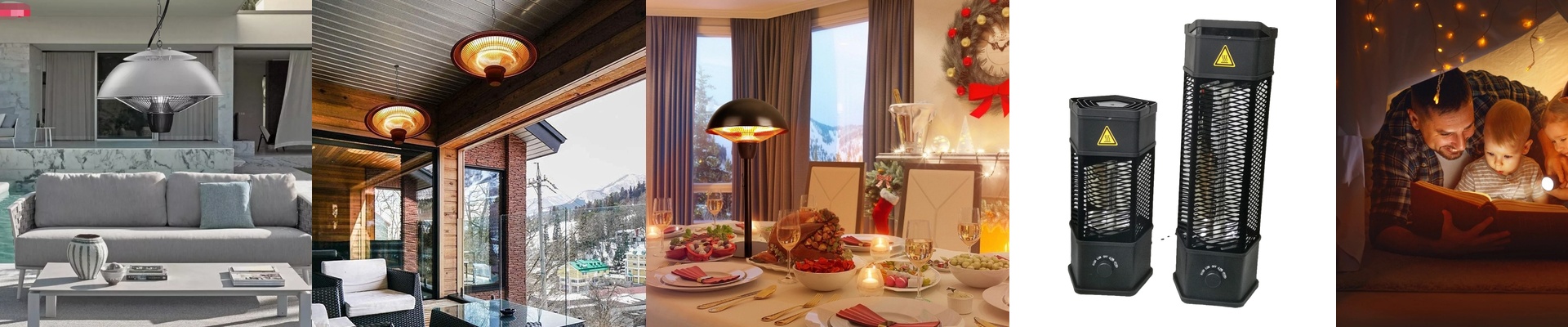
The evening settles in, the terrace lights glow, and your guests are minutes away. You hit the switch, expecting warmth right now. Instead, you get that familiar pause—waiting for the heater to wake up, waiting for air that never feels quite close enough. That lag costs comfort, and quietly, it runs up the energy bill.
What matters under the hood
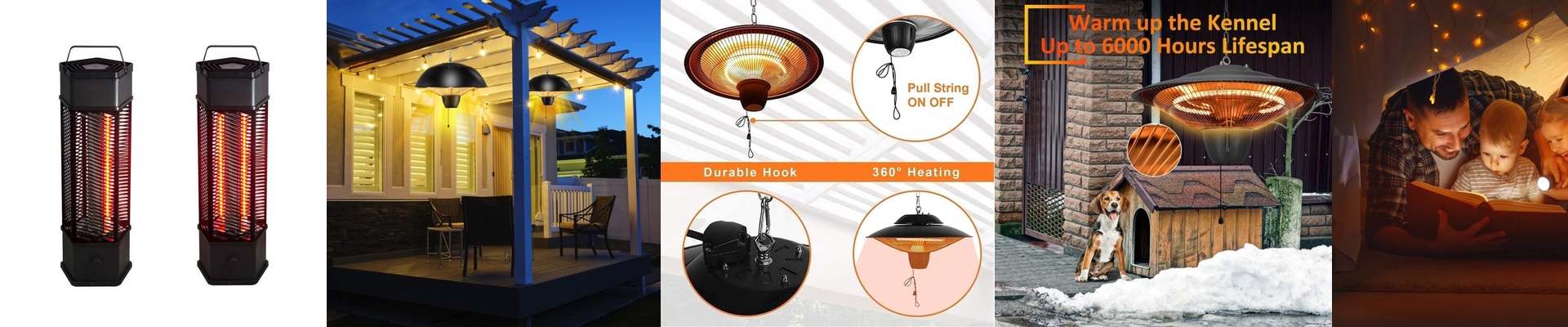
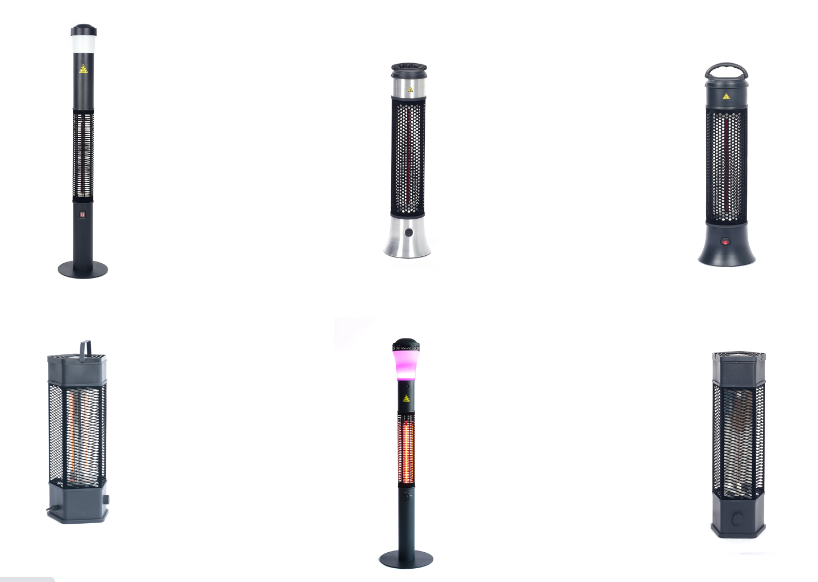
We built this terrace heater around a low-heat-inertia infrared element—carbon fiber, chosen because it comes up to temperature fast and delivers radiant warmth the instant power hits it. Convection-style heaters warm air, and wind steals it. Radiant heat travels outward and lands directly on people and surfaces. You feel it within seconds, not minutes. The response is quick because the element itself holds very little thermal mass. Switch on, and the filament hits operating temperature almost immediately. Switch off, and it cools fast, so you’re not paying to hold heat nobody needs. In practice, that means fewer on/off cycles for your smart thermostat to chase, and more predictable energy use when the weather shifts by the hour.
Why this works on a terrace
Outdoors, comfort is about people, not what the thermometer says. Infrared warmth gives you personal-zone comfort, so you can sit comfortably even when the evening air is chilly. And because the heater responds instantly, you only run it when you need it—no preheat ritual, no long warm-up window. That snap reaction is exactly what makes smart home energy control work. When your smart thermostat senses occupancy or a dip in ambient temperature, the heater can react within seconds, delivering heat precisely when it’s needed. Over a season, that tight timing cuts wasted runtime. Low heat inertia turns into real electricity savings.
What to keep in mind
Infrared warmth shines in open-air settings when the heater is aimed at seating areas. For best results, pick an electric heater rated for outdoor use, with the right IP protection against moisture and dust, and position it to avoid direct glare. One practical note: infrared heats objects and people directly, so nearby surfaces can warm up. Keep clearances as recommended, and never use the heater where it can be bumped or tipped. If you want true smart integration, choose a model that plays nicely with a thermostat and includes safety features like tip-over protection.