Mirror Coating Drying: The Secret to a Flawless Finish
Let’s talk about getting that perfect, glass-smooth finish. You know the one—so flawless it looks like a mirror. Standard convection heating just isn’t up to the task. It’s like trying to melt an ice cube with a campfire. We had to build something better. That’s why we built our drying lamps with shortwave infrared halogen technology. It’s all about the intense, focused heat. This is the only way to get that glaze to melt deeply and evenly, all the way through. The result? A perfectly leveled surface. No bubbles. No tiny pinholes. And no stress on the glass from uneven heat.
Power, Voltage, and Size: Why the Details Matter
Here’s the thing about mirror coatings: they need a lot of energy, fast. So we spec these lamps for high-density output, typically around 2500W. It’s all about hitting that sweet spot—the melt window—quickly. We run these at 400V, and here’s why that’s a smart move. It keeps the current draw lower than a 230V setup, which means less strain on your wiring and a more stable power supply, especially when it’s running all day long. And the size? We keep the tube compact, usually around 300mm. This lets you focus the heat on a small, specific area. No need to waste energy heating up the entire line. It’s a concentrated blast of heat, so you’ll want to plan for proper cooling and shielding.
The Inside Story: Built to Last
We built this thing to take a beating. The core is a quartz envelope, chosen because it can handle extreme temperature swings without cracking and delivers consistent infrared energy. Inside, the halogen cycle keeps the filament output steady over the lamp’s long life. That means no annoying temperature drift in the middle of a run. We also added a mirrored coating to the tube. This does two things: it reflects the heat forward for better directional control, and it protects the filament environment. It’s all about repeatability—getting the same great result, every single time. And for the connector, we went with an R7s. It’s a simple, drop-in replacement that gives you a solid connection and can handle the high temperatures without blinking.
What It Feels Like on the Line
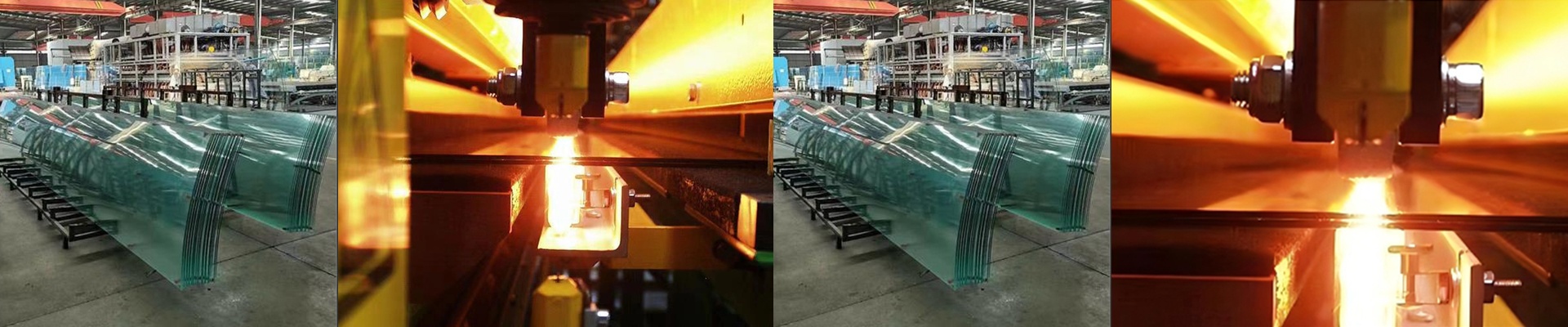
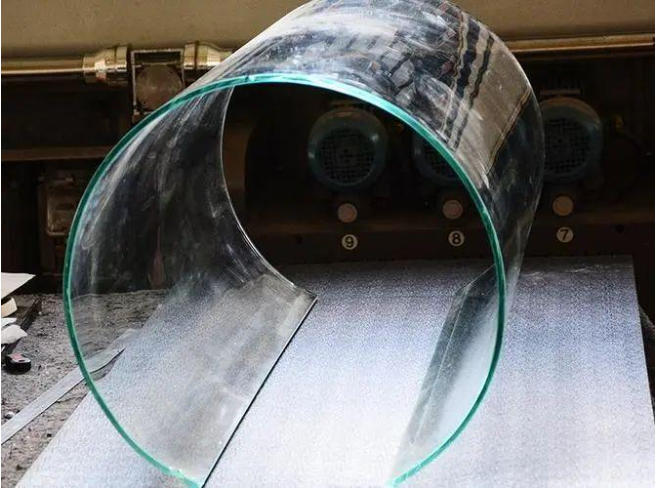
So what does this all look like in practice? On the glass enamel line, this setup delivers fast, localized heating. It drives that deep fusion of the glaze, and you can see the difference. The surface levels out perfectly, free of bubbles, and you get that stunning mirror finish. You’ll notice the cycle times are much faster than with oven-based curing. Plus, you’re not wasting energy heating empty space. It’s a smaller footprint, which gives you more room to breathe in your layout. Now, the trade-off is that this lamp runs hot. No two ways about it. So the fixture needs to be set up with proper airflow, enough thermal spacing, and safe, easy access for when it’s time to swap out the lamp.