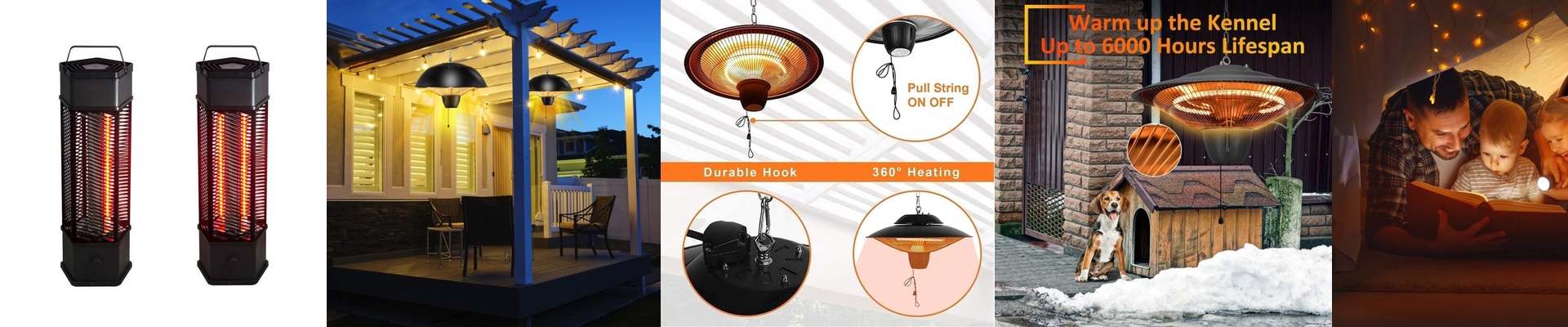
Why we put our bathroom heaters through the ringer
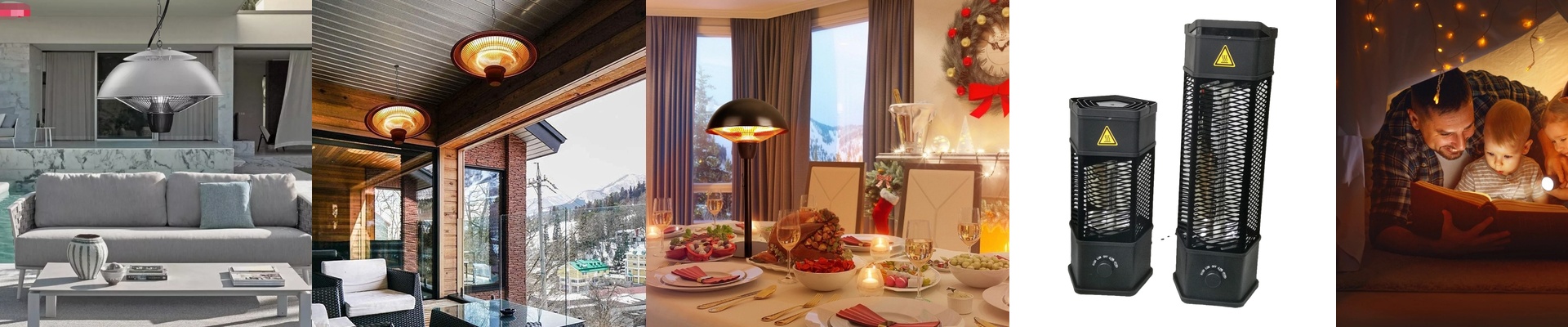
Let’s be honest: bathrooms are a nightmare for electronics. You’ve got thick steam, random splashes of water, and the temperature jumping from freezing to sauna-level in minutes. It’s a brutal environment. If you’re using an infrared heater with an IPX5 rating, that seal between the quartz tube and the housing can’t just look okay. It has to actually work when things get messy.
The “Damp-Heat” Torture Test
We don’t just hope our heaters work; we try to break them. Every batch goes through what we call damp-heat aging. Basically, we blast the units with constant heat and humidity. Why? Because we want the materials to expand and contract over and over again. It’s the only way to see if the seals are actually tight. If a gasket is a bit off or a seal is weak, moisture will find that gap. It always does. Once water sneaks in and hits the electrical contacts, you’re looking at corrosion or a short circuit. We’d rather find that failure point in our lab than have you find it in your shower. We’re looking for any signs of the plastic warping or the terminals rusting before the product ever leaves our doors.
The Balancing Act
Here’s the tricky part. IPX5 means the unit can handle water jets coming from any direction. To get that, we use really tight gaskets and sealed cable entries. But there’s a catch. If you seal a heater too tightly, you trap the heat inside. It’s like wearing a winter coat in a sauna—the internal parts will eventually just cook themselves. We spend a lot of time tweaking the airflow. We want it sealed enough to keep the water out, but breathable enough so the components don’t burn out prematurely. It’s a delicate balance.
A few tips for installation
When you’re wiring these in, just double-check that your circuit breakers can handle the initial “inrush current.” These lamps jump to full power almost the second you flip the switch. If the wiring is too thin, you’ll get a voltage drop, and you’ll notice the heater just isn’t putting out as much warmth as it should. Also, give the unit some breathing room. Keep any flammable materials away from the wall around it so things stay safe and cool.