


Keeping Bathrooms Warm Without Blinding Everyone
Let’s be honest: nobody likes stepping out of a hot shower into a freezing bathroom. But when you’re designing a heater—especially one that might be used around babies or people with sensitive eyes—you can’t just crank up the heat and call it a day. You have to think about the light.
Taming the glare
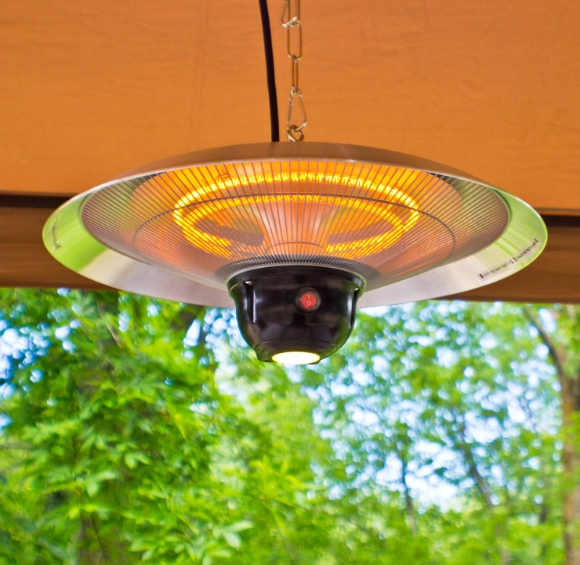
Most basic infrared lamps are basically heat cannons. They blast out everything—visible light, short-wave radiation, the works. It’s effective, sure, but it’s harsh. It creates that annoying glare that makes you squint and can actually stress out your retinas. We handle this by tweaking the emission curve. We use internal coatings or specific doped quartz glass to filter out those sharp blue-light peaks. The result? A “soft” glow. You still feel that cozy warmth on your skin, but your eyes aren’t taking a beating. It feels natural, not like you’re standing under a stadium floodlight.
Dealing with the steam
Bathrooms are basically steam rooms. If you aren’t careful, moisture gets everywhere, and that’s when things go south. To stop the heating element from oxidizing or just burning out, we seal it inside a high-purity quartz tube. Then, we wrap the whole thing in IP-rated housings and waterproof gaskets. It’s all about those tight seals. If water hits the electrical terminals, the unit is going to trip or short out. We make sure that doesn’t happen.
The trade-off
Here is the catch: when you filter the light to make a lamp “eye-safe,” you lose a tiny bit of that raw thermal punch. You’re trading a sliver of efficiency for a lot of safety. It’s a trade we’re happy to make, but it means you need to be mindful of your power supply. Make sure it can handle the specific wattage needed to make up for that filtration. And a pro tip: use high-temperature leads for the wiring and make sure your ventilation is up to scratch so the room doesn’t get stuffy. Do that, and you’ve got a space that’s warm, safe, and actually pleasant to be in.