Stop Losing Money Every Time the Temperature Drops
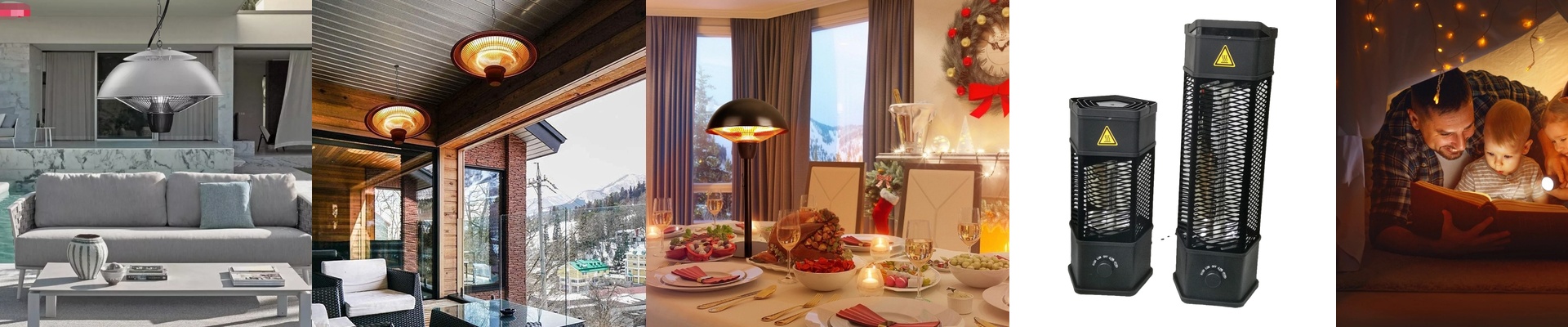
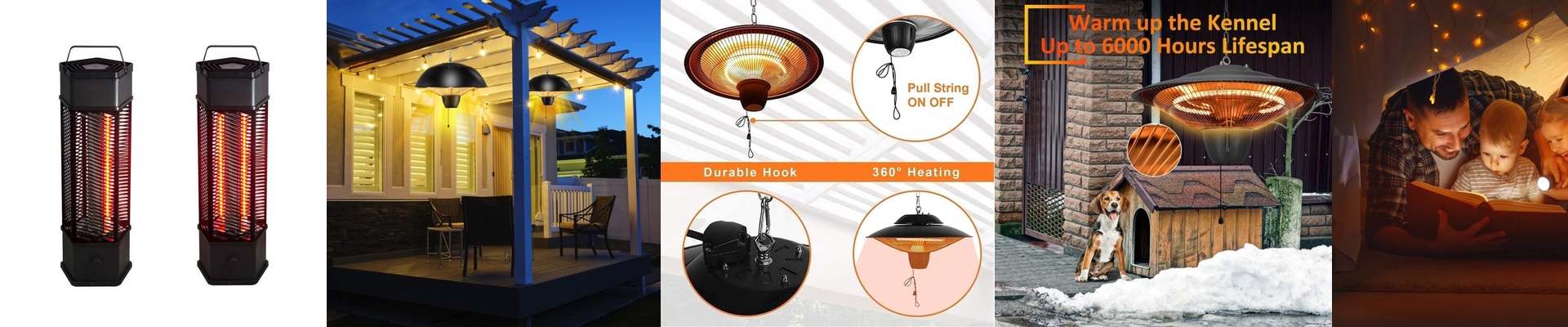
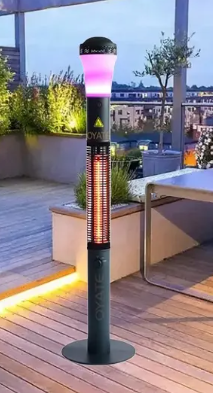
Let’s be honest: nobody wants to eat dinner while shivering. When winter hits, those outdoor tables usually just sit there, empty and useless. It’s a massive waste of space and a hit to your bottom line. We fix this with infrared heaters. Now, don’t confuse these with those loud, forced-air blowers. Those things basically try to heat the entire neighborhood, and the second a breeze kicks up, all that warmth just blows away. Infrared is different. It beams heat directly onto your guests and their chairs. It’s like having a patch of sunlight on a freezing Tuesday.
Dealing with the Elements
Outdoor gear takes a beating. Rain, sleet, humidity—it’s a mess out there. That’s why we stick to IP65-rated units. In plain English? They’re sealed tight. Dust can’t get in, and water can’t sneak into the electrical bits. If you try to save a few bucks with a non-rated heater, moisture will eventually find its way into the terminals. Then you’ve got corrosion, short circuits, and a heater that dies right when you need it most. Not a great look.
Why Shortwave Matters
We use shortwave technology because it’s fast. Really fast. The moment you flip the switch, it’s warm. There’s no “waiting for the room to heat up.” Because it doesn’t rely on the air, a chilly wind won’t ruin the vibe for your guests. They just feel that immediate glow, and they stay happy.
The Bottom Line (and the Power Bill)
If you want to keep tables turning, you need the right setup. We usually aim for one lamp every 2 to 3 meters. When people are warm, they linger. They order that extra round of drinks or a dessert they weren’t planning on. And because the heat is instant, you can seat a new party the second the table is cleared without them complaining about the draft. One heads-up, though: these lamps pull a lot of power. You’ll want to double-check your outdoor electrical panels. If they aren’t spec’d for the load, you’re going to be tripping breakers during your busiest winter shifts. We always recommend heavy-gauge cabling too. It stops the voltage from dropping off over those long runs to the patio, keeping the heat consistent from the first table to the last.