Fixing Those Annoying Dead Zones in Glass Annealing
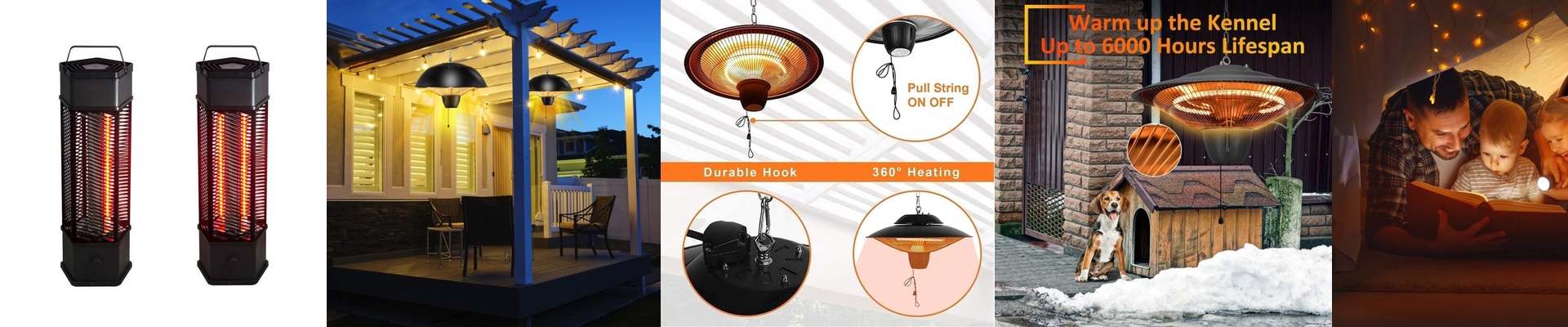
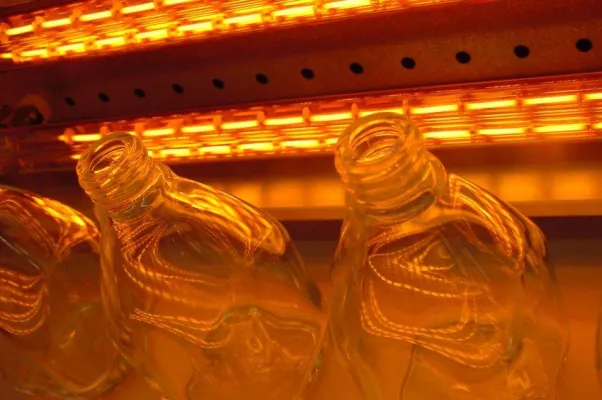
If you’ve spent any time with annealing kilns, you know the frustration of “dead zones.” You’re heating up a piece of glassware with a tricky shape, and despite your best efforts, some spots just aren’t getting enough heat. The result? Uneven stress. And we all know where that leads—a cracked piece of glass and a lot of wasted time. Standard infrared lamps usually leave these gaps. To fix it, we started using gold-coated shortwave infrared emitters.
Why the gold actually matters
Standard quartz lamps are okay, but they’re a bit scatterbrained. A lot of that heat just vanishes into the air or bounces off the walls of the kiln. By adding a thin layer of gold to the quartz, we change the game. The gold acts like a mirror for the heat, pushing it back toward the filament and cranking up the internal temperature. What this means for you is a much more focused beam. The heat actually punches through those thick walls of complex glass shapes instead of just skimming the surface.
Dealing with weird shapes
You can’t just point one heater at a complex vessel and hope for the best. You need to surround it. Because gold-coated lamps pack so much more heat into a smaller space, we can fit them into tight arrays. We set them up in staggered patterns that basically wrap around the glass. It lets us hit those “shadow areas” that usually stay cold.
The catch (because there’s always one)
Here’s the thing: these emitters put out a massive amount of heat, and they run hot. If you’re cramming high wattage into a small space, you have to make sure your cooling system can actually keep up. If you don’t, you’ll burn out the ends of the lamps. Also, keep an eye on your power supply. These high-density emitters are a bit more sensitive than your basic bulbs; a sudden voltage spike can kill them pretty quickly. We’ve designed these to be a simple drop-in replacement for your current lines. It’s a straightforward way to tighten up your temperature tolerances and stop the cracking.