Why You Need a Waterproof Infrared Heater in Your Shower
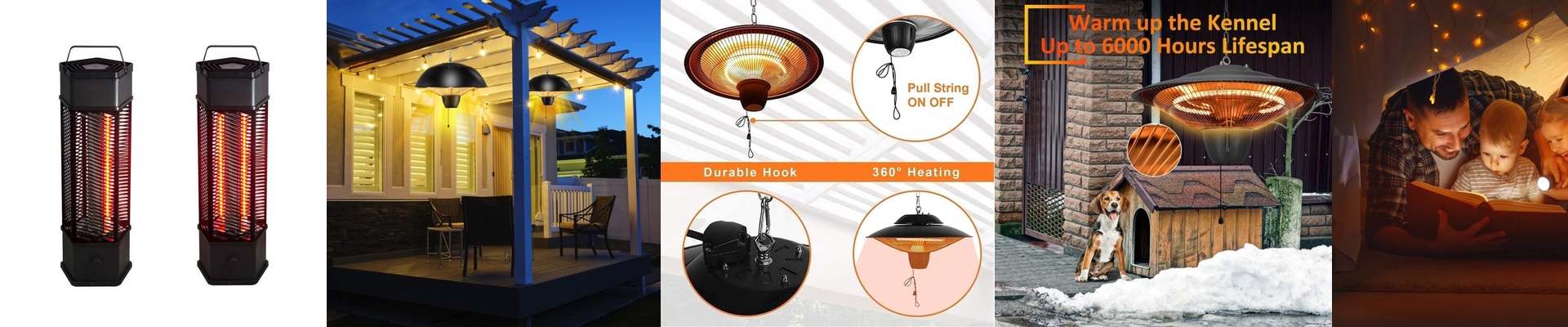
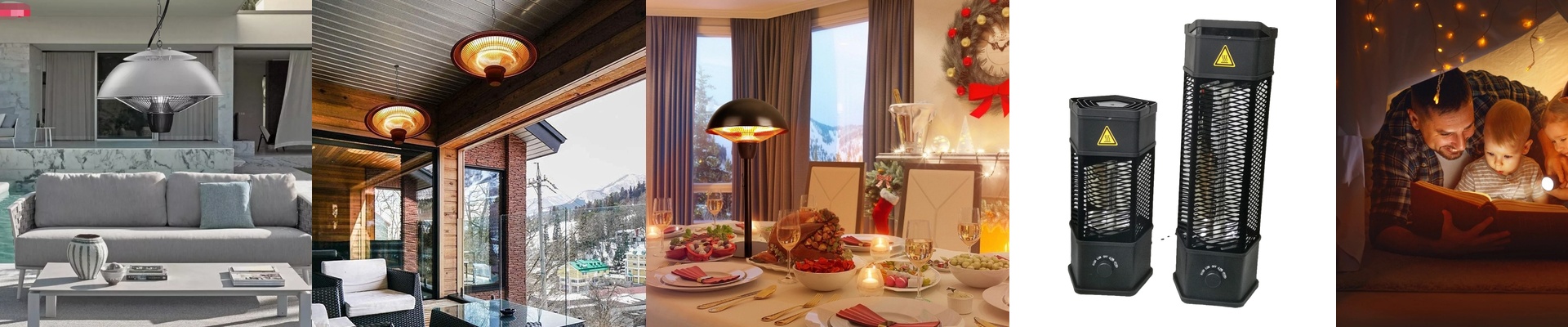
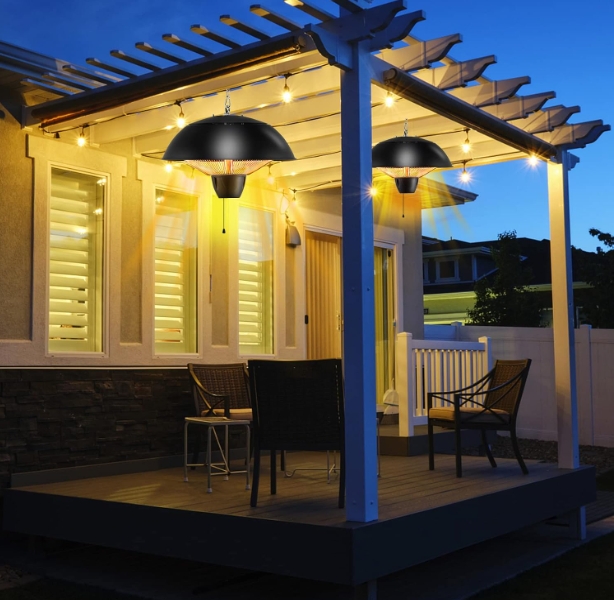
Let’s be honest: most bathroom heaters are pretty basic. You’ve probably seen those old quartz lamps that barely have any protection. The problem is that a modern shower is basically a steam room. All that humidity just eats away at standard electrical parts until they quit on you. The deal with those “IP ratings” You’ve probably seen “IPX4” on a box and wondered if it actually matters. It does. Most cheap heaters fail at the seams. Moisture creeps into the housing, hits a connection point, and—pop—you’ve got a short circuit or a burnt-out filament. High-waterproof units use sealed gaskets and tight enclosures to keep the water out. It means your breaker won’t trip the second you turn on the shower. It just works. Stop trying to heat the air Here is the thing about traditional heaters: they try to warm up the air in the room. But in a bathroom? That’s a waste of money. The moment you open the door to leave, all that warmth vanishes. Infrared is different. It doesn’t bother with the air; it sends heat directly to your skin and the walls. It’s like stepping into a patch of sunlight on a cold day. You feel it immediately. A few things to keep in mind for installation These are usually built for the ceiling to save space. We use high-grade reflectors to push that heat straight down onto you. But a quick heads-up on the wiring: these units pull a lot of power to get hot quickly. You can’t just slap them onto any old wire. If your wiring gauge is too thin, you’ll get a voltage drop, and the heater will never actually reach the temperature it’s supposed to. It’s worth getting the wiring right the first time. One last tip—watch your height. These things put out a lot of concentrated heat. If you mount the unit too low, it’s going to feel like you’re standing under a heat lamp at a buffet. Give yourself some breathing room so the heat has space to spread out before it hits you.