Why We Use Explosion-Proof Quartz for Bathroom Heaters
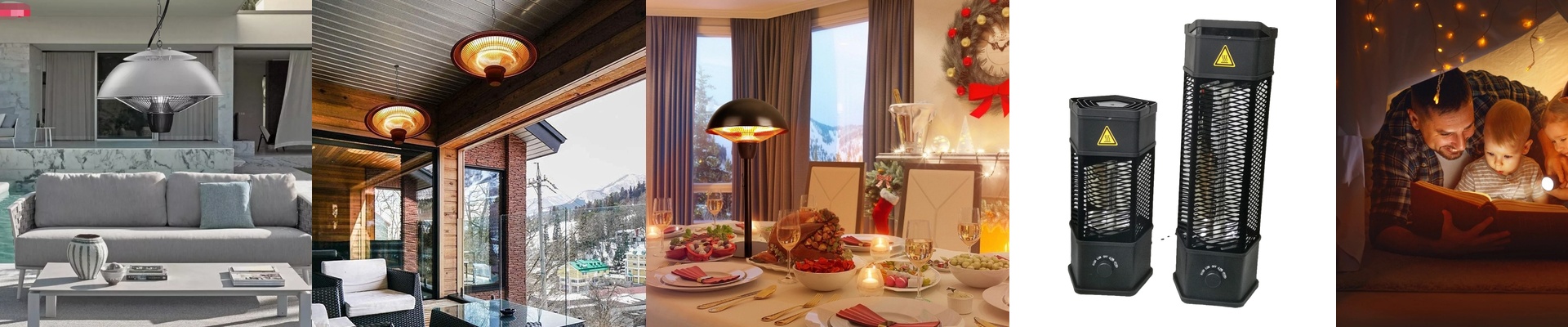
When you’re picking out a ceiling heater for a bathroom, you probably aren’t thinking about the glass tubes inside. You’re thinking about not freezing your toes off the second you step out of the shower. But for us, the material of that tube is everything. It all comes down to one thing: thermal shock. Think about it. You’ve got a heating element glowing at 600°C. Then, a stray droplet of cold water or a cloud of steam hits it. That instant temperature drop creates a massive amount of stress on the glass. If you use a basic quartz tube, it’ll just snap. That’s why we go with “explosion-proof” quartz. Now, don’t let the name freak you out—it’s not going to blow up like a movie bomb. It just means the glass is treated to handle those wild temperature swings. And if the worst happens and the tube does break, it crumbles into tiny, dull fragments instead of sending dangerous shards flying across your bathroom. We use high-purity synthetic quartz because it’s great at letting short-wave infrared radiation pass right through. Instead of wasting energy heating up the air in the room, the heat hits you directly. It feels like standing in a patch of sunlight on a winter day. One quick tip on the hardware: make sure your housing can actually handle the wattage of the lamp. If the fixture doesn’t breathe, heat traps itself in your ceiling. Over time, that can eat away at your wiring insulation, and nobody wants that. And when it comes to the actual install, please—don’t daisy-chain these heaters. They pull a lot of power the moment they kick on, and you’ll end up tripping your breakers. I always suggest using moisture-resistant connectors, too. Bathrooms are damp. Without them, your contacts can corrode, which leads to arcing and kills your tubes way faster than they should. Keep it simple, keep it safe, and you’ll have a warm bathroom for years.