Stop Losing Tables to the Winter Chill
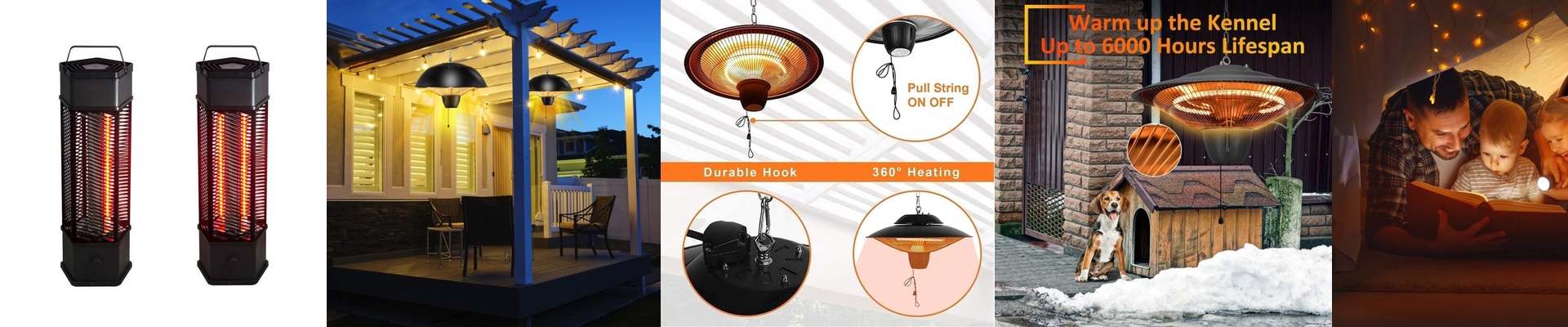
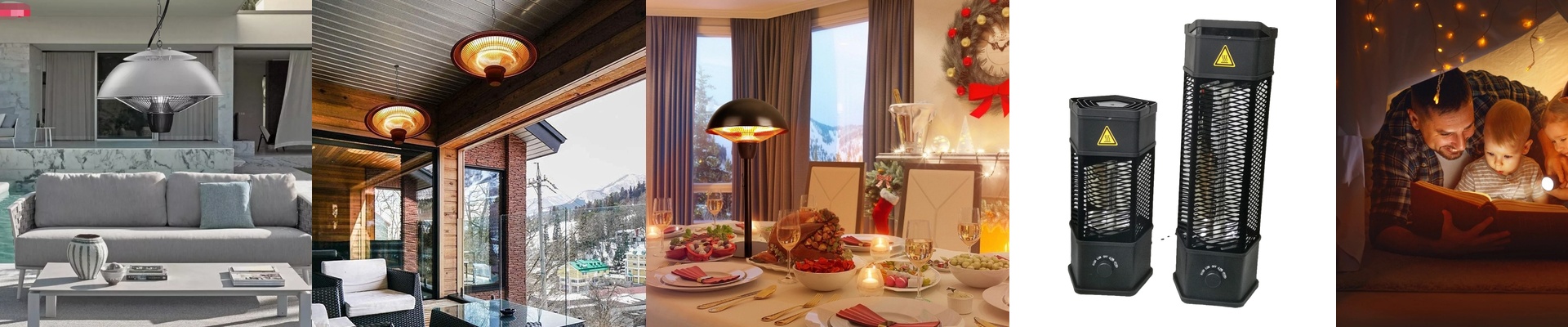
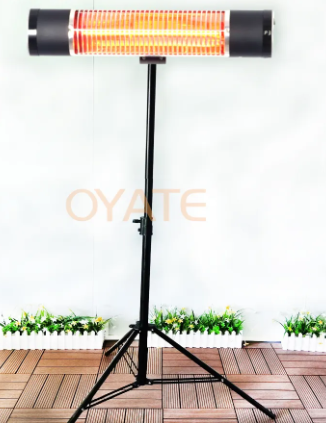
It’s frustrating. You’ve got a great outdoor space, but the second the temperature drops, those tables stay empty. Customers want to sit outside, but nobody wants to shiver through an appetizer while a cold breeze cuts right through them. That’s where shortwave infrared heaters come in. Most heaters try to warm up the air, which is a losing battle the moment the wind picks up. These units are different. They beam heat directly onto your guests’ skin and clothes. It feels like standing in the sun on a crisp October day. The wind can blow all it wants—the warmth stays put.
Why “IP55” Actually Matters
You’ll see “IP55” on the spec sheet, and while it sounds like technical jargon, it’s actually the most important part if you’re installing these outdoors. The first ‘5’ means dust isn’t getting into the electronics. The second ‘5’ means the unit can handle a spray of water from any direction. If you’re mounting these under an awning or in a spot where mist and light rain drift in, you need this. Without it, you’re just waiting for a short circuit to ruin your Friday night rush.
Keeping the Seats Full
We focus on creating “heat zones.” Instead of trying to warm up the entire sidewalk—which is a waste of money—we target the specific clusters where people actually sit. It changes the whole vibe of the patio. When guests feel that instant warmth, they settle in. They don’t rush their meals just to get back inside. They order that extra round of drinks or a dessert because they’re actually comfortable. Basically, it turns your patio from a “seasonal” area into a money-maker from November all the way through March.
A Quick Warning on Power
Here is the catch: these things are power-hungry. You can’t just plug these into a regular wall outlet and hope for the best. If your wiring isn’t up to the task, you’re going to be tripping breakers right when your restaurant is at its busiest. It’s worth having an electrician check your panel to make sure it can handle the load. We usually suggest dedicated circuits for each zone. It’s a bit more work upfront, but it beats having your lights go dark in the middle of a dinner service.