

In an attic, heat is about more than just raising the temperature. It’s about protecting what’s stored, keeping condensation at bay, and making the space usable again. When you run an infrared heater in a tight space under the roof, every wiring joint is under strain. The constant heating and cooling cycle can make ordinary connections go brittle, and that’s exactly where a lot of heaters quietly give up.
What matters under the hood
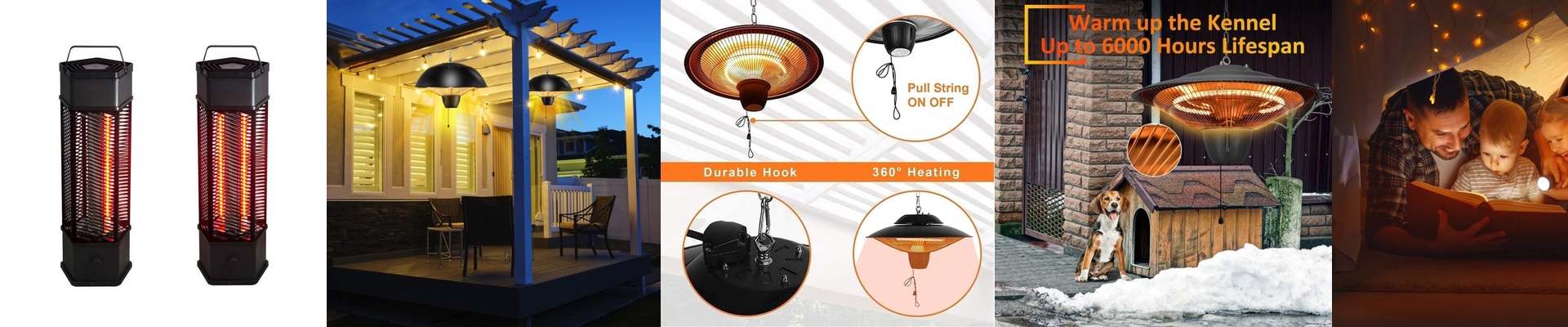
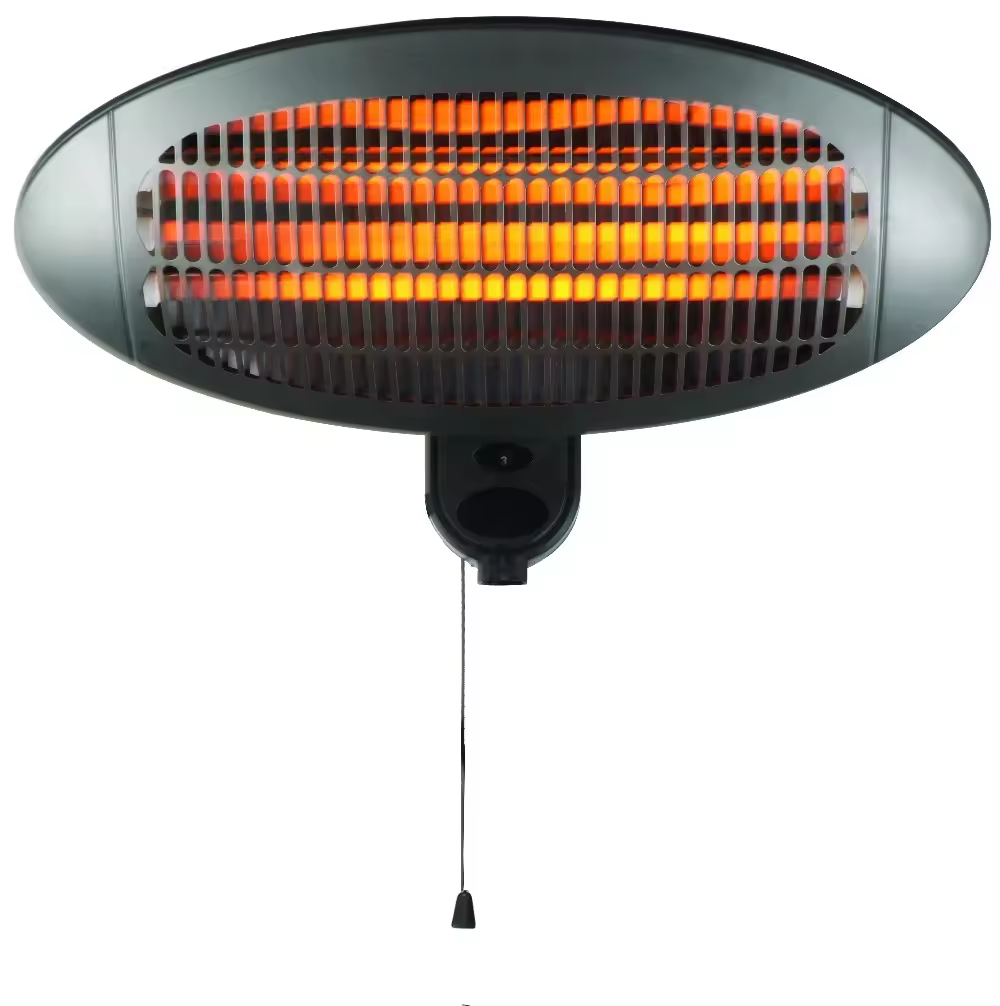
We build attic infrared heaters around radiant heat—warming people and surfaces directly—so you feel comfort faster than you do with convection-only units. The real backbone of reliability is the lead-wire sealing system. We use high-temperature rated stranded wiring, strain-relieved where it enters the unit, then seal the transition with a high-temperature, flame-retardant potting compound that fills voids and locks moisture out. This is the kind of termination you see in industrial controls, not in basic consumer assemblies. Inside, the element sits behind a stable reflector path and is backed by an over-temperature thermal cutoff. Add tip-over protection and a sealed housing that can handle dusty, drafty conditions, and you get steady heat without chasing electrical faults.
Why this approach holds up in an attic
Attics swing between hot and cold, and humidity finds a way in. That cycle wrecks flexible leads, terminal blocks, and solder joints over time. Our sealed wiring method is built to resist heat aging, absorb movement stress, and keep moisture out—three common triggers for shorts and intermittent failures. And that matters because an attic heater isn’t just about comfort. It helps protect seasonal items, lowers the risk of freezing pipes, and turns the attic into a space you can work in without layering up. When the wiring stays solid through seasonal swings, you spend less time troubleshooting and more time actually using the room.
What to keep in mind
Mount the unit where air can circulate around the housing, and respect clearances from stored boxes and insulation. Most attic infrared heaters need a dedicated outlet on a properly sized circuit, and they perform best when matched to the room volume. One practical trade-off: infrared warms people and objects quickly, but it doesn’t “re-heat” the air the way a forced-air system does. For steady comfort, size the coverage area to the heater’s output and consider adding a small fan to move warmed air if the attic is open and drafty.