Why we’re obsessed with the SK15 Ceramic Lamp Holder
Most people look at a lamp holder and see a boring, cheap piece of plastic. We see it differently. To us, it’s the one spot where your entire thermal system is most likely to crash and burn. When you’re pushing high-wattage infrared lamps, the spot where the power lead hits that quartz tube takes a beating. It’s a high-stress zone.
The problem with plastic
Here is the thing: plastic is great for a desk lamp, but it’s a nightmare for industrial heat. When that radiant heat starts creeping back toward the socket, plastic warps. It melts. It fails. That’s why we stick with high-grade ceramic for the SK15. It doesn’t care about heat spikes. It stays rigid, keeps the electricity where it belongs, and doesn’t degrade when things get scorching.
Getting the fit right
The SK15 uses a spring-loaded, push-in connection. It sounds simple, but that “snap” is everything. If the lamp pins aren’t clamped tight, you get resistance. And resistance equals heat. If that connection is even a little bit loose, your holder will burn out long before the lamp actually dies. We keep the footprint tight so your wiring doesn’t turn into a tangled mess.
A word of caution
Now, there is a trade-off. Ceramic is tough, but it’s brittle. It doesn’t flex like plastic does. If your machine frame is slightly off or you try to force a lamp in crooked, the ceramic can crack. It’s not forgiving. Just make sure your mounting brackets are squared up before you start wiring everything in.
Looking at the big picture
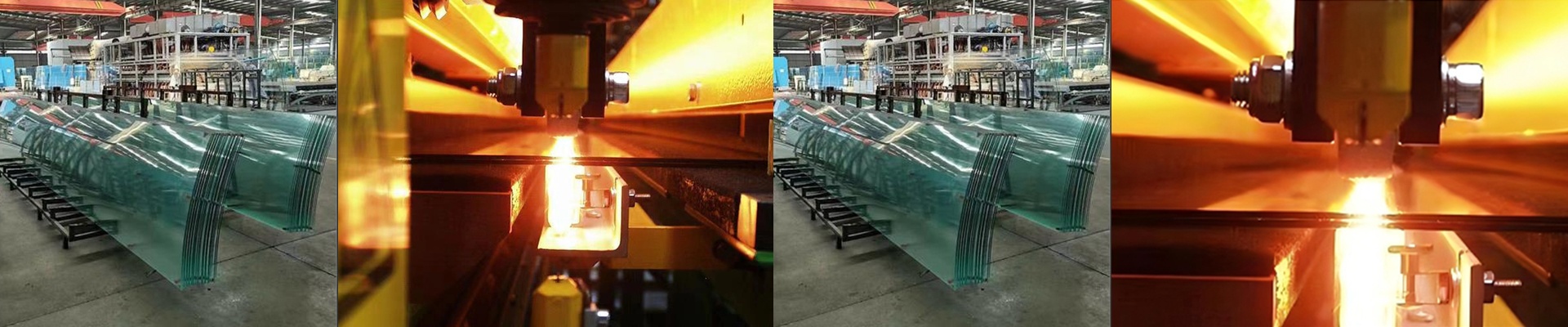
Buying an SK15 holder is the easy part. Getting it to actually work in a glass thermal system? That’s where it gets tricky. We usually prefer to come out and look at your setup in person. Why? Because the holder is just one piece of the puzzle. The gap between the lamp and your workpiece, the way air flows around the socket, the thickness of your wires—all of that determines if your system lasts a year or dies in a month. We aren’t just selling you a part. We’re looking at the whole loop.