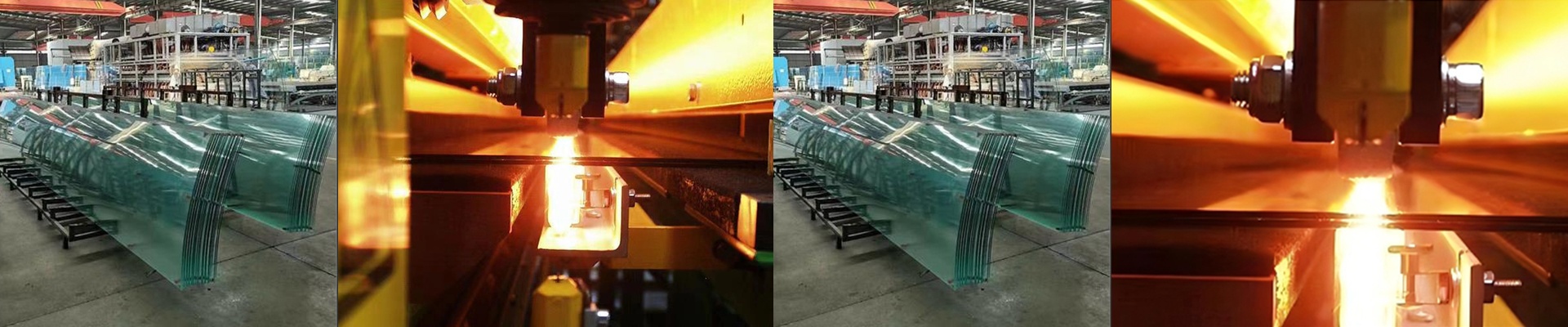

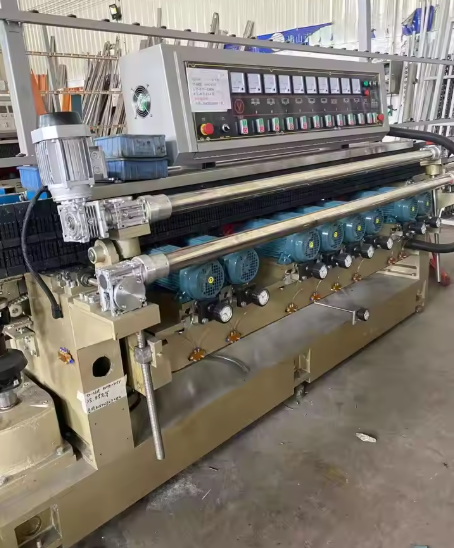
On the insulating glass line, the silicone sealant has to set fast enough to keep the line moving, yet slow enough to avoid trapped stress. Convection ovens struggle with uneven temperatures across the spacer, and the cure profile drifts with ambient conditions. Heat off, the seal fails. Heat wrong, the glass warps. What matters, technically We built this infrared silicone sealant curing module around short-wave quartz emitters for rapid response and directional radiation. The thermal field is uniform across the bond line, not across the whole chamber. Peak power is tuned to match the exotherm of silicone cure, and the control responds within seconds to hold a repeatable temperature curve. The emitter face is matched to the emissivity of the spacer and the sealant, so energy goes where it’s needed, with minimal convection losses. Why it works in glass processing On the floor, the scoreboard is yield and uptime. Directional infrared heating cuts thermal gradients that drive stress into the glass, and the fast response keeps the cure window tight from the first piece to the thousandth. Cycle time drops because the sealant hits tack-free quickly without soaking the surrounding frame. Energy use falls because the module heats on demand, not on a full-chamber profile. In high-volume insulating glass production, that means fewer rejects and consistent seal integrity. Here is what you need to watch Infrared curing is line-of-sight. Shadowing from spacer geometry can create cooler zones, so we recommend a fixture review and an emitter layout that fully covers edges and corners. The module drops into most existing frames, but you must maintain clearance around the emitter and reflectors to avoid overheating nearby components. Plan a short training session to set the cure curve for your specific silicone formulation and glass thickness.