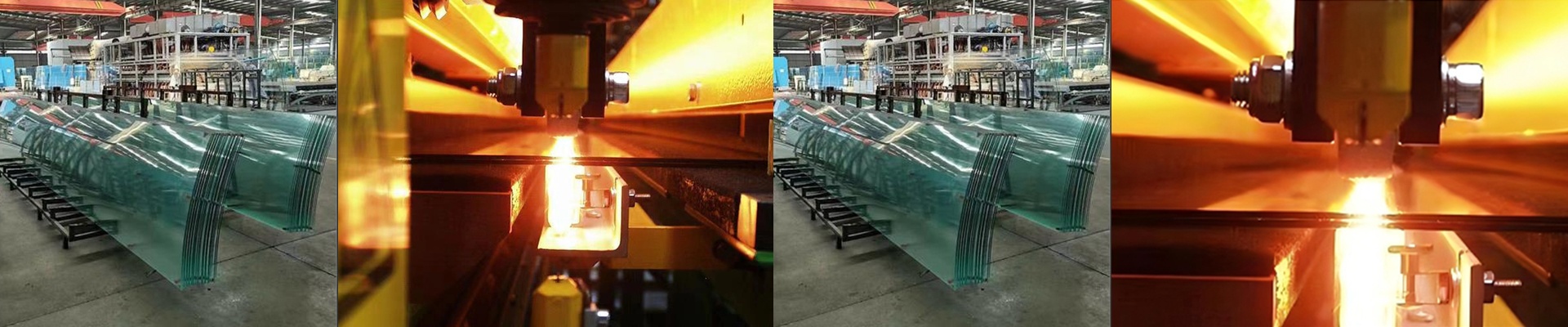


Cutting through ultra-thick glass is a nightmare for your equipment. The friction is brutal. If you try to score a cold, thick slab, your diamond wheel is going to take a beating, wearing down way faster than it should. You end up with jagged, ugly edges and tools that just give up on you. We found a way around this using shortwave infrared (IR) lamps. Basically, we soften the glass right where the cut happens. Here is the trick: standard heaters only warm up the surface. That doesn’t help when you’re dealing with a thick slab. But shortwave IR actually sinks deep into the glass. Instead of just heating the “skin,” it reaches inside and lowers the viscosity. It makes the glass feel “softer.” The wheel bites in easier, and the physical struggle between the tool and the material just disappears. To make this work, we use high-power quartz-halogen lamps. They’re fast. They hit the right temperature in seconds, which is the only way to keep up with a moving cutting head. We mount them on the cutting bridge so the heat stays in a narrow strip. The rest of the plate stays cool and stable, but the path right in front of the wheel is primed and ready. The payoff is huge. Your cutter wheels last much longer, and you don’t have to deal with those random, spontaneous cracks that ruin a whole piece of work. But it’s not a “set it and forget it” kind of deal. You have to be careful. If you crank the heat too high, you’ll create too much thermal stress, and the glass might just shatter after the cut. It’s all about finding that sweet spot between your wattage and how fast you’re feeding the glass. Also, don’t forget your cooling system. Those lamps put out a lot of heat, and if you don’t manage the soak around the housing, you’ll fry your electronics.