Stop Fighting Bathroom Mold with a Better Kind of Heat
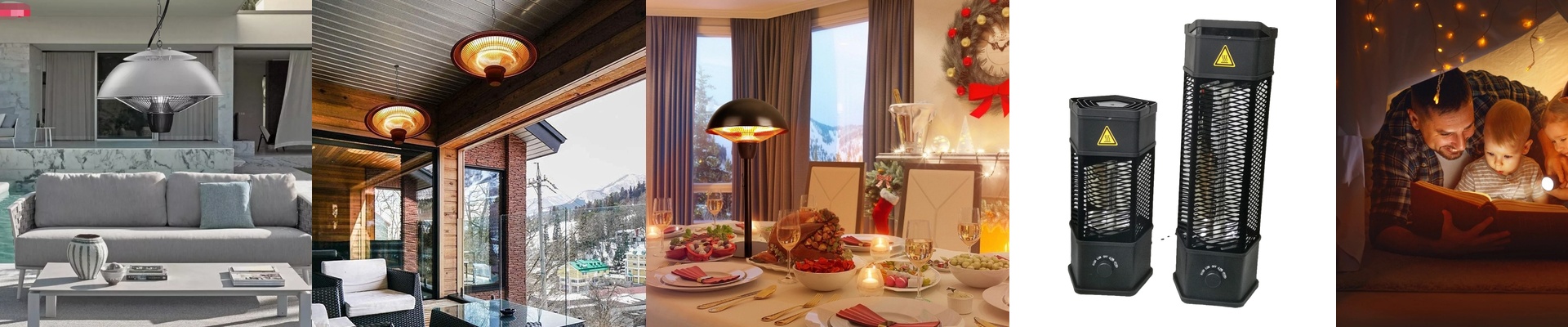
Most people think of bathroom heat lamps as just a way to stop shivering when you step out of the shower. But if you look under the hood, there’s some pretty cool science happening. We didn’t just build these to make you feel warm; we designed them to act like a shield against mold. Here is how it actually works. You know how regular heaters just warm up the air? That’s the problem. The air gets warm, but your tiles stay freezing, and that’s exactly how you get condensation. It’s a recipe for mildew. Our lamps do things differently. They use short-wave infrared radiation that goes straight through the air and hits the wall or ceiling. The moment that energy touches the surface, it turns into heat. By keeping your walls warm, the water simply can’t cling to them. No liquid water means mold spores have nowhere to land and grow. And it’s not just about the heat. We’ve tuned the light frequency to be a bit of a nightmare for fungi. While the heat dries the room out, the specific light waves actually mess with the biological stability of common bathroom mold. It’s basically a hands-off way to dehumidify. You don’t need a loud, clunky fan blowing air around—you’re just stripping the moisture’s ability to stick to your walls. But, there is a catch:placement is everything. If you slap these in the ceiling at a random angle or mount them too high, you’ll end up with “cold spots.” Those are the little pockets where moisture still pools, and that’s where the mold will sneak back in. You want a clear line of sight from the lamp to the high-risk areas, like the corners and the joints where the wall meets the ceiling. One last thing before you install them. These lamps pull a decent amount of power. Make sure your bathroom wiring can actually handle the load, especially in the dead of winter. If your wires are too thin, you’ll deal with voltage drops. That doesn’t just trip your breakers—it actually kills the lamp’s efficiency, meaning you lose that mold-fighting magic.