


Keeping Your Bathroom Infrared Heaters from Blowing Up
Putting a heating lamp in a shower is a bit of a gamble. You’ve got high humidity and random water splashes hitting a scorching hot element. If you use a standard quartz tube, it’s going to die—fast. To actually make this work, you need two things: an IP65 rating and explosion-proof glass. Without them, you’re basically asking for a short circuit or a mess of shattered glass on your bathroom floor.
Why “Explosion-Proof” Actually Matters
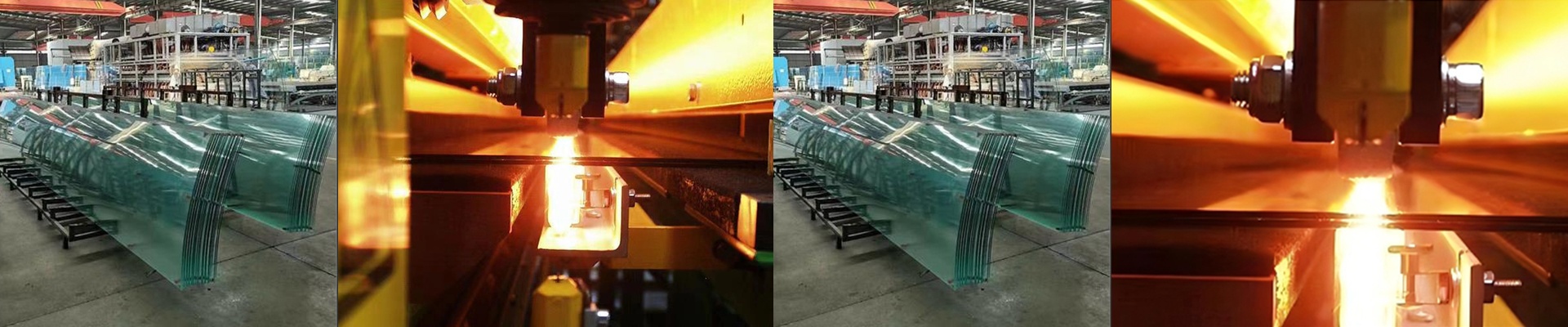
Think about it. You’ve got a lamp that’s blazing hot, and suddenly a spray of cold water hits it. That kind of thermal shock makes normal glass snap instantly. That’s why we use specialized quartz. It’s built to handle that stress. But more importantly, if the seal ever does give out, this glass is designed to hold it together rather than exploding into a thousand shards. It’s the safety net you hope you never have to use.
Stopping the Leaks (The IP65 Stuff)
An IP65 rating is just a fancy way of saying the fixture is tight enough to keep out dust and water jets. The real danger is where the wires enter the tube. If those connections aren’t sealed tight, moisture creeps in, the metal oxidizes, and the terminals just burn out. We fix this with reinforced housings and high-temp silicone gaskets. It keeps the water where it belongs—away from the electricity.
The Heat Balance
High-wattage lamps feel great because they heat up instantly. But they also create a massive temperature difference between the bulb and the fixture. Here’s the catch: if you put a powerhouse lamp in a tiny housing, you’ll actually melt or warp the plastic and metal mounts. It’s a bit of a balancing act. You want to match the wattage to the size of the room so you aren’t accidentally cooking your own seals.
Getting It Installed
Most of these are simple drop-in replacements. Just do yourself a favor and double-check that your wiring can handle the power draw. And one last tip: if you’re swapping an old element for a new IP65 version, check your gaskets first. There’s no point in putting a high-end lamp into a leaky housing. It’s just a waste of time.