
Global Voltage Adaptability: Engineering the Batch Furnace Infrared Heating Element
Let’s get real. Out there in the real world, no two plant electrical systems are exactly alike. One minute you’re on 110V, the next you’re on 480V or 575V. So, we built our batch furnace infrared heating elements to just… work. Plug them in, and they deliver, no matter what voltage your line is running on. No fuss, no compromise.
The Power, Voltage, and Size Breakdown
Here’s the thing: if your equipment is going to be shipped around the globe, voltage flexibility isn’t a nice-to-have. It’s a must-have. We dial in the element’s resistance and wattage to perfectly match the supply voltage. For example, a 575V element pulls less current than a 110V one of the same power. That’s a huge deal. It eases the strain on your wiring and contactors—a major relief, especially in a high-power batch furnace. And the size? It matters. We make sure the tube length and focal distance are spot-on for the furnace chamber. The payoff is even heat, across the entire batch.
The Secret to a Rock-Solid Design
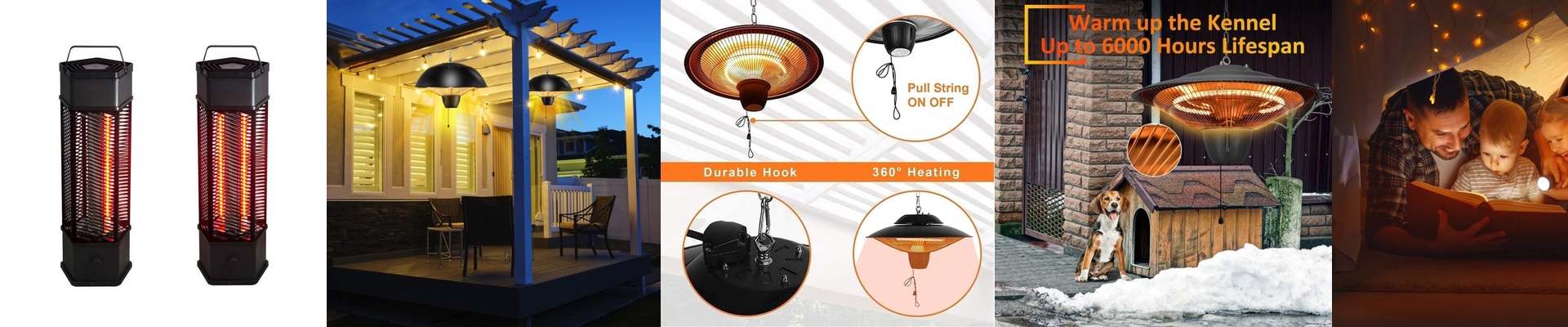
At the heart of it is a quartz tube, housing a high-performance filament. We chose quartz because it can take the heat—and the shock—without breaking a sweat. It holds its own, even at scorching temperatures. Then, we add a special reflective coating to the tube. It directs all that infrared energy where it needs to go: down and out. More heat on the target, less wasted. And the connectors? They’re built for the grind. An R7s or Sk15 connection is tough as nails, giving you a stable, low-resistance contact that won’t burn out, even with all the vibration and temperature swings inside a furnace.
What It Means for Your Work
In a batch furnace, this setup means you get fast, focused heating. The infrared energy cuts right through and heats the product directly, not the air around it. The result? Shorter cycle times and better energy efficiency. And with the global voltage capability, you can use the same furnace design in plants all over the world. Now, there is a trade-off. The higher-voltage elements pack more heat density, which means you’ll need a more robust cooling system to keep the furnace ambient temperature in check. We give you the power. You just have to make sure the cooling matches.