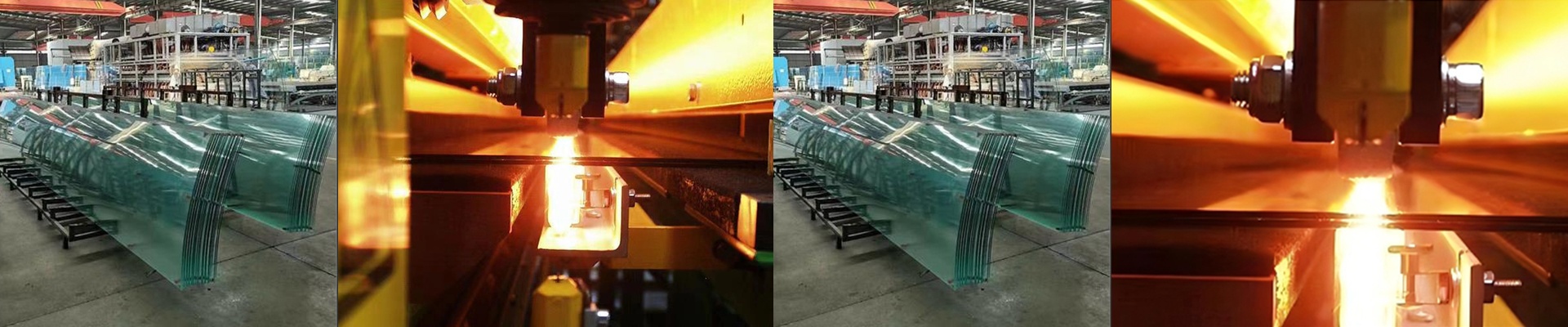
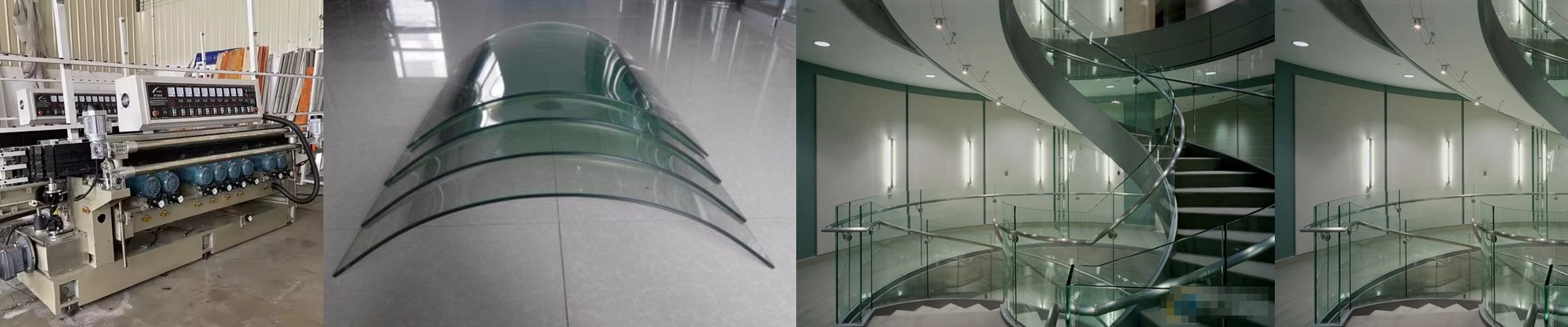
On the glass line, that hairline crack after scoring isn’t bad luck. It’s thermal stress you don’t see until it eats your yield. When you cut thick glass or coated stacks with uneven heat, the edge goes brittle and the whole sheet ends up in the scrap bin. You have to keep the temperature gradient tight so the score line breaks clean—no propagating fractures.
What matters, technically
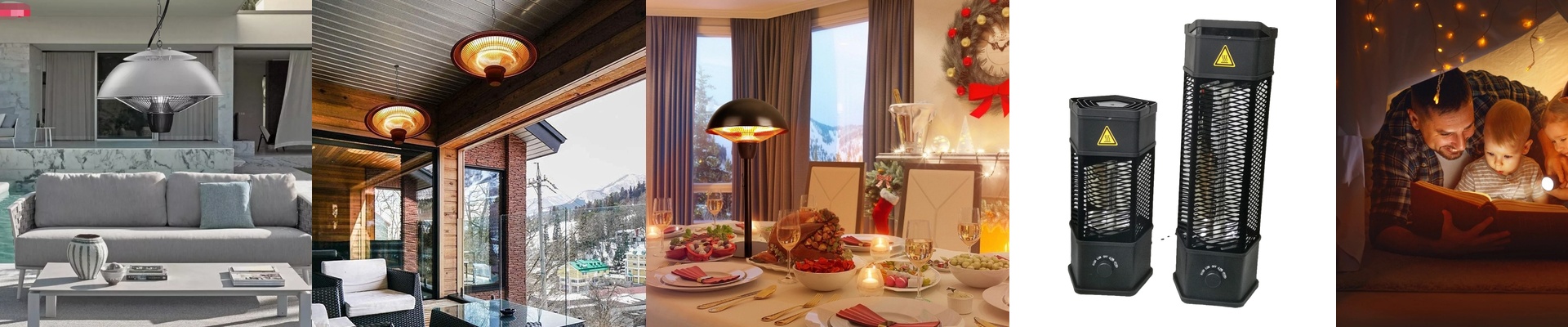
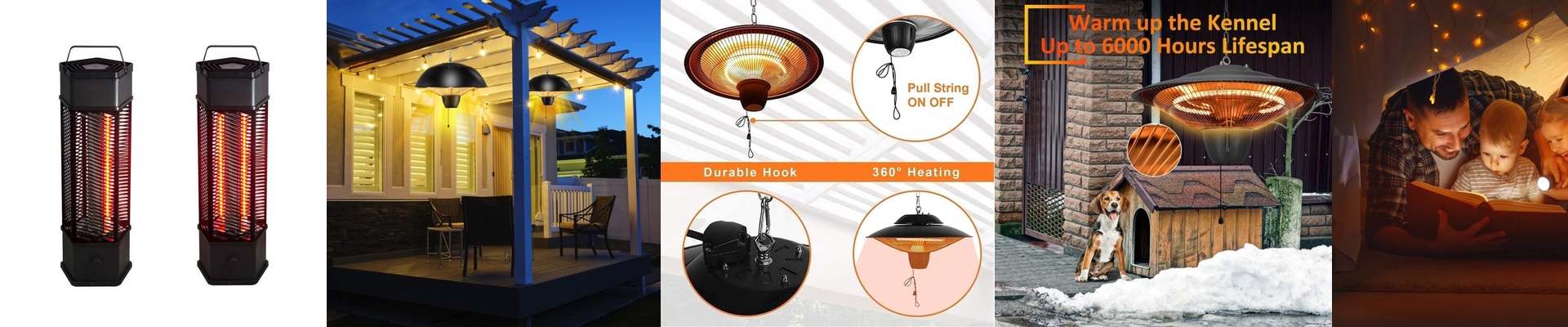
We set the heating module up with short-wave quartz emitters because they respond fast and hold control. They run at 1.5–3.0 kW/m² with a 1:1 power-to-area ratio, so the thermal field follows the score line geometry instead of washing over it. Temperature repeats within ±2°C at the glass surface, and the zone hits operating point in under 12 seconds. It’s not about throwing power at the glass; it’s about matching emissivity and limiting convection drift so the heat lands exactly where and when you need it.
Why it holds up in production
In real runs, that control cuts down rejects from micro-fractures and edge chipping—especially on tempered, coated, or laminated stacks. The cycle is short and the profile stays stable, so throughput keeps moving without waiting around for the glass to equalize. Energy use drops because the module heats on demand and idles clean. You get fewer unplanned stops, and cut quality stays repeatable shift after shift.
Things to keep straight
The module retrofits onto most cutting tables, but clearance around the score head matters. Keep the emitter window clean and double-check alignment—even a small offset spreads the thermal field and invites stress. With very low-emissivity coatings, dial the power density carefully to avoid overshoot. And control ambient dust; quartz does the work, but particulates on the envelope will throw off the profile.
บนสายการผลิตกระจก รอยแตกร้าวเส้นเล็ก ๆ หลังจากการทำคะแนนไม่ใช่เรื่องโชคร้าย แต่มันคือความเครียดทางความร้อนที่คุณมองไม่เห็นจนทำให้ผลผลิตเสีย เมื่อคุณตัดกระจกหนาหรือกระจกที่เคลือบหลายชั้นด้วยความร้อนที่ไม่สม่ำเสมอ ขอบจะเปราะและแผ่นกระจกทั้งหมดจะกลายเป็นเศษงาน คุณต้องควบคุมความชันของอุณหภูมิให้เข้มงวด เพื่อให้เส้นคะแนนแตกอย่างสะอาด—ไม่มีรอยแตกที่ขยายตัวออกไป
สิ่งที่สำคัญในเชิงเทคนิค
เราเซ็ตโมดูลทำความร้อนด้วยเครื่องปล่อยคลื่นควอตซ์สั้นเพราะตอบสนองรวดเร็วและควบคุมได้ดี ให้กำลังไฟที่ 1.5–3.0 kW/m² พร้อมอัตราส่วนกำลังไฟต่อพื้นที่ 1:1 เพื่อให้สนามความร้อนตามรูปร่างเส้นคะแนนแทนที่จะกระจายเกินไป อุณหภูมิซ้ำภายใน ±2°C ที่ผิวกระจก และโซนความร้อนถึงจุดทำงานภายในไม่เกิน 12 วินาที ไม่ใช่แค่การใส่พลังงานลงไปที่กระจก แต่เป็นการจับคู่อัตราการแผ่รังสีและจำกัดการไหลของความร้อนด้วยการพาความร้อนเพื่อให้ความร้อนตกลงในตำแหน่งและเวลาที่ต้องการอย่างแม่นยำ
ทำไมจึงคงทนในกระบวนการผลิต
ในการทำงานจริง การควบคุมนี้ช่วยลดการตีกลับจากรอยแตกจิ๋วและการแตกมุม โดยเฉพาะกับกระจกที่ผ่านการเทมเปอร์ เคลือบ หรือหลายชั้น วงจรการทำงานสั้นและความเสถียรของรูปโปรไฟล์ช่วยให้ปริมาณงานไหลต่อเนื่องโดยไม่ต้องรอกระจกให้เกิดความสมดุล การใช้พลังงานลดลงเพราะโมดูลทำความร้อนตามความต้องการและว่างงานแบบสะอาด ทำให้หยุดงานโดยไม่คาดคิดน้อยลง และคุณภาพการตัดยังคงซ้ำได้ตลอดกะ
สิ่งที่ต้องระวังให้ถูกต้อง
โมดูลนี้ติดตั้งเพิ่มเติมกับโต๊ะตัดส่วนใหญ่ได้ แต่ต้องมีระยะว่างรอบหัวคะแนนที่เหมาะสม รักษาความสะอาดของหน้าต่างเครื่องปล่อยแสงควอตซ์และตรวจสอบการจัดแนวให้แน่นอน แม้การเลื่อนตำแหน่งเล็กน้อยก็จะทำให้สนามความร้อนขยายและก่อให้เกิดความเครียดได้ กับกระจกที่มีการเคลือบอัตราการแผ่รังสีต่ำมาก ต้องปรับความหนาแน่นพลังงานอย่างระมัดระวังเพื่อหลีกเลี่ยงการเกินเป้า และควบคุมฝุ่นในสภาพแวดล้อมโดยรอบ เพราะควอตซ์ทำงานได้ดี แต่ฝุ่นละอองบนซองห่อจะทำลายโปรไฟล์ความร้อนได้จริง