
Role
あなたは工業製造および電気機械工学に精通したプロのネイティブローカリゼーション翻訳者です。
Task
提供された工業技術記事を最高レベルの専門的正確さで日本語に翻訳してください。
Input Text
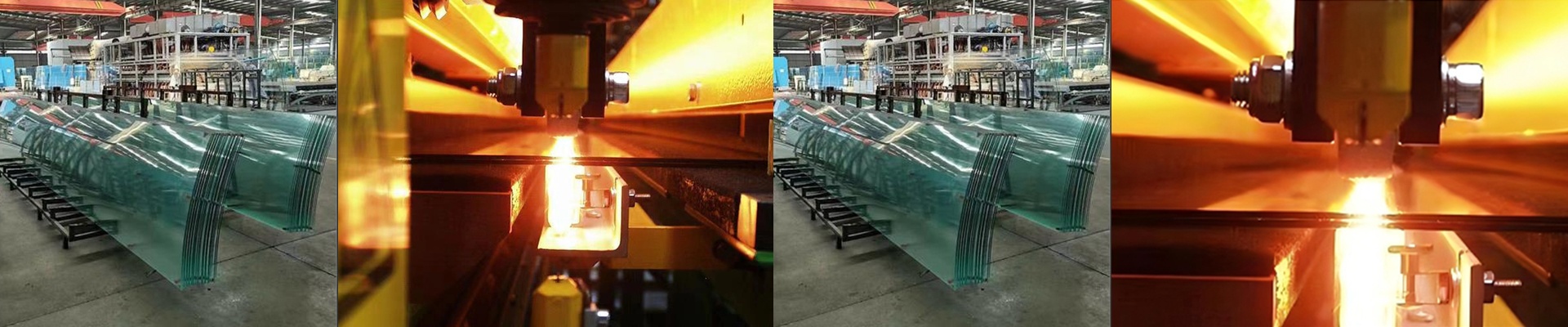
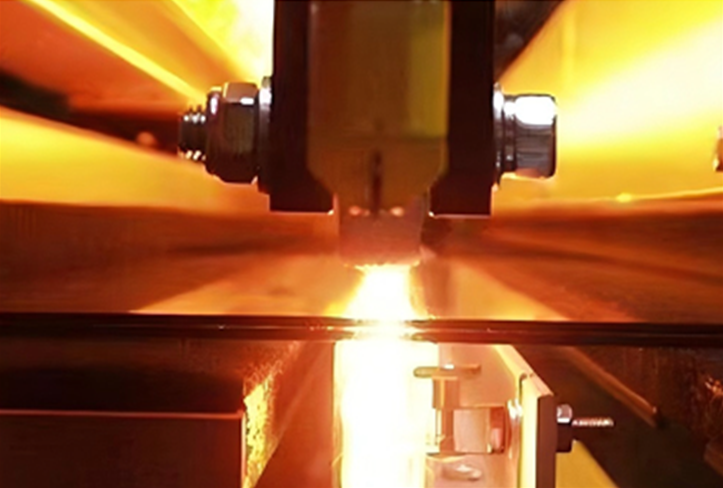
On the train window line, annealing isn’t some soft finishing touch—it’s the control point that keeps latent fractures from sneaking in and keeps the schedule honest. When the heating module flags, you get uneven temperature bands, more thermal stress, and glass that falls apart at inspection after forming. That translates straight to scrap, rework, and a line that can’t keep pace. What matters, technically We lean on quartz short-wave infrared for annealing because it snaps to the setpoint and holds the thermal profile tight. The radiant output hits glass emissivity head-on, heating the surface fast without dumping excess heat into the furnace walls. Power density and lamp geometry are matched to the annealing lehr width, so coverage is even and cold spots are minimized. PID control keeps the response quick enough to track line speed without drifting outside the setpoint band. And here’s why it fits train window glass. You need consistent annealing to relax forming stresses and lock in dimensions. With this heating approach, you can shorten the annealing segment while keeping the cooling ramp disciplined—cycle time comes down without pushing breakage risk higher. Energy use drops because the heat is applied on-demand, not held in a heavy thermal mass. The upshot: more good panes per hour, fewer rejects tied to stress fractures, and output dispatch can actually count on. Installation is straightforward, but the lehr has to deliver clean power and stable voltage. Voltage swings will push output variation and chew lamp life. We supply drop-in replacements sized to common OEM lehr footprints, with connector options that make it a direct swap. For glass machinery brands, we provide an adapter kit so mounting and alignment stay intact—no cutting, no re-engineering. Plan a short line stop for commissioning and thermal mapping, then run the same schedule with tighter control.
Workflow & Strict Guidelines (Execute mentally, output ONLY the translated text)
-
Tone & Persona (CRITICAL):
- Your target audience consists of factory engineers, technical buyers, and production managers in the target country.
- The tone must remain strictly objective, rigorous, factual, and direct.
- ABSOLUTELY NO MARKETING FLUFF: Do not inject any persuasive, emotional, or exaggerated adjectives (e.g., perfect, ultimate, revolutionary, best) into the translation. Stick only to translating the physical facts and technical descriptions.
-
Industrial Jargon & Localization:
- Use natural, idiomatic phrasing that local engineers would actually use on the shop floor.
- Ensure a fluid translation that conveys the exact meaning. Do NOT use rigid, word-for-word machine translation.
-
Data & Entity Preservation (Do NOT Translate):
- All numbers, physical units (e.g., W, V, mm, ℃, Hours), and specific model codes/SKUs (e.g., R7s, SK15, IR, PET) must be kept exactly as they are in the source text.
- Do NOT convert measurement units (e.g., do not change mm to inches).
- Keep brand names or designated English proper nouns in English.
-
Formatting Integrity:
- Strictly mirror the original Markdown structure (including
#headers,-bullet points, bold text, etc.). - Ensure you apply the correct punctuation and spacing rules specific to Japanese (e.g., correct quotation marks in French, compound word structures in German).
- Strictly mirror the original Markdown structure (including
Output format
Output the final translated text in Japanese directly. Do NOT include any introductory, explanatory, or conversational text. Do NOT wrap the output in Markdown code blocks (like ```).